
5 reasons to stay out of the water after a flood
Beyond the sewer leak, health experts say there are several good reasons to avoid the river right now
As UGRA and the City of Kerrville urge residents to stay out of Town Creek and the Guadalupe River following this week’s sanitary sewer overflow, public health experts say the advisory reflects real, well-documented risks that go beyond any single incident.
1. Contamination you can’t see
Floodwater routinely carries sewage, bacteria, chemicals and other contaminants — and there’s often no way to know exactly what’s in the water at any given moment, according to state emergency management guidance. Even brief skin contact usually isn’t a major problem, but any cut or scrape becomes a direct entry point for harmful bacteria and viruses.
2. Disease risk from waste
Both human and animal waste can be present in post-flood waterways, according to the CDC. Contact — especially swallowing contaminated water — can cause diarrheal illness, including E. coli or salmonella infections. Health officials recommend washing hands thoroughly after any contact with floodwater and keeping children from playing in or near it entirely.
3. Hazards you can’t see coming
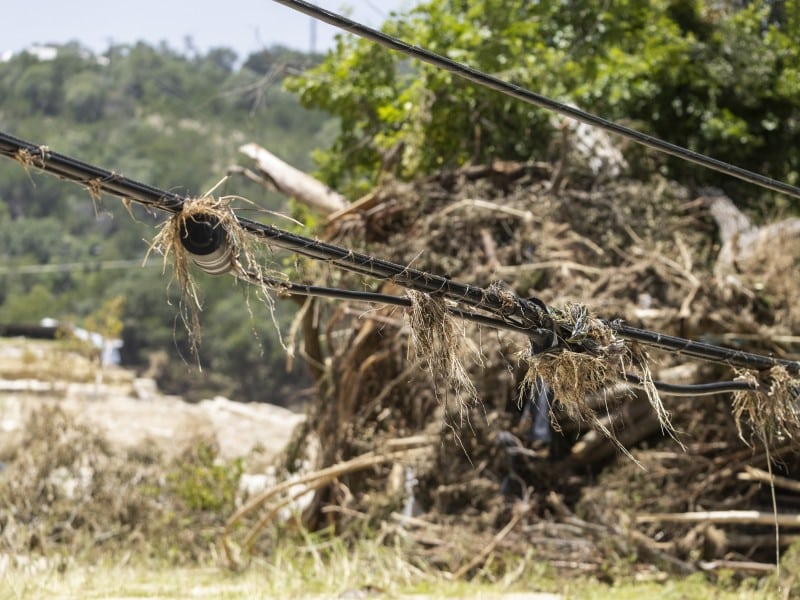
Lumber, vehicles, glass and other debris get swept into moving water and can remain hidden beneath the surface long after a flood’s peak has passed, according to Johns Hopkins researchers. Downed power lines pose a electrocution risk, and even dead or displaced wildlife carried by floodwater can pose a bite or disease risk.
4. It doesn’t take much water to be dangerous
According to NOAA, just six inches of fast-moving water can knock over an adult, and one to two feet can carry away most vehicles. The CDC reports that most flood deaths occur when someone drives into hazardous floodwater — but drowning is also the leading cause of death during flash floods generally, even in water that looks shallow or calm.
5. Contamination can linger for months
It can take weeks or months for microbes in flood-contaminated soil and water to naturally die off, according to the CDC. That’s part of why public health officials are often cautious about declaring an area fully safe even after visible floodwater recedes — the ground and water may still pose a risk well after a storm has passed.
The bottom line: health officials recommend treating any post-flood water — rivers, creeks, standing puddles — as contaminated until local officials say otherwise, covering any open cuts, washing hands and exposed skin after unavoidable contact, and keeping children and pets away from the water entirely.
Author

Related Articles
Heat advisory issued for Kerr County as heat index nears 112
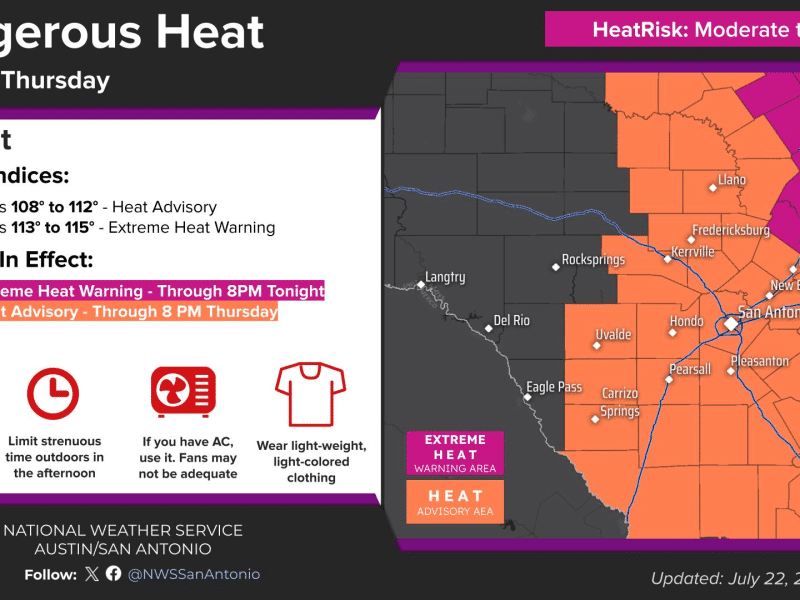
The advisory covers Kerr, Bandera, Blanco, Dimmit, Gillespie, Kendall, Uvalde and Zavala counties. Forecasters said hot temperatures combined with high humidity may cause heat illness, and the advisory will remain in effect overnight because temperatures aren’t expected to drop out of the 80s.

Flood survivors to rally at Kerrville City Council meeting, demand more federal and state support
Advocacy group Rebuild plans press availability before and after today’s 3 p.m. emergency meeting
City warns of sanitary sewer overflow in Town Creek, urges public to avoid contact with waterway
Advisory extends downstream to Louise Hays Park and Kerrville-Schreiner Park; TCEQ and UGRA notified
Comments (0)
There are no comments on this article.