
Governor Abbott poised to make deepfake porn in Texas a crime
The legislation makes it a Class A misdemeanor to knowingly produce or distribute deepfake media depicting someone in sexual situations without their consent. The offense becomes a third-degree felony for repeat offenders or when the depicted person is under 18.
The Texas Legislature has passed comprehensive legislation criminalizing the creation and distribution of deepfake pornography and artificial intimate images, sending the bill to Gov. Greg Abbott’s desk on the final day of the session.
Senate Bill 441, which passed the House 90-33 and the Senate 31-0 in final votes Friday, significantly expands Texas’ existing laws against nonconsensual intimate imagery to cover AI-generated content. The measure takes effect Sept. 1, 2025.
The legislation makes it a Class A misdemeanor to knowingly produce or distribute deepfake media depicting someone in sexual situations without their consent. The offense becomes a third-degree felony for repeat offenders or when the depicted person is under 18.
The bill also creates a new Class B misdemeanor for threatening to create or distribute such content with intent to coerce, extort, harass or intimidate another person.
Under the new law, deepfake media is defined as visual content created through artificial intelligence, machine learning or other technological means that appears to show a real person performing actions that didn’t occur in reality.
The civil provisions establish liability for website owners, social media platforms and payment processors who facilitate the production or distribution of artificial intimate visual material. Platforms must remove such content within 72 hours of receiving a removal request and provide easily accessible reporting systems.
The legislation includes protections for AI developers who take steps to prevent misuse of their technology, including training systems to identify prohibited content and implementing effective filtering tools.
Courts would be required to order restitution for victims’ psychological, financial or reputational harm. The bill also allows victims to use pseudonyms in legal proceedings to protect their identities.
The measure extends the statute of limitations for civil claims to 10 years after the victim discovers the material or turns 18, whichever is later.
Texas joins a growing number of states addressing the proliferation of AI-generated nonconsensual intimate imagery as the technology becomes more accessible and sophisticated.
Author

Related Articles
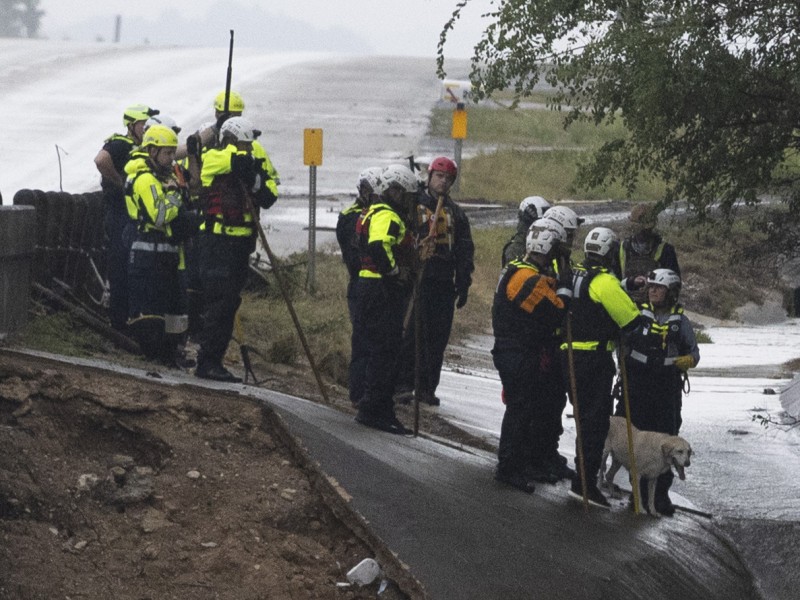
How Thursday unfolded: A timeline
A timeline of Kerr County’s second major flood in a year.

Kerrville holds first media briefing, says no one missing after flood in city limits
Haley said no deaths or missing persons have been reported within Kerrville city limits. The county has confirmed at least one flood-related death in the broader county area, outside city limits.
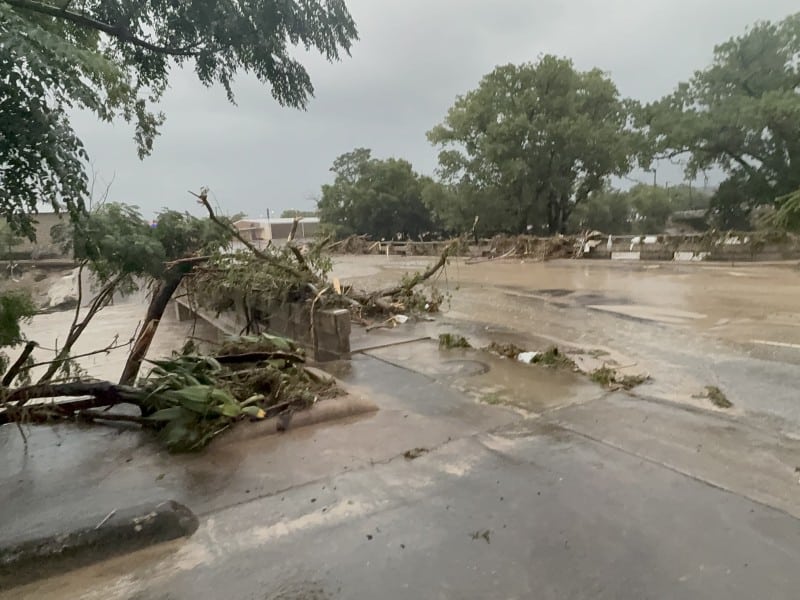
Kerrville declares disaster, seeks state and federal help as flooding devastates Kerr County
Mayor Joe Herring Jr. says damage exceeds city’s capacity to recover alone; river receding from historic crest but still dangerous as more rain looms
Comments (0)
There are no comments on this article.