
FEMA warns Texas flood survivors of identity theft, fraudulent claims
The fraud alert comes as recovery efforts continue from the flash floods that killed at least 135 people statewide, including 108 in Kerr County.
Federal emergency officials are warning Texas flood survivors that criminals are stealing personal information to fraudulently apply for disaster assistance following the deadly July 2 flooding.
The Federal Emergency Management Agency said Monday that con artists are using stolen names, addresses and Social Security numbers to submit fake applications for flood relief funds.
The Lead has documented two cases where victims received FEMA letters thanking them for submitting claims they never filed. The fraudulent applications contained incorrect email addresses or out-of-state phone numbers, and in one case involved a person who lived nowhere near flood damage.
“If a FEMA inspector contacts you or comes to your home and you did not submit a FEMA application, your information may have been used without your knowledge,” the agency warned in a statement.
The fraud alert comes as recovery efforts continue from the flash floods that killed at least 135 people statewide, including 108 in Kerr County.
How the scams work
Thieves obtain personal information from flood survivors and use it to create fraudulent FEMA applications. Victims may first learn of the fraud when a FEMA inspector arrives at their home for an appointment they never scheduled, or when they receive correspondence about applications they never submitted.
FEMA employees and housing inspectors carry official identification badges with photo IDs and never charge for disaster assistance, inspections or application help. The agency warns that anyone promising disaster grants in exchange for payment does not represent FEMA.
Legitimate FEMA inspectors are never authorized to collect personal financial information or banking details from applicants.
What to do
Survivors who suspect fraud should immediately inform any FEMA inspector that they did not apply for assistance. The inspector can request that processing of the fraudulent application be stopped.
People who receive unexpected FEMA letters or suspect fraudulent activity can report it to the FEMA Fraud Branch at StopFEMAFraud@fema.dhs.gov or write to FEMA Fraud and Internal Investigation Division, 400 C Street SW Mail Stop 3005, Washington, DC 20472-3005.
Legitimate applicants who receive notices saying they already applied or that their application is being processed can visit the Disaster Recovery Center at First Baptist Church, 625 Washington St. in Kerrville, open 8 a.m. to 7 p.m. daily.
Suspicious activity can also be reported to the FEMA Helpline at 800-621-3362, available 6 a.m. to 10 p.m. daily.
Additional resources
Scam victims should report incidents to local police or the Texas Attorney General Consumer Protection Hotline at 800-621-0508.
People suspecting identity theft can visit IdentityTheft.gov for information and assistance.
The latest Texas recovery information is available at fema.gov/disaster/4879.
Author

Related Articles

BREAKING: Kerrville man arrested in kidnapping case after victim recovered in Somerville
Anthony Harwell was booked into the Burleson County Jail following his arrest early Tuesday in Somerville, where the 38-year-old victim was found safe, according to the Kerrville Police Department.

Voter registration cards delayed in Kerr County due to redistricting dispute
The delay will not affect voters’ ability to cast ballots, Reeves said.
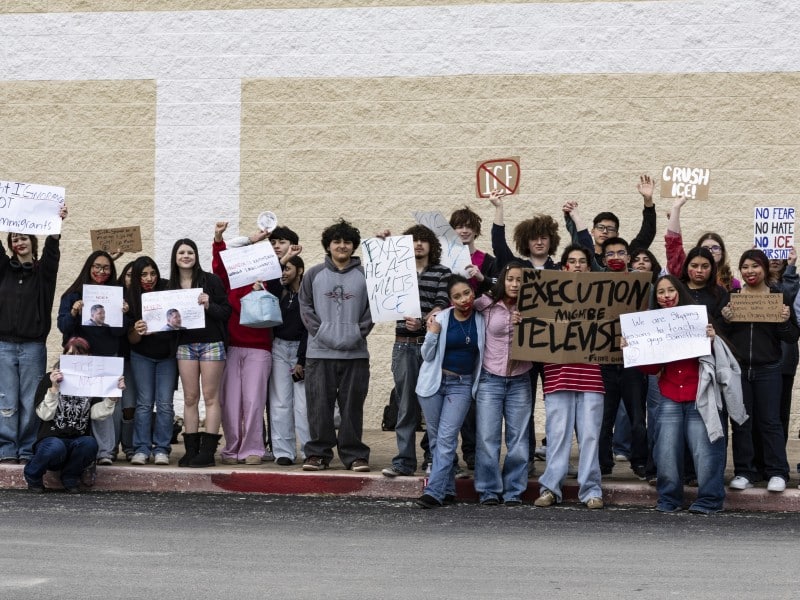
Small band of Tivy High School students walkout to protest ICE
The move mirrored similar walkouts across the state, particularly in the San Antonio area, as part of larger protests against ICE activity in Minnesota and, increasingly, in Texas.
Comments (0)
There are no comments on this article.