
UT poll suggests Texas voters blamed ineffective emergency response, unusual weather in flood
Sixty-six percent of Texas voters said an ineffective response was a major factor contributing to the flood’s devastating impact. At the same time, an equal percentage cited unusual weather conditions as a significant factor, the poll found.
Texas voters overwhelmingly blame ineffective emergency response and unusual weather conditions for the severity of the July 4 flood that killed 117 people in Kerr County, including numerous children, according to a new University of Texas Politics Project poll.
Sixty-six percent of Texas voters said an ineffective response was a major factor contributing to the flood’s devastating impact. At the same time, an equal percentage cited unusual weather conditions as a significant factor, the poll found.
The flood remains an open wound for the community, with two people — Cile Steward and Jeff Ramsey — still missing months after the disaster. The flooding caused millions of dollars in damage across the county.
The flooding in Central Texas “topped the list of news items” Texans said they heard about, with 72% hearing a lot about the devastation, according to the survey.
Federal government response also drew sharp criticism, with 58% to 59% of Texas voters calling various aspects of the federal response a major contributing factor to the flood’s impact. Another 58% said insufficient resources were a major factor.
The poll found “broad consensus on responding to the July 4 flooding in Texas that resulted in at least 135 deaths,” according to the University of Texas Politics Project. The survey showed 82% of Texas voters said that “responding to issues related to the flooding in Central Texas in early July” was extremely (55%) or very (27%) important, while only 3% said it was not very important (1%) or not important (2%).
Climate change proved more divisive among Texas voters, with 37% calling it a major factor while 33% said it was not a factor at all. The split reflects broader political divisions even as the community deals with the disaster’s aftermath.
Lack of preparation received more mixed responses from Texas voters, with 41% calling it a major factor and 36% saying it was a minor factor. Only 12% said preparation levels were not a factor in the flood’s impact.
The University of Texas Politics Project conducted the poll to gauge public opinion on factors contributing to the flood’s severity. The disaster struck during what should have been a holiday celebration, transforming July 4 into a day of tragedy that continues to shape the community.
Emergency responders and local officials have faced ongoing scrutiny since the flood, with families of victims demanding accountability and answers about what could have been done differently.
The poll’s findings suggest Texas voters want systemic changes to prevent future tragedies, rather than accepting the disaster as an unavoidable act of nature. The high percentage blaming response effectiveness indicates statewide belief that better coordination and resources could have saved lives in Kerr County.
Recovery efforts continue across Kerr County, with federal and state agencies working alongside local officials to rebuild infrastructure and improve emergency preparedness for future weather events.
The search for Stewart and Ramsey also continues, serving as a daily reminder of the flood’s toll on families and neighbors throughout the county.
Author

Related Articles

Schreiner University delegation signs four partnership agreements during South Korea visit
The March 16-24 visit produced five-year student exchange agreements with Soongsil University in Seoul, Keimyung University in Daegu and Seoul Women’s University, and renewed a cooperative agreement with Hannam University in Daejeon that dates to 2014.

Kerr County VSO, regional aging agency team up to expand support for veterans, older adults
The Kerr County VSO has joined with the Alamo Area Council of Governments Area Agency on Aging to connect eligible residents with support covering utility bills, durable medical equipment, nutritional supplements, vision and hearing care, basic dental services and minor home modifications such as grab bars, handrails and wheelchair ramps.
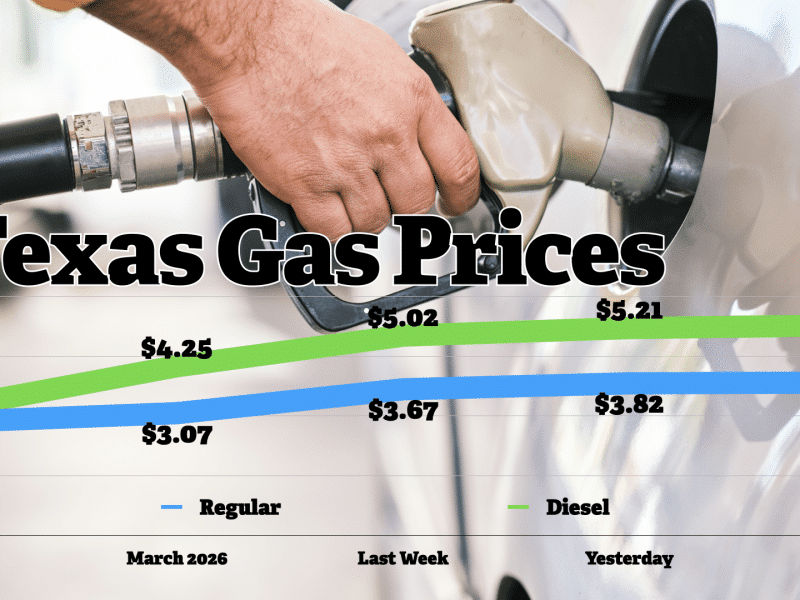
Kerr County gas prices tick up; Texas diesel within pennies of all-time record
Texas regular unleaded, by comparison, remains well below its own record of $4.695, set June 15, 2022 — though at $3.844 statewide, prices are up nearly a dollar from a year ago and rising fast. Premium in Texas now averages $4.697, just two cents below its own all-time high.
Comments (0)
There are no comments on this article.