
Federal meteorologists detail the science behind the flood that killed 28 at Camp Mystic
The National Weather Service released a comprehensive analysis Thursday of the atmospheric conditions that produced the July 4 disaster — data that now maps directly against testimony from this week’s wrongful death hearings
The National Weather Service on Thursday released a detailed scientific post-mortem of the July 4, 2025 flood that killed 119 people across Kerr County, including 28 at Camp Mystic — offering the most authoritative account yet of exactly what happened in the skies above the South Fork of the Guadalupe River in the hours before dawn.
The analysis, published as an interactive StoryMap by the NWS San Antonio/Austin office, traces a chain of atmospheric events stretching back nearly a week before the disaster and pinpoints the meteorological mechanism responsible for the catastrophic rain rates that overwhelmed the Hill Country in the early morning hours of July 4.
The timing of the release is significant. This week, attorneys in the Camp Mystic wrongful death litigation presented detailed testimony about what camp leadership knew — and did — during those same hours. The NWS data now provides a scientific frame for that timeline.
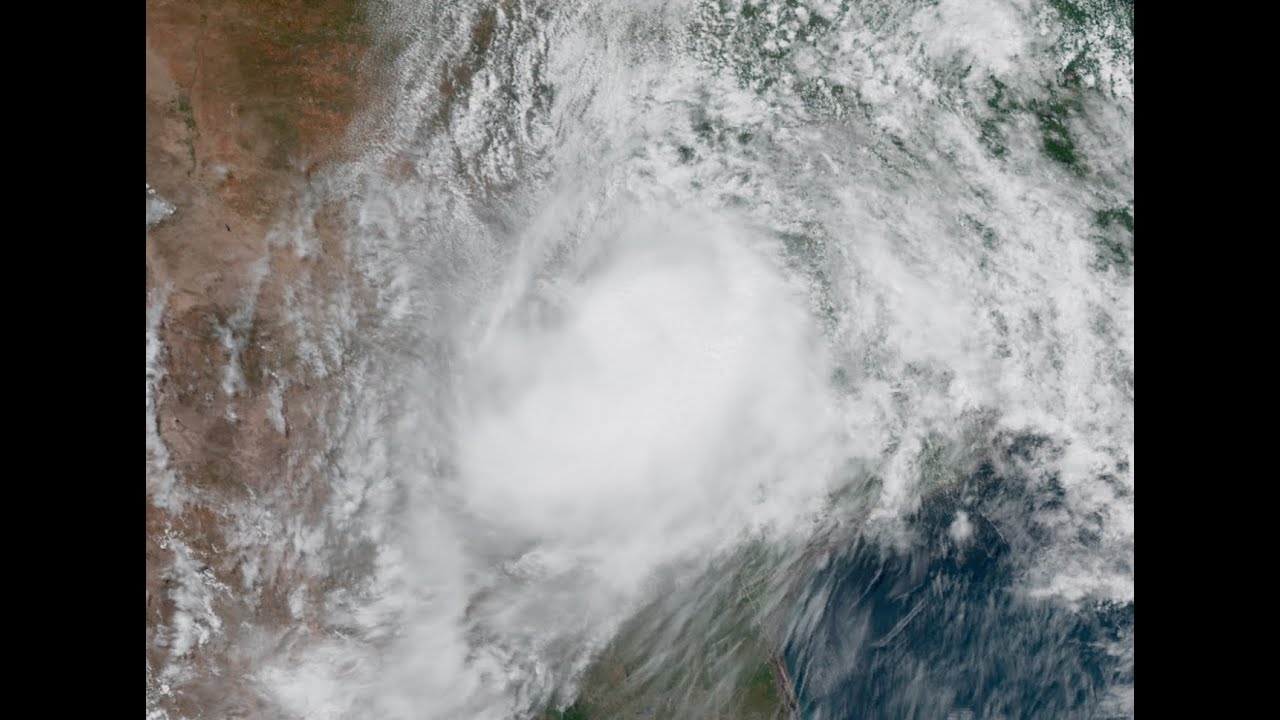
What the weather did
The disaster began taking shape in late June, when a ridge of high pressure shifted east, opening a corridor for tropical moisture to flow northward into Texas. Tropical Storm Barry made landfall near Tampico, Mexico, on June 29. Though Barry’s circulation collapsed over eastern Mexico the following day, its remnant moisture rode northward along a slow-moving mid-tropospheric trough, reaching the Edwards Plateau and Hill Country by the evening of July 3.
Simultaneously, a mesoscale convective vortex — a self-sustaining mid-atmosphere circulation spawned by a thunderstorm complex over Chihuahua on July 2 — tracked northeast through Big Bend, along Interstate 10, and into the Hill Country by the evening of July 3. MCVs, the NWS notes, are notoriously difficult to forecast and can generate prolific rainfall by repeatedly concentrating and lifting moisture.
By the time storms began firing over Kerr County around 10 p.m. on July 3, the atmosphere above Central Texas held moisture levels at or above the 99th percentile for the time of year. Weather balloons launched from Del Rio measured a precipitable water value of 2.52 inches on the morning of July 4 — the second highest observation at that site on record.
The fatal mechanism was what meteorologists call storm training. Individual storm cells tracked north and northeast — directly over the South Fork watershed — while new cells continuously formed to the south and followed the same path. The storms didn’t move on. They stacked.
A rain gauge six miles southwest of Hunt recorded 10.62 inches before 4 a.m. — including 5.22 inches in a single hour, between 2:22 and 3:22 a.m.
What was happening on the ground
Court testimony this week painted a parallel picture of what camp leadership was experiencing during those same minutes.
At 1:14 a.m., the NWS issued a flash flood warning — a “Considerable Threat” alert that triggered an automatic emergency notification to mobile phones in the Hunt area. The gauge southwest of Hunt had recorded 1.17 inches at that point. Edward Eastland, the camp’s director, slept through the alert.
By 3 a.m., river flow at the Hunt gauge had risen to 264 gallons per second. Thirty minutes later, it had surged to 125,000 gallons per second — a 473-fold increase in half an hour. The first 911 call from the camp was not placed until 3:57 a.m., by campers stranded on Senior Hill who could not reach the main office.
The data, in full
The NWS StoryMap is publicly available and includes interactive maps, radar animations, rainfall charts, and upper-air sounding data. Kerr County readers who want to examine the meteorological record in full can access it at https://storymaps.arcgis.com/collections/bb1109cec58248fba33e459c4bf9852f?item=1.
The Camp Mystic wrongful death cases are being litigated in Travis County before Judge Maya Guerra Gamble. An appellate hearing before the Third Court of Appeals is scheduled for Sunday, April 20, in Austin.
Author

Related Articles
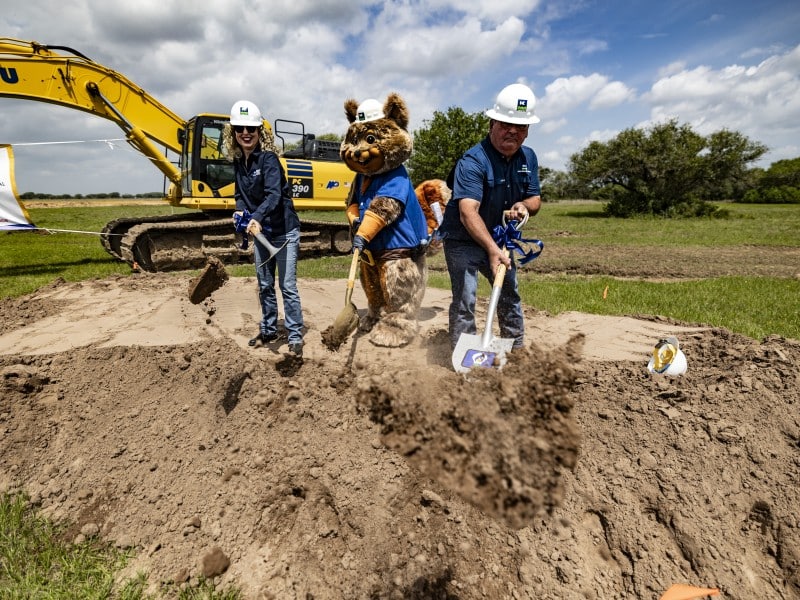
KPUB breaks ground on new power plant in Colorado County
Joint venture with Sky Global Partners aims to stabilize utility costs for Kerrville customers by summer 2027
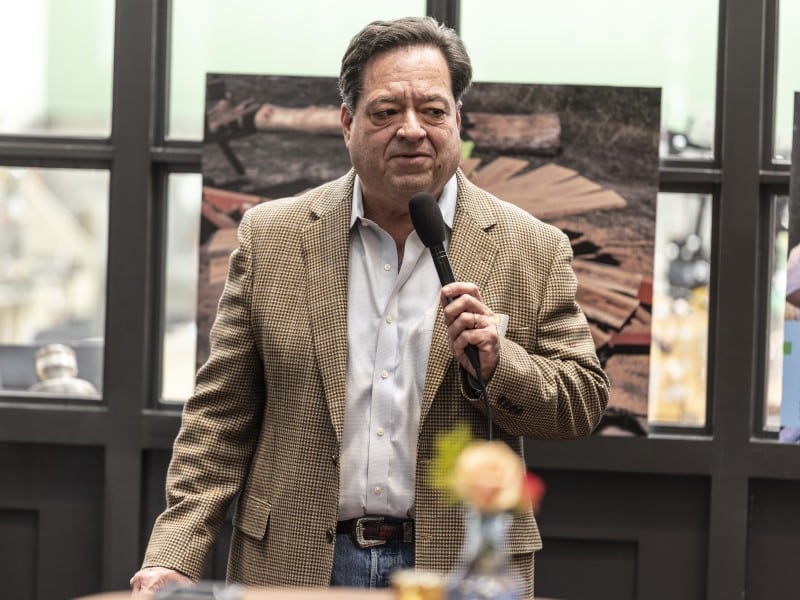
Kerrville’s long-awaited river center reaches 90% funding mark
The two-building campus will anchor Granger Macdonald Park, a one-acre riverfront parcel donated by Justin McDonald in honor of his father. That land gift and a $2.2 million allocation from Kerrville’s 2023 Quality of Life bond have helped lay the groundwork for a facility organizers say will be unlike anything the river has seen.
Comments (0)
There are no comments on this article.