
Texas state employees face abrupt end to remote work despite evidence of success
“Teleworking employees must return to the office on or before March 31, 2025,”
In a dramatic policy reversal that has left thousands of state workers scrambling, Texas Governor Greg Abbott has directed all state agencies to end telework arrangements by March 31, 2025. The mandate comes just weeks after a comprehensive state survey documented substantial benefits from remote and hybrid work models across Texas government.
“Teleworking employees must return to the office on or before March 31, 2025,” Texas Workforce Commission Executive Director Ed Serna wrote in an email to the agency’s approximately 4,700 employees on Wednesday, according to documents obtained by The Texas Tribune. Similar directives have been issued by leaders at the Texas Department of Motor Vehicles and the Texas Department of Licensing and Regulation.
The governor’s order appears to follow President Donald Trump’s January executive order requiring federal workers to return to offices full-time. President Trump, working with Elon Musk who heads his government efficiency initiatives, has threatened to terminate employees who fail to comply with in-person work requirements.
Study Showed Clear Benefits
The abrupt shift comes in stark contrast to findings from a February 2025 survey conducted by the Texas Legislative Budget Board, which found overwhelming evidence supporting the effectiveness of remote work in state government.
That comprehensive report, which included responses from 96 executive and judicial agencies, documented significant improvements in productivity, recruitment, retention, and cost savings. Among the findings:
- 80 agencies reported improvements in recruitment and retention due to remote work options
- 46 agencies noted increased employee productivity with remote arrangements
- 29 agencies experienced positive fiscal impacts from reduced office space and lower operational costs
“The data strongly suggests that remote work arrangements, when properly implemented, can enhance government efficiency while reducing costs,” stated the Legislative Budget Board report to the Senate Finance Committee.
Real-World Success Stories
Several Texas agencies had already documented substantial successes with remote and hybrid models. The Health and Human Services Commission consolidated leases in Austin by closing nine facilities between fiscal years 2023 and 2024, saving an estimated $7.6 million. The Texas Workforce Commission – whose employees must now return to offices – had saved approximately $929,754 annually through similar consolidation.
The Department of Information Resources reported a 78.4% increase in documented meetings and improved collaboration under their hybrid model, while the Department of Motor Vehicles maintained a high customer satisfaction rating of 96% in their Customer Contact Center despite remote operations.
Creating Chaos
According to The Texas Tribune, the new directive has “created chaos for agency leaders” who must now accommodate thousands of workers in offices that have been downsized to capture cost savings. One state agency director had previously emphasized, “We cannot hire anyone without having a hybrid work policy,” highlighting remote work’s importance in talent acquisition.
The policy shift has particularly upset workers who report greater productivity when working remotely. This sentiment aligns with broader economic research, including a Bureau of Labor Statistics study from October 2024 that found positive correlations between remote work and productivity growth across 61 industries.
Part of a Broader Trend
Texas joins other states like Indiana and Ohio that are mandating returns to office despite evidence supporting remote work effectiveness. The trend appears driven more by political considerations than performance metrics, as the Texas report had specifically noted that agencies “consistently report maintaining or even improving service levels while reducing overhead costs.”
As the March 31 deadline approaches, state agencies are reportedly still finalizing the parameters for the “very limited” exceptions that will be permitted under the new policy. Meanwhile, thousands of state employees must rearrange childcare, commuting schedules, and work arrangements with just weeks of notice.
For a government that had been documenting measurable improvements in service delivery while reducing costs through remote work, the sudden reversal raises questions about whether politics or performance will drive future workplace policies in Texas.
Author

Related Articles
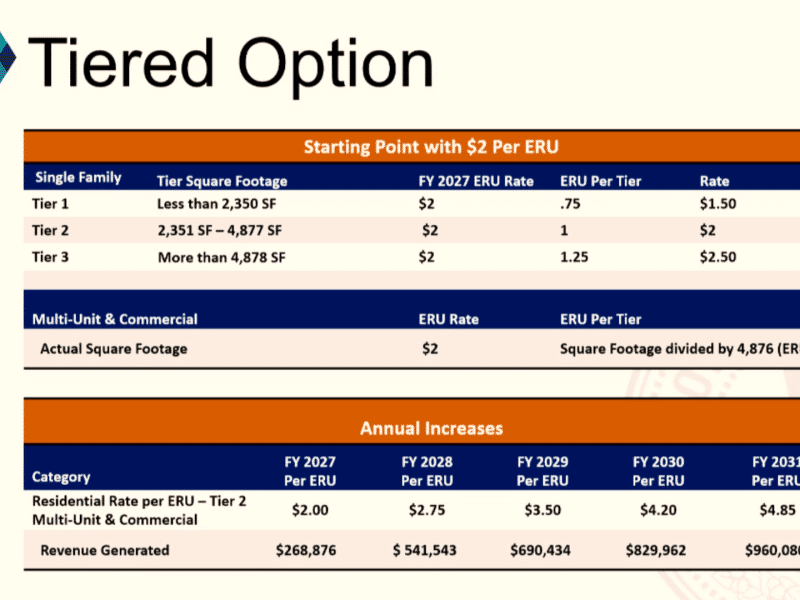
Kerrville Council leans toward tiered stormwater fee, but delays decision pending more study
The proposed fee is designed to generate roughly $267,000 in its first year for system maintenance while chipping away at a $15 million backlog of drainage capital projects identified in the city’s 2020 Stormwater Master Plan.

Tornado Watch issued as escalating severe weather threat moves toward Kerr County tonight
NWS now forecasting winds up to 80 mph, hail exceeding 2 inches; storm development arriving sooner than expected

Judge grants partial injunction against Camp Mystic, blocks office use for Cypress Lake reopening
Judge Maya Guerra Gamble of the 459th Judicial District issued the ruling after a day-long hearing in the Steward family’s wrongful death lawsuit. Her order took effect immediately, she said, even as attorneys work on final written language.
Comments (0)
There are no comments on this article.