
30% of Americans consult astrology, tarot cards or fortune tellers, Pew Survey finds
The study found that 30% of U.S. adults say they consult these practices annually, while only 10% do so because they “believe the practices give them helpful insights.” The majority — 20% — participate “just for fun.”
Nearly one-third of American adults consult astrology, tarot cards or fortune tellers at least once a year, but most engage in these practices for entertainment rather than guidance on major life decisions, according to a new Pew Research Center survey.
The study found that 30% of U.S. adults say they consult these practices annually, while only 10% do so because they “believe the practices give them helpful insights.” The majority — 20% — participate “just for fun.”
Despite increased media attention around New Age practices in recent years, belief in astrology has remained relatively stable. Twenty-seven percent of Americans say they believe astrology can affect people’s lives, virtually unchanged from 29% in 2017 when Pew last asked the question.
“Despite recent attention to astrology, the number of Americans who believe in astrology doesn’t appear to have changed very much in recent years,” the report states.
The survey of 9,593 adults, conducted Oct. 21-27, 2024, reveals sharp demographic divides in who engages with these practices. Women are significantly more likely than men to believe in astrology (35% vs. 18%) and to consult it regularly. Among women ages 18 to 49, 43% believe in astrology.
LGBT adults stand out as particularly likely to engage with these practices. Fifty-four percent consult astrology or horoscopes at least yearly — “roughly twice the share among U.S. adults overall.” One-third of LGBT adults consult tarot cards, compared to 11% of all Americans.
Age also plays a major role. Thirty-seven percent of adults under 30 consult astrology annually, compared to 20% of those 65 and older. Nearly a quarter of young adults use tarot cards at least yearly, while only 3% of seniors do.
Religious affiliation shows mixed patterns. While religiously affiliated and unaffiliated Americans are equally likely to believe in astrology (27% and 28%, respectively), some religious groups diverge significantly. About one-third of Black Protestants, Hispanic Catholics and adults who say their religion is “nothing in particular” believe in astrology. In contrast, atheists, White evangelical Protestants and Jewish Americans are less likely than the general public to embrace these beliefs.
The survey found that income, education and political ideology also correlate with belief patterns. Adults with lower incomes are about twice as likely as those in upper-income brackets to believe in astrology (37% vs. 16%). College graduates are less likely than those without degrees to believe, and political conservatives are less likely than moderates and liberals to embrace astrology.
Despite the popularity of these practices, relatively few Americans make major life decisions based on them. Only 1% say they rely “a lot” on insights from fortune tellers, tarot cards or astrology when making important choices, while an additional 5% rely on them “a little.”
LGBT adults again represent an outlier, with 21% saying they rely at least somewhat on these practices for major decisions — “considerably larger than the share of any other demographic subgroup.”
The practices remain occasional rather than routine for most participants. Just 6% of Americans engage in one or more of these activities weekly, while 14% participate monthly.
The survey comes amid what media reports have described as rising interest in New Age practices, particularly among young people and on social media platforms like TikTok, especially during the COVID-19 pandemic’s period of social distancing.
However, the data suggests this attention may not have translated into increased belief. Pew’s findings align with historical Gallup polling from 1990 to 2005, which consistently found that 23% to 28% of Americans believed in astrology.
The research indicates that while these practices have found new platforms and cultural expressions, their fundamental appeal to Americans has remained relatively constant over recent decades.
Author

Related Articles
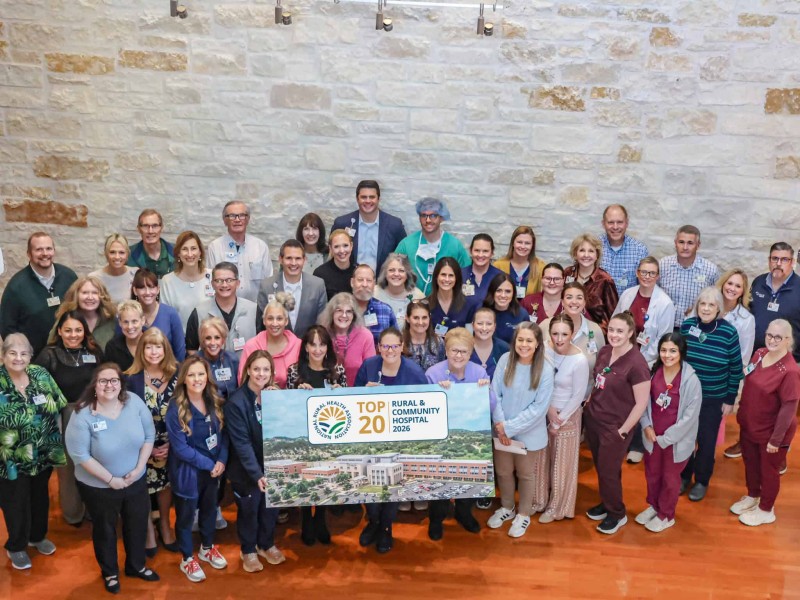
Peterson Health ranked among top 20 rural hospitals in the nation
The Kerrville hospital will be formally recognized May 21 at NRHA’s Annual Rural Health Conference in San Diego.

Kerr County to test emergency alert systems April 2
The test will include the Integrated Public Alert and Warning System, which pushes alerts to all mobile devices in the area, and the CodeRED notification system for registered users.

Mail delivery to get more expensive with 8% fuel surcharge
“Even with this change, the Postal Service continues to offer great value in shipping with some of the lowest rates in the industrialized world,” the agency said in a filing with the PRC.
Comments (0)
There are no comments on this article.