
Legislative committee details systemic failures at Camp Mystic in first session of flood hearing
Morning testimony cites staffing cuts, absent evacuation plans, and culture of complacency; hearing continues this afternoon
AUSTIN — A Texas legislative committee heard testimony Monday morning detailing a cascade of preventable failures at Camp Mystic before floodwaters swept through the Guadalupe River camp on July 4, 2025, killing 28 people — including 25 campers, two counselors, and camp director Richard “Dick” Eastland.
The General Investigating Committee’s hearing on the July 2025 Flooding Events, led by Chairman Meyer and investigator Casey Garrett, broke for lunch Monday after presenting forensic findings on the camp’s emergency preparedness, regulatory compliance, and leadership structure. The committee is expected to resume this afternoon.
The morning session painted a picture of a camp where decades of flooding history produced complacency rather than reform.
“Never going to happen”
Investigators found that Camp Mystic failed to meet multiple requirements under the Texas Administrative Code governing youth camp safety. The camp’s one-page emergency document addressed only disasters and serious accidents, omitting required plans for epidemics and fatalities. More critically, its flood protocol consisted entirely of a single instruction: shelter in place.
That instruction, investigators concluded, became a death sentence once rising water in Edmonson Creek — known among campers as Bubblegum Creek — cut off the lower campus from the rest of the property at approximately 2:14 a.m.
Counselors told investigators that during orientation, camp leadership dismissed the prospect of serious flooding. “Oh, that’s never going to happen,” witnesses recalled being told.
A July 2 inspection by the Texas Department of State Health Services — conducted just two days before the disaster — found the camp in compliance. But investigators noted the inspector was a sanitation specialist focused on food safety, not emergency readiness. She confirmed a piece of paper was posted. She did not evaluate whether staff had been trained on it.
A culture of obedience, not action
The morning hearing detailed how Dick Eastland’s management style — described by witnesses as absolute and centralized — left staff conditioned to wait for direction rather than act independently.
Eastland, characterized in testimony as “The General” and “Mr. Veto,” was the sole keeper of any emergency strategy. When he became occupied managing the unfolding disaster, no one else had the authority — or the training — to fill the command void.
Counselors reported hesitating to move children to higher ground because camp culture required waiting for a PA announcement. Some feared professional consequences for breaking the camp’s obedience norms.
At 1:14 a.m., the National Weather Service issued a life-threatening flash flood warning. Eastland, monitoring weather apps on his phone, directed his son Edward to move waterfront equipment. No camper evacuations were ordered.
Staffing cuts left teenagers alone with young children
Investigators identified a staffing reduction — from three counselors per cabin to two — as a critical vulnerability. Because counselors received scheduled nights off, the change routinely left a single counselor, often 17 or 18 years old, solely responsible for cabins of 8-year-old girls.
Those counselors had no radios, no walkie-talkies, no life jackets, and no ladders. The camp’s only walkie-talkies were held by leadership and a night watchman — or locked in a rifle range cabinet.
The emergency binder told counselors to “get help” if in doubt. But with floodwater rising and the lower campus cut off, there was no one to get help from.
Three chaotic evacuations
Between approximately 3:10 and 3:40 a.m., Eastland, his son, and night watchman Glenn Juenke made three vehicle-based evacuation attempts in pitch-black, storm conditions. The efforts were non-standardized — girls were loaded haphazardly into truck beds, some told to simply walk.
During the second attempt, 10-year-old Greta Torono was swept away after running back to retrieve a bedsheet.
Counselors at Nut Hut and Chatterbox cabins, realizing no help was coming, improvised — passing children through windows and carrying them up steep bluffs. At Wiggle Inn, campers survived by climbing onto windowsills; the cabin’s vaulted ceilings provided a critical air pocket as water rose.
Twins 1, Twins 2, and Bubble In had flat ceilings. When water reached those ceilings, there was no air left. A 17-year-old counselor at the Twins cabins pushed girls out the door and underwater to escape. At Bubble In, Eastland loaded campers into his Tahoe. The vehicle was swept off the road and crashed into a tree. Eastland and every young girl from that cabin died.
The aftermath: misinformation and blocked rescuers
Investigators described the post-flood response as a failure of unified incident command. Officials circulated reports that all girls were accounted for while many remained missing. Qualified search-and-rescue teams — including the Cajun Navy, which had thermal drones and helicopters — were told to stand down for the first 24 hours.
On the morning of July 5, a parent searching alone discovered a child’s body in an area where no professional search had been conducted.
Desperate parents, lacking a centralized tip line, posted their phone numbers on social media. Some received calls from people pretending to be their missing daughters.
Author

Related Articles
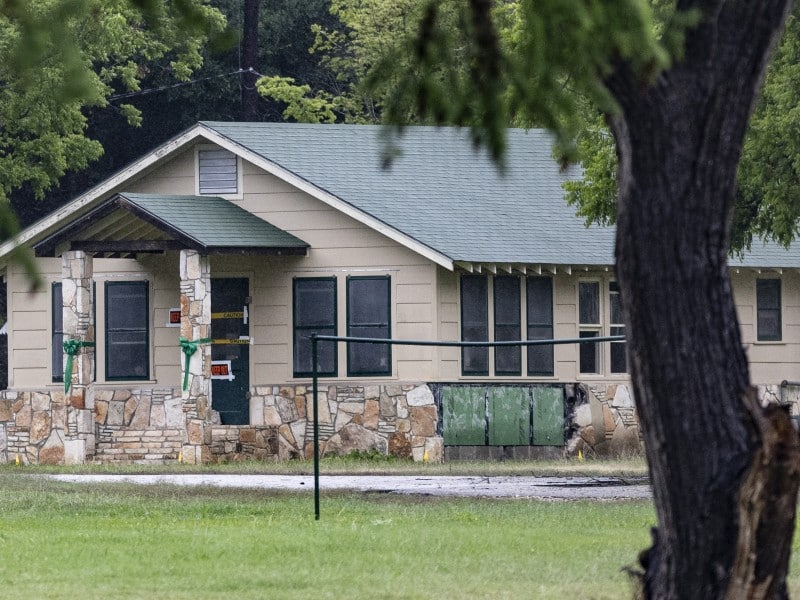
What Monday’s Camp Mystic hearing was — and wasn’t
The Camp Mystic legislative presentation was a systematic accounting of failures. For families of the other 91 who died on July 4, it was not their day.
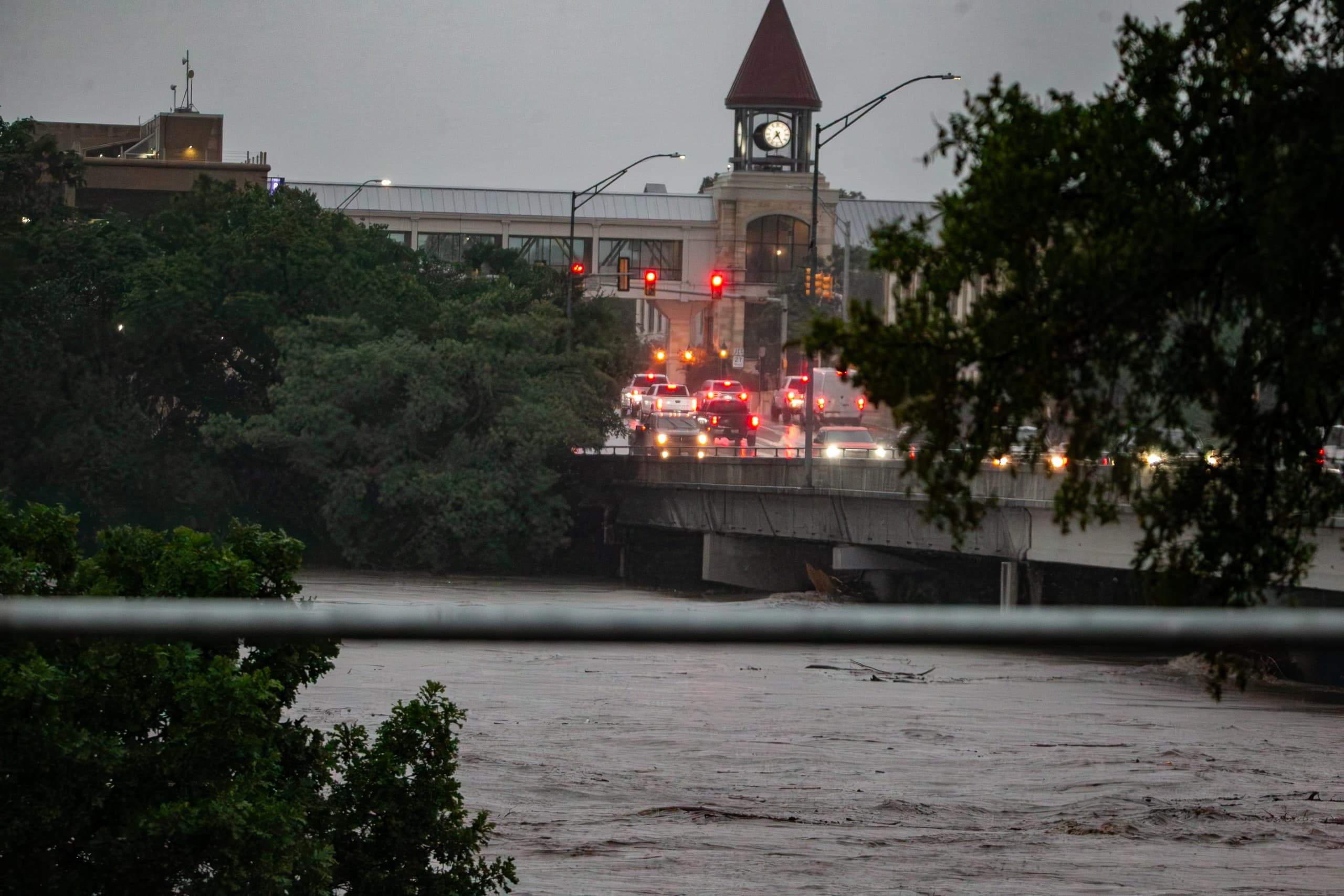
The Lead is honored for its July 4 flood coverage by Texas Managing Editors
The award included a prestigious Texas Headliners Foundation award for breaking news coverage.
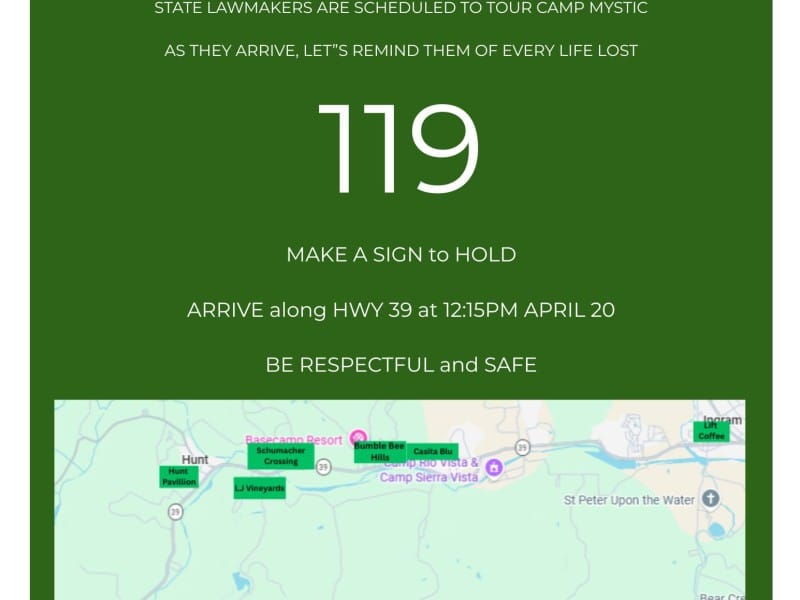
Hunt residents plan Highway 39 demonstration as state lawmakers tour Camp Mystic on Monday
Organizers say flood survivors outside Camp Mystic have been left out of the investigation
Comments (0)
There are no comments on this article.