
Texas lawmakers find agreement in bills on child safety, governments transparency, mental health
As the Texas Legislature concludes its 2025 session, there was overwhelming bipartisan support for a package of bills addressing rural workforce development, child safety protections and local government transparency, with most measures taking effect Sept. 1.
As the Texas Legislature concludes its 2025 session, there was overwhelming bipartisan support for a package of bills addressing rural workforce development, child safety protections and local government transparency, with most measures taking effect Sept. 1.
SENATE BILL 541
Looking at Texas Senate Bill 541, this legislation significantly expands the state’s cottage food industry by loosening restrictions and creating new sales channels for home-based food producers.
Key Changes:
The bill dramatically broadens what cottage food operations can produce by removing the previous restrictive list of about 20 specific allowed items. Now, producers can make virtually any food except prohibited categories like meat, seafood, ice products, low-acid canned goods, cannabis products and raw milk.
Financial Impact:
The income cap for cottage food operations triples from $50,000 to $150,000 annually, with automatic inflation adjustments. This change could transform many operations from small side businesses into substantial enterprises.
New Sales Channels:
The legislation creates a new “cottage food vendor” category, allowing third-party retailers to sell cottage foods at farmers markets, farm stands, food service establishments and retail stores. Previously, cottage food producers could only sell directly to consumers.
Limited wholesale sales are now permitted to these registered vendors, breaking the previous direct-sales-only restriction.
Enhanced Protections:
The bill strengthens cottage food operations’ protection from local government interference. Notably, it prohibits local authorities from employing anyone who knowingly tries to require illegal licenses from cottage food producers.
Registration Requirements:
Producers selling temperature-sensitive foods or using cottage food vendors must register with the state health department. The bill also allows producers to use state-issued identification numbers instead of home addresses on labels for privacy.
Consumer Safety:
New labeling requirements include production dates for temperature-sensitive foods and specific handling instructions. The standardized disclosure statement reads: “THIS PRODUCT WAS PRODUCED IN A PRIVATE RESIDENCE THAT IS NOT SUBJECT TO GOVERNMENTAL LICENSING OR INSPECTION.”
The legislation passed with overwhelming bipartisan support and takes effect Sept. 1, 2025, positioning Texas as one of the most cottage food-friendly states in the nation.
SENATE BILL 2448
Looking at Texas Senate Bill 2448, this legislation creates a new grant program that could bring workforce development resources directly to rural counties like Kerr County.
Program Structure:
The Rural Workforce Development Grant Program will be administered by the Texas Workforce Commission in partnership with the Texas Education Agency and Texas Higher Education Coordinating Board. The program awards grants to qualified nonprofit organizations rather than directly funding schools or colleges.
Local Impact for Kerr County:
As a rural county, Kerr County’s educational institutions — including Schreiner University and local school districts — could benefit from technical assistance provided by grant-funded nonprofits. These organizations would help align workforce training programs with local job market demands.
Funding Mechanism:
The legislation doesn’t specify a dollar amount, leaving funding levels to future legislative appropriations. However, the commission can also accept private donations and grants to supplement state funding.
Eligibility Requirements:
Nonprofit organizations must demonstrate previous experience successfully helping rural educational institutions develop workforce programs that address local skills gaps. They must apply through a process the workforce commission will establish through rulemaking.
Accountability Measures:
Grant recipients must enter contracts ensuring public benefit and appropriate use of funds. The workforce commission will monitor spending and submit annual reports to state leadership and legislative committees.
Political Reception:
The bill passed with strong Senate support (30-1) but faced more resistance in the House (103-44), suggesting some lawmakers had concerns about the program’s structure or cost.
Timeline:
The legislation takes effect Sept. 1, 2025, with the workforce commission required to adopt implementing rules “as soon as practicable.”
For Kerr County, this could mean enhanced workforce development programs tailored to local industries like healthcare, tourism and agriculture, potentially helping address worker shortages in key sectors.
SENATE BILL 2662
Looking at Texas Senate Bill 2662, this legislation strengthens drought enforcement tools for water utilities, giving providers like the city of Kerrville clearer authority to cut off service to customers who violate water restrictions during drought conditions.
Key Changes:
The bill explicitly authorizes water utilities to discontinue, reduce or impair service for “noncompliance with a drought contingency plan.” This adds drought violations to the existing list of reasons utilities can cut service, which previously included only nonpayment, nonuse and similar business reasons.
Regulatory Framework:
The legislation requires all utilities to file their drought contingency plans as part of their official tariffs with regulatory authorities. However, it clarifies that drought plan provisions don’t constitute “rates” under state law, protecting utilities from rate-setting challenges over water restrictions.
Local Impact for Kerr County:
This could significantly impact Kerr County’s multiple water providers during drought periods. The city of Kerrville, along with other local utilities, would gain stronger enforcement mechanisms to ensure compliance with water restrictions when drought conditions warrant conservation measures.
Plan Requirements:
Drought contingency plans must include specific, quantified water reduction targets and reasonable enforcement procedures. These can include fines, rate surcharges, service restrictions, disconnections or other penalties. Individual utilities establish their own targets and enforcement methods.
Oversight Structure:
The Texas Commission on Environmental Quality, Public Utility Commission and Texas Water Development Board will jointly develop model drought programs and guidelines for different types of water suppliers. These serve as voluntary best practices rather than mandatory requirements.
Political Reception:
The bill passed unanimously in the Senate (31-0) but faced some House resistance (128-19), suggesting concerns about utility enforcement powers or potential impacts on customers.
Timing:
The legislation takes effect immediately if it received a two-thirds vote, or Sept. 1, 2025, otherwise.
For drought-prone Kerr County, this provides water utilities stronger tools to enforce conservation during water shortages, potentially helping preserve water supplies during extended dry periods that have plagued the region.
SENATE BILL 920
Looking at Texas Senate Bill 920, this legislation expands school employees’ authority to administer over-the-counter medications to students without requiring a doctor’s authorization, streamlining routine health care in schools.
Key Changes:
The bill allows school district, charter school and private school employees — including non-medical staff — to give students nonprescription medications like Tylenol, Advil or cough drops with only parental permission. Previously, many schools required physician authorization even for basic over-the-counter remedies.
Safety Requirements:
Schools can only administer unexpired medications from original, properly labeled containers at doses consistent with package instructions. Parents, guardians or legal custodians must provide written requests for any medication administration.
Liability Protection:
The legislation extends existing immunity from civil lawsuits and administrative penalties to cover nonprescription medication administration, protecting schools that follow proper procedures from legal consequences if problems arise.
Prescription Medications:
The law maintains existing requirements for prescription drugs, which still need physician authorization and must come from properly labeled containers or unit doses prepared by nurses or qualified employees.
Volunteer Professionals:
Licensed physicians and registered nurses volunteering at schools can administer both prescription and nonprescription medications if the district provides liability insurance coverage.
Nursing Board Exception:
The bill creates an exception in state nursing law, clarifying that school employees giving over-the-counter medications under these provisions aren’t practicing nursing without a license.
Political Support:
The legislation passed unanimously in both chambers — 31-0 in the Senate and 147-0 in the House — indicating broad bipartisan agreement on reducing bureaucratic barriers to basic student health care.
Implementation:
Schools must adopt specific policies governing medication administration to qualify for legal protections. The law takes effect Sept. 1, 2025.
This change could significantly reduce delays in treating common student ailments like headaches, minor pain or cold symptoms, allowing schools to address routine health needs more efficiently while maintaining safety protocols.
HOUSE BILL 1593
Looking at Texas House Bill 1593, this legislation creates a temporary advisory committee to study firefighter suicide prevention and peer support programs, addressing a growing mental health crisis in fire departments statewide.
Committee Composition:
The eight-member advisory committee includes firefighters and fire chiefs from major state associations, three licensed mental health professionals appointed by different firefighter organizations, a Texas A&M Engineering Extension Service representative and the executive director of the Texas Commission on Fire Protection.
Study Scope:
The committee will examine existing suicide prevention and peer support programs in fire departments, analyze licensing requirements and confidentiality issues, and develop recommendations for potential legislation or local initiatives.
Timeline and Deliverables:
The committee must submit a comprehensive report to the governor and legislature by Sept. 1, 2026. The report will assess whether new state laws are needed to implement suicide prevention programs and whether local governments should be encouraged to develop their own initiatives.
Administrative Support:
The Texas Commission on Fire Protection will provide necessary administrative resources and staff support. The committee can meet virtually or in person and will select its own chair.
Expiration:
The advisory committee dissolves on Jan. 10, 2027, making this a limited-duration study rather than a permanent oversight body.
Political Reception:
The bill passed with overwhelming support in both chambers — 121-1 in the House and 30-1 in the Senate — indicating broad bipartisan recognition of firefighter mental health as a priority issue.
Background Context:
Firefighters face elevated suicide rates due to repeated exposure to traumatic situations, long hours and high-stress environments. The study comes amid growing awareness of first responder mental health challenges nationwide.
Local Impact:
The recommendations could affect all Texas fire departments, including those in smaller communities like Kerrville, by potentially establishing statewide standards or encouraging local peer support programs.
The legislation takes effect Sept. 1, 2025, with committee work beginning shortly thereafter.
HOUSE BILL 3526
Looking at Texas House Bill 3526, this legislation creates comprehensive new transparency requirements for local government bond issues, giving voters unprecedented access to debt information through a centralized state database.
Online Database:
The Texas Bond Review Board must establish a publicly searchable online database by Sept. 1, 2026, containing details on all proposed and issued local government bonds. The database will display bond principal amounts, estimated interest costs, total repayment figures and annual debt service requirements in an easy-to-read table format.
Election Reporting:
Local governments must submit detailed reports to the state board 20 days before and after bond elections. Pre-election reports include proposition details, estimated costs and debt service amounts. Post-election reports provide vote tallies and any updated financial information.
Annual Tracking:
Local governments with voter-approved but unissued bonds must file annual reports by Sept. 30 detailing unused bond authorizations, including specific legal authorities, proposition numbers and estimated costs.
Legislative Oversight:
The board will submit biennial reports to legislative finance committees tracking repayment status of all voter-approved local bonds, including principal and interest paid, remaining obligations and any required tax rate increases.
Local Impact:
This affects all Texas local governments that issue bonds, including cities, counties, school districts and special districts. Entities like the city of Kerrville, Kerr County and local school districts would need to comply with new reporting requirements for future bond issues.
Accountability Goals:
The legislation aims to improve fiscal transparency by creating a centralized information source for taxpayers to track local government debt across the state. Voters could compare debt levels between jurisdictions and monitor how bond proceeds are used over time.
Political Support:
The bill passed unanimously in both chambers — 131-0 in the House and 31-0 in the Senate — reflecting broad agreement on government transparency principles.
Implementation:
The law takes effect Sept. 1, 2025, with the database requirement following one year later to allow development time.
SENATE BILL 1265
Looking at Texas Senate Bill 1265, this legislation requires the state to create a comprehensive online resource hub to help employers support working parents with child care access, addressing workforce challenges in communities like Kerrville.
Resource Requirements:
The Texas Workforce Commission must maintain a prominent website section with current information on child care assistance programs, employer best practices, available tax credits, dependent care savings accounts and policy templates that businesses can adopt.
Employer Guidance:
The site will provide practical tools for employers wanting to help employees access child care, including information on workplace policies and benefits that can support working parents. This could help local businesses develop family-friendly policies to attract and retain workers.
Legal Disclaimers:
The website must clarify that the workforce commission doesn’t provide legal advice and that employers aren’t required to implement any suggested policies unless mandated by other laws. This protects both the state and businesses from liability concerns.
Local Impact:
For Kerr County employers struggling with workforce issues related to child care availability, this creates a centralized resource for developing employee support programs. Local businesses could use the information to create competitive benefits packages that help working parents.
Timeline:
The workforce commission has until Feb. 1, 2026, to launch the comprehensive website, giving the agency time to develop quality resources and gather relevant information from various sources.
Political Reception:
The bill passed with strong support — unanimously in the Senate (30-0) and overwhelmingly in the House (137-2) — indicating broad recognition that child care access affects economic competitiveness.
Broader Context:
The legislation acknowledges that child care challenges impact employer recruitment and retention across Texas. By providing guidance rather than mandates, it offers a market-based approach to addressing workforce development issues.
Implementation:
The law takes effect Sept. 1, 2025, with the website launch following several months later. This gives employers lead time to explore available resources and consider policy changes.
SENATE BILL 2420
Looking at Texas Senate Bill 2420, dubbed the “App Store Accountability Act,” this legislation creates comprehensive new regulations for mobile app stores and developers, requiring strict age verification and parental consent systems to protect minors online.
Age Verification Requirements:
App stores must verify users’ ages using “commercially reasonable methods” and assign them to four categories: children (under 13), younger teenagers (13-15), older teenagers (16-17) and adults (18+). This creates the foundation for age-appropriate protections.
Parental Consent System:
Minors’ accounts must be linked to verified parent accounts, with parents required to approve each individual app download, purchase or in-app transaction. App stores must disclose the app’s rating, content details and data collection practices before parents can consent.
Developer Obligations:
App developers must assign age ratings to their products and notify app stores of significant changes to terms of service, privacy policies or monetization features. They must also implement systems to verify user ages and parental consent status.
Data Protection:
Both app stores and developers face strict limits on collecting and using personal data, with requirements for industry-standard encryption and data deletion after verification processes are complete.
Enforcement Mechanisms:
Violations constitute deceptive trade practices under Texas law, opening violators to consumer protection lawsuits and attorney general enforcement actions. The legislation includes safe harbor provisions for companies using industry-standard practices in good faith.
Exemptions:
Emergency services apps, crisis hotlines and educational testing applications operated by nonprofits are exempt from parental consent requirements, recognizing their public safety value.
Political Reception:
The bill passed with strong but not unanimous support — 30-1 in the Senate and 120-9 in the House — suggesting some concerns about implementation complexity or potential constitutional challenges.
Industry Impact:
This could significantly affect major tech companies operating app stores like Apple and Google, requiring substantial changes to their platforms and potentially setting precedent for other states.
Timeline:
The law takes effect Jan. 1, 2026, giving companies time to develop compliance systems.
Author

Related Articles
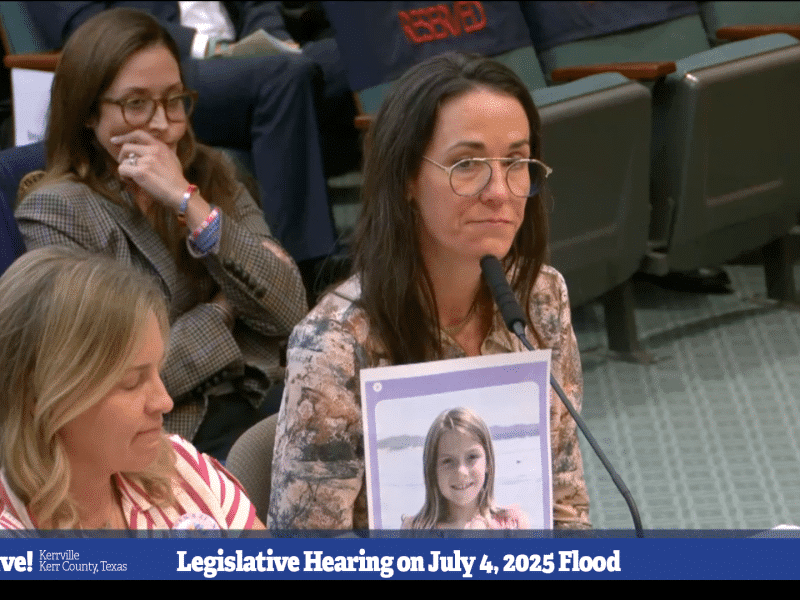
Camp Mystic faces mounting pressure to close as nine hours of testimony culminate in mother’s extraordinary plea
From legislative scolding to a surgeon’s indictment to a grieving mother turning her back on the Legislature to face the Eastlands directly, Tuesday’s hearing left little doubt about where the investigation is heading

State emergency chief details Kerr County failures, calls for overhaul of Texas disaster response
Chief Nim Kidd, director of the Texas Division of Emergency Management, testified before the joint General Investigating Committee on the July 2025 Flooding Events, delivering both a frank accounting of local failures and a set of proposed legislative reforms he said are long overdue.
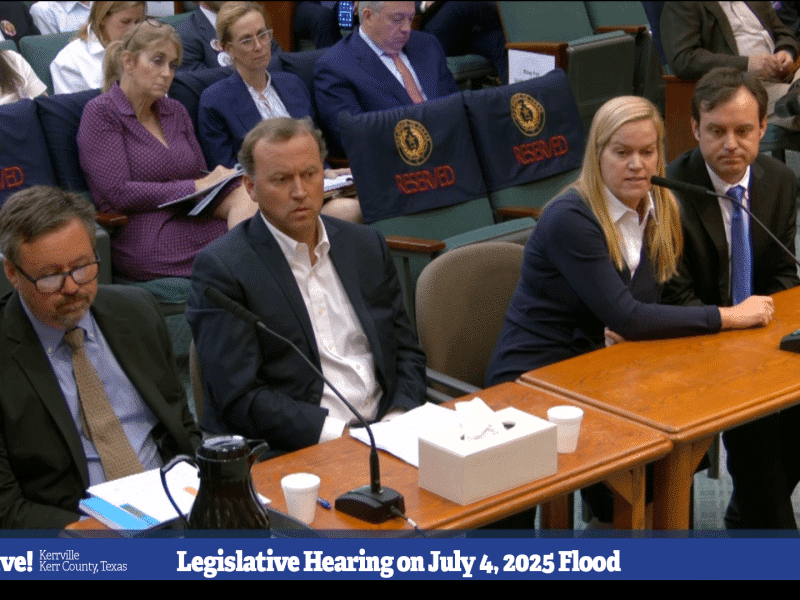
“Y’all will not be an operator next season”: Legislators scold Eastland family over flood deaths, compliance failures
The blunt assessment set the tone for a four-hour hearing in which legislators admonished the operators of Camp Mystic on multiple fronts — from the failure to evacuate 27 people who died in the July 4, 2025, flood to an ongoing violation of state law that has persisted for 10 months.
Comments (0)
There are no comments on this article.