
United in grief, United in Recovery: The story of July 4, 2025
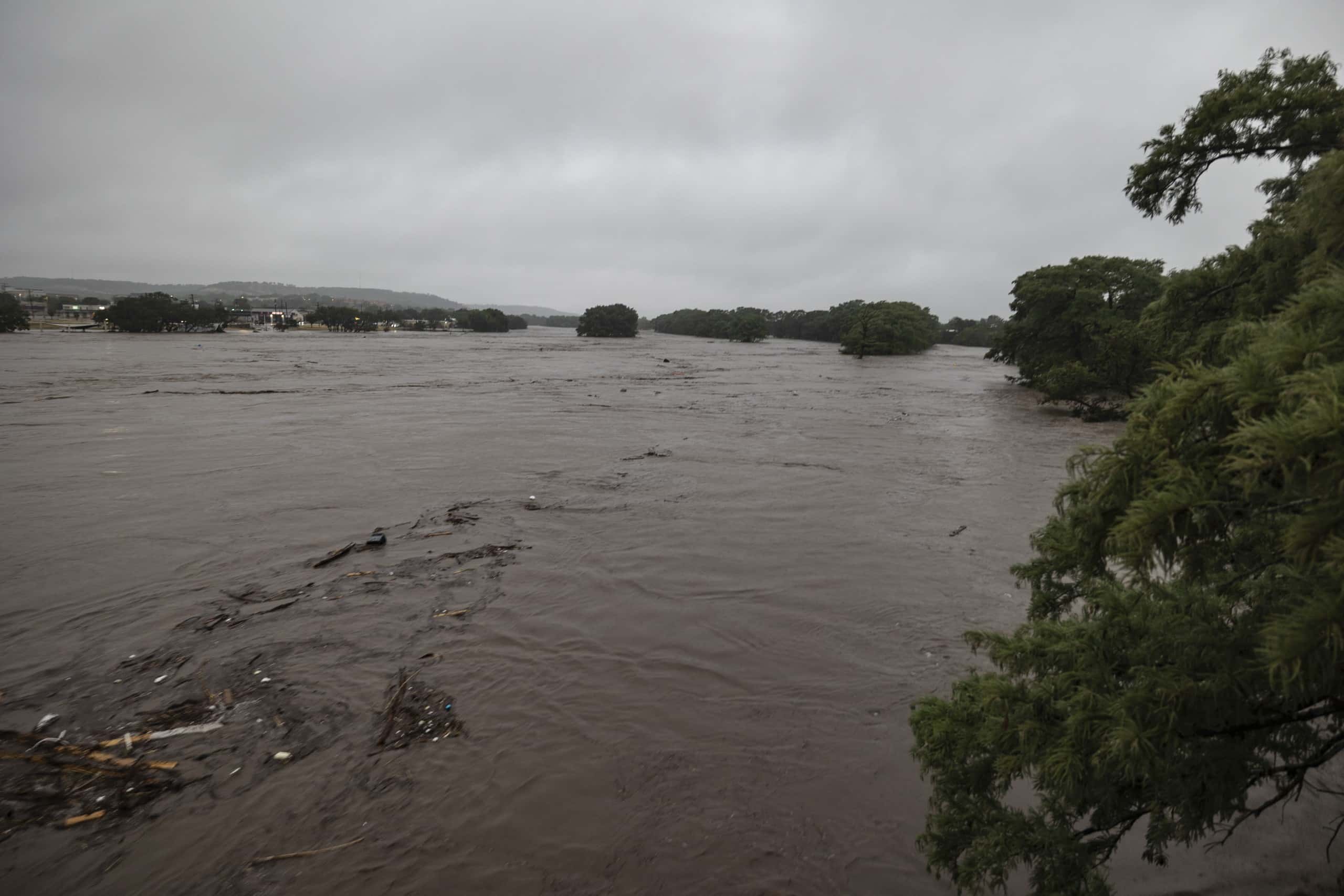
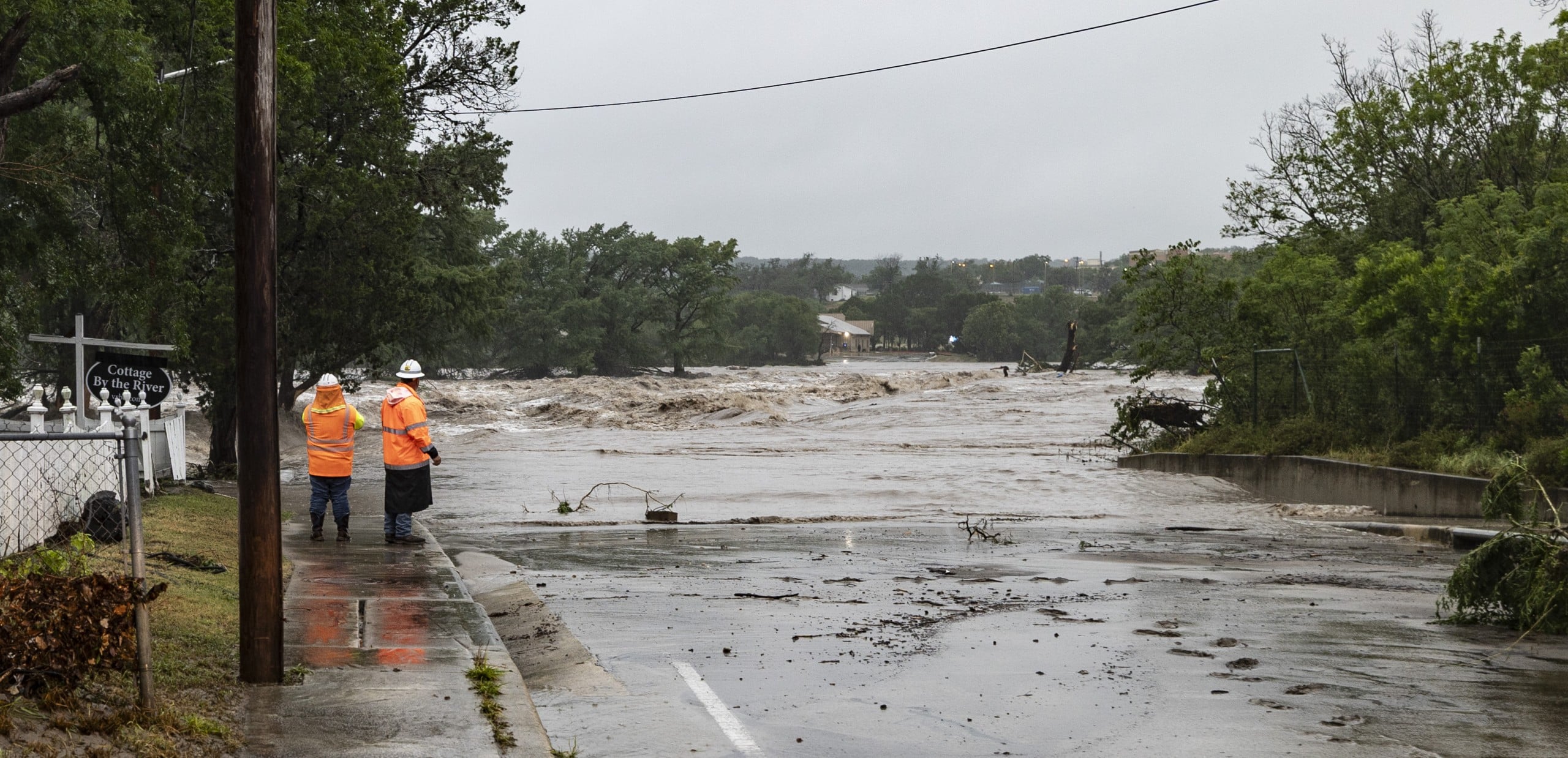
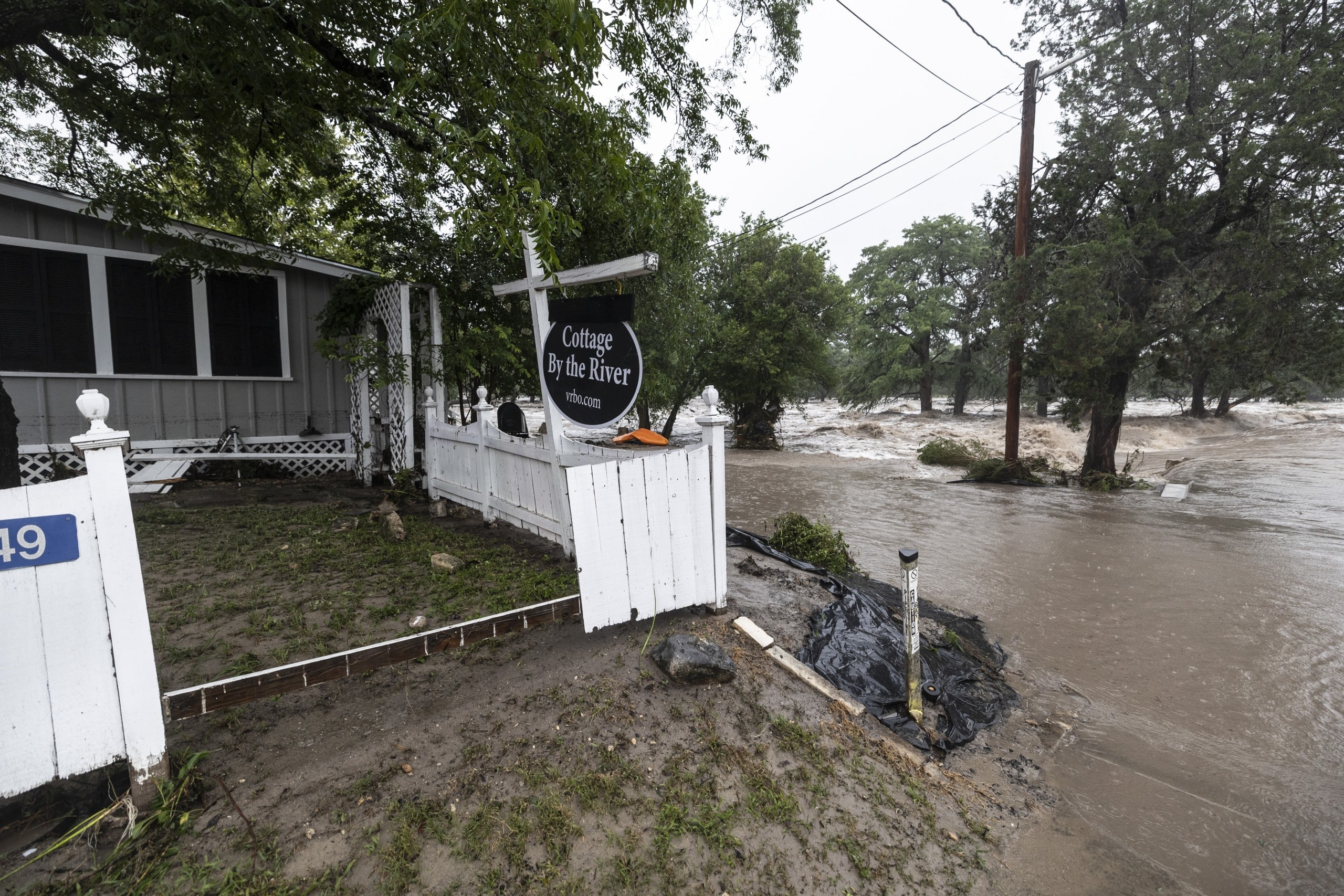
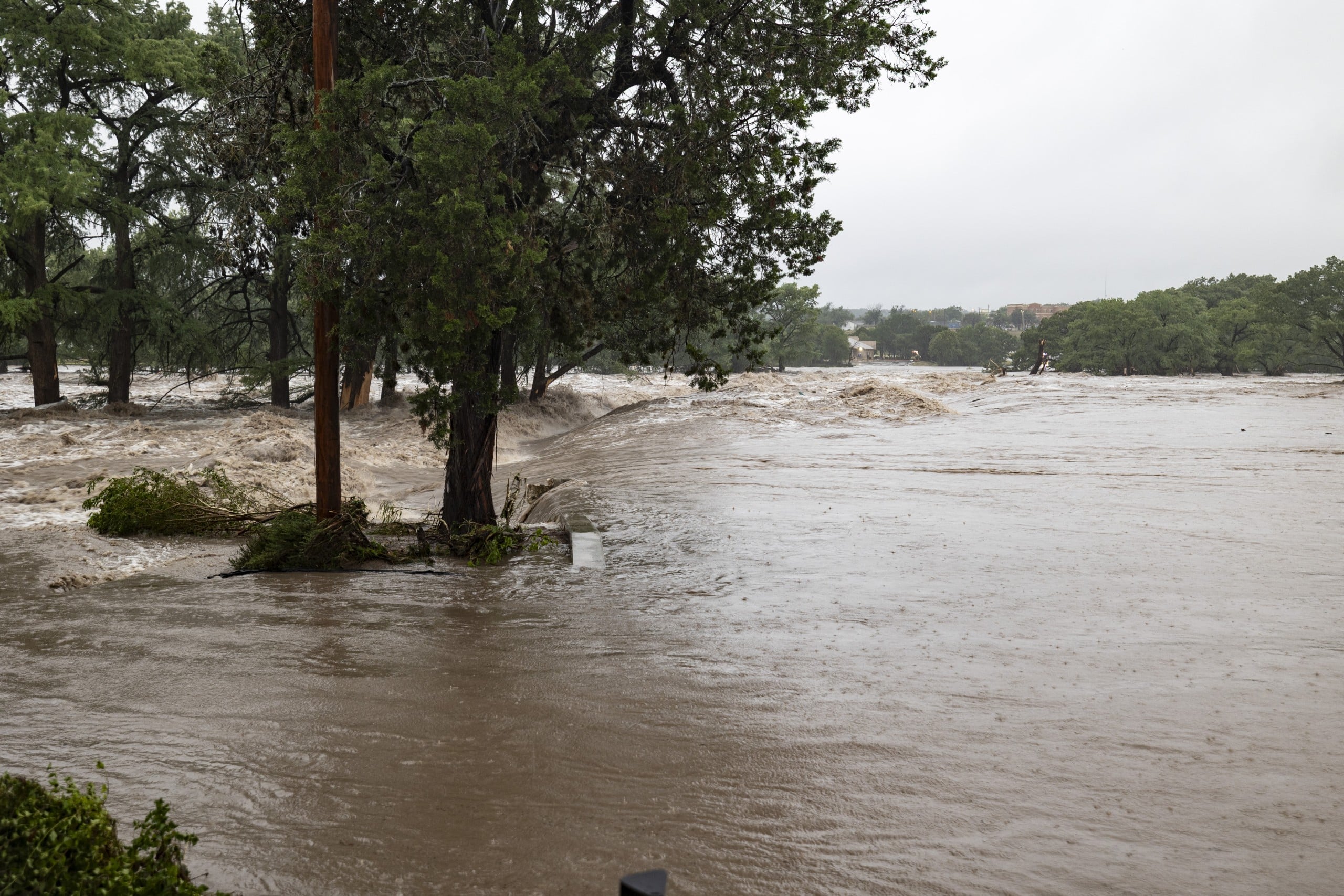
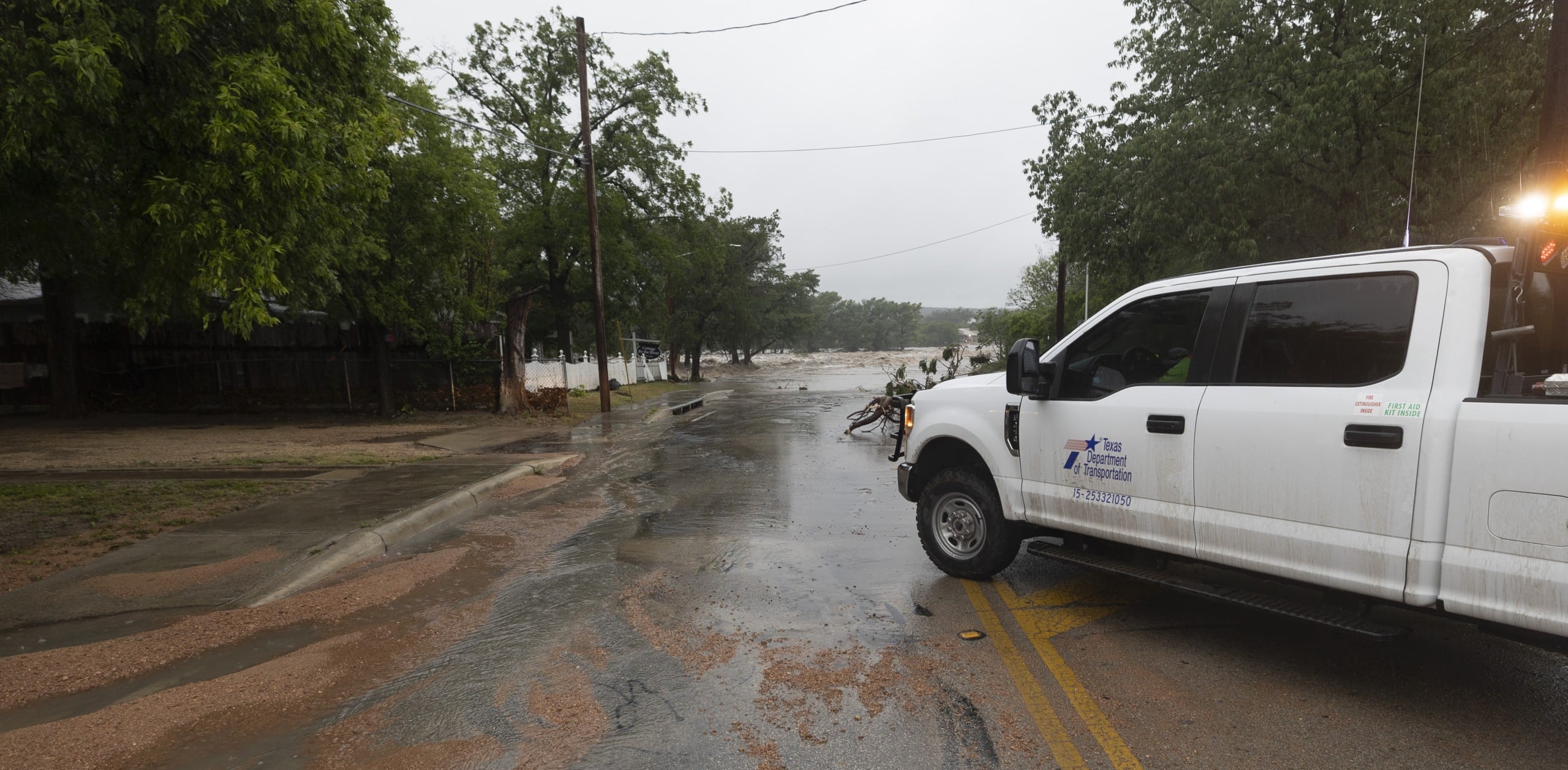
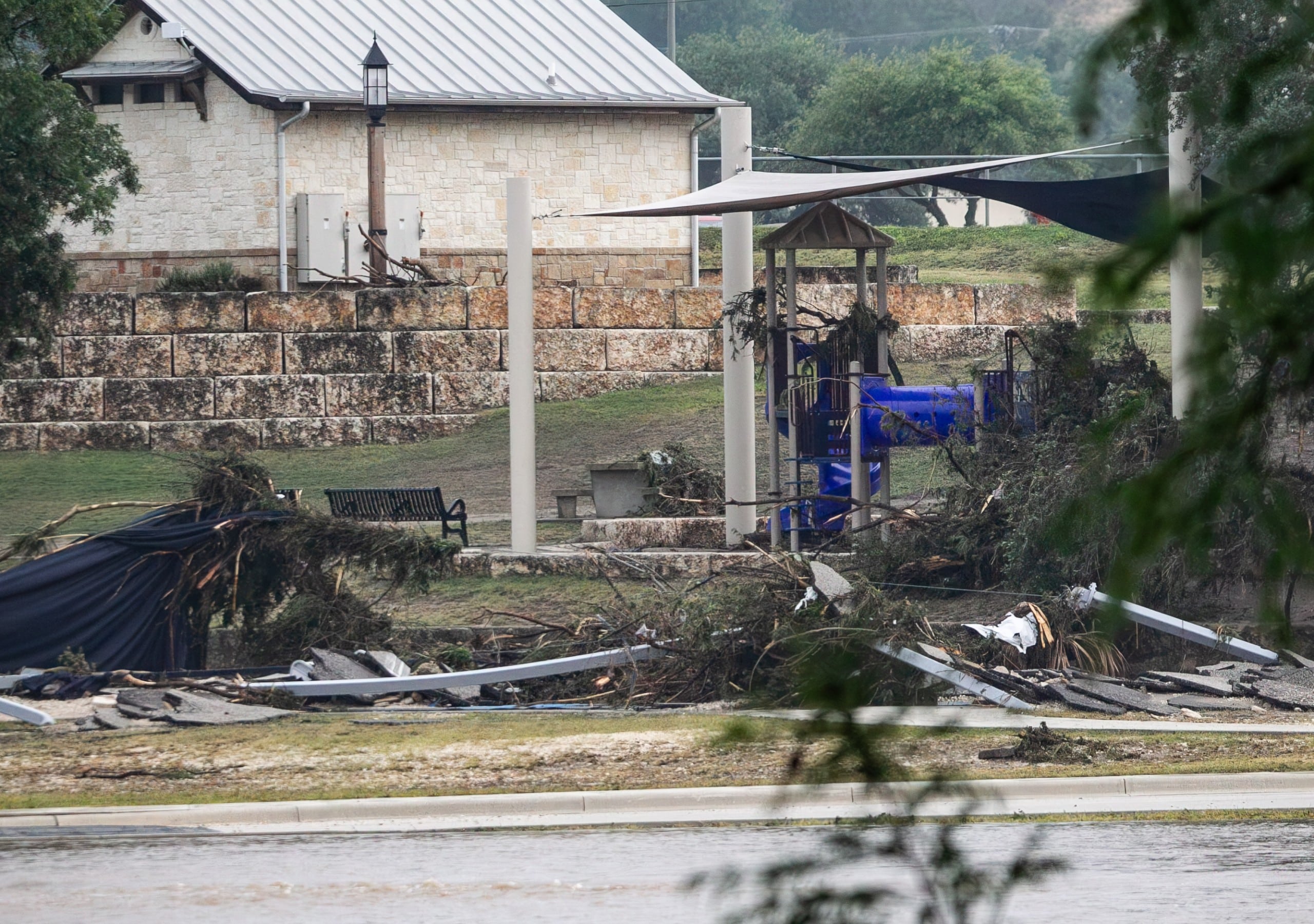
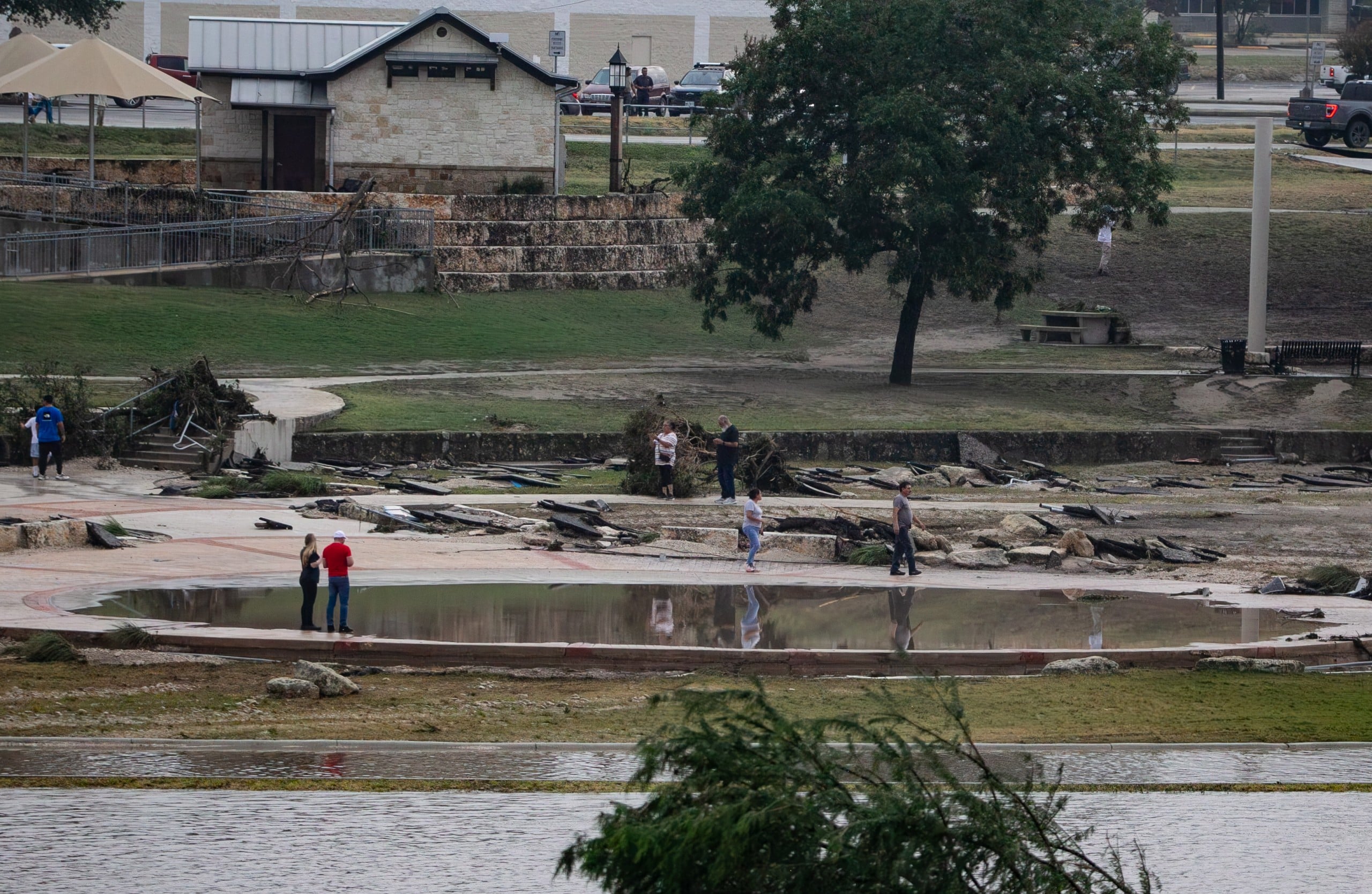
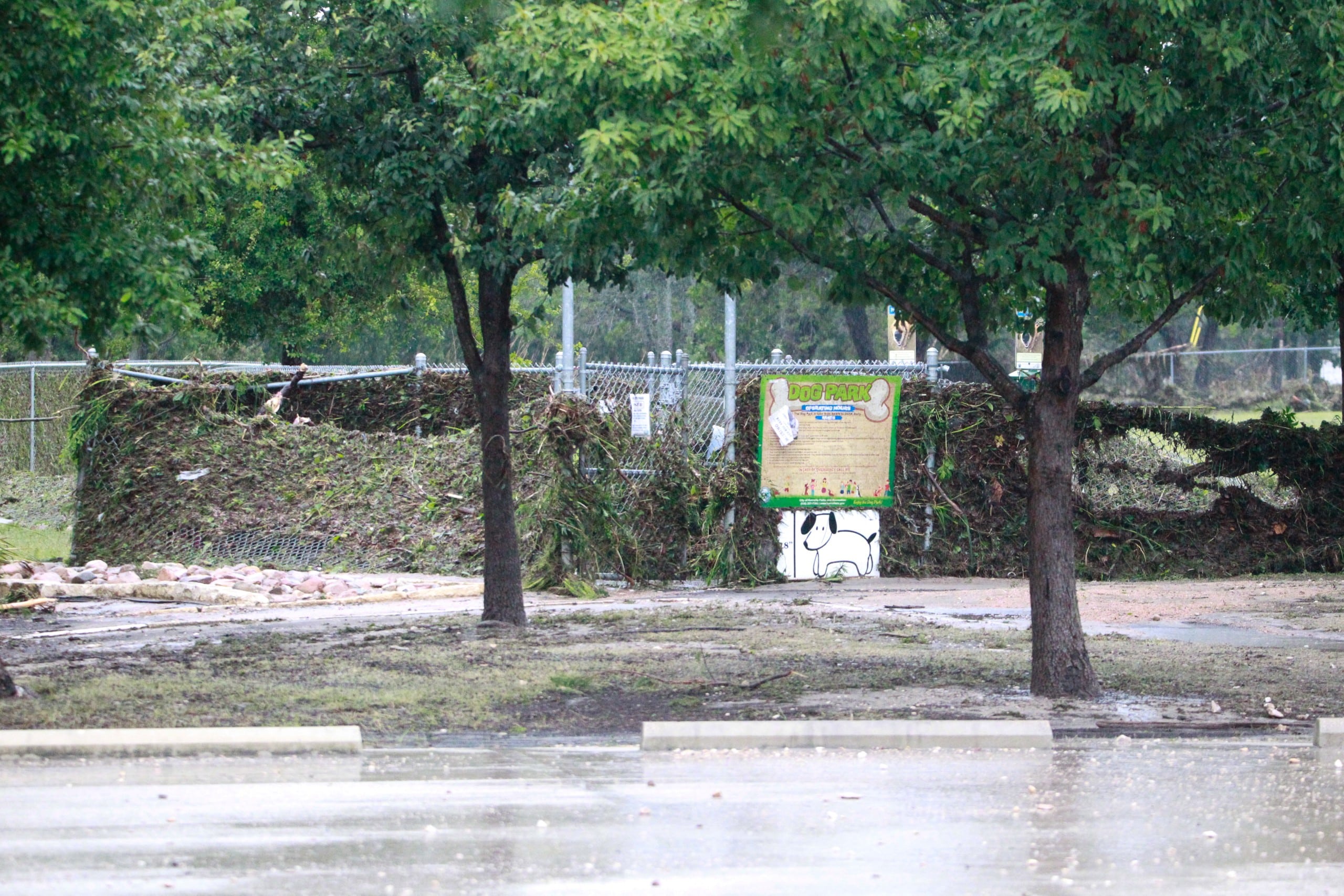
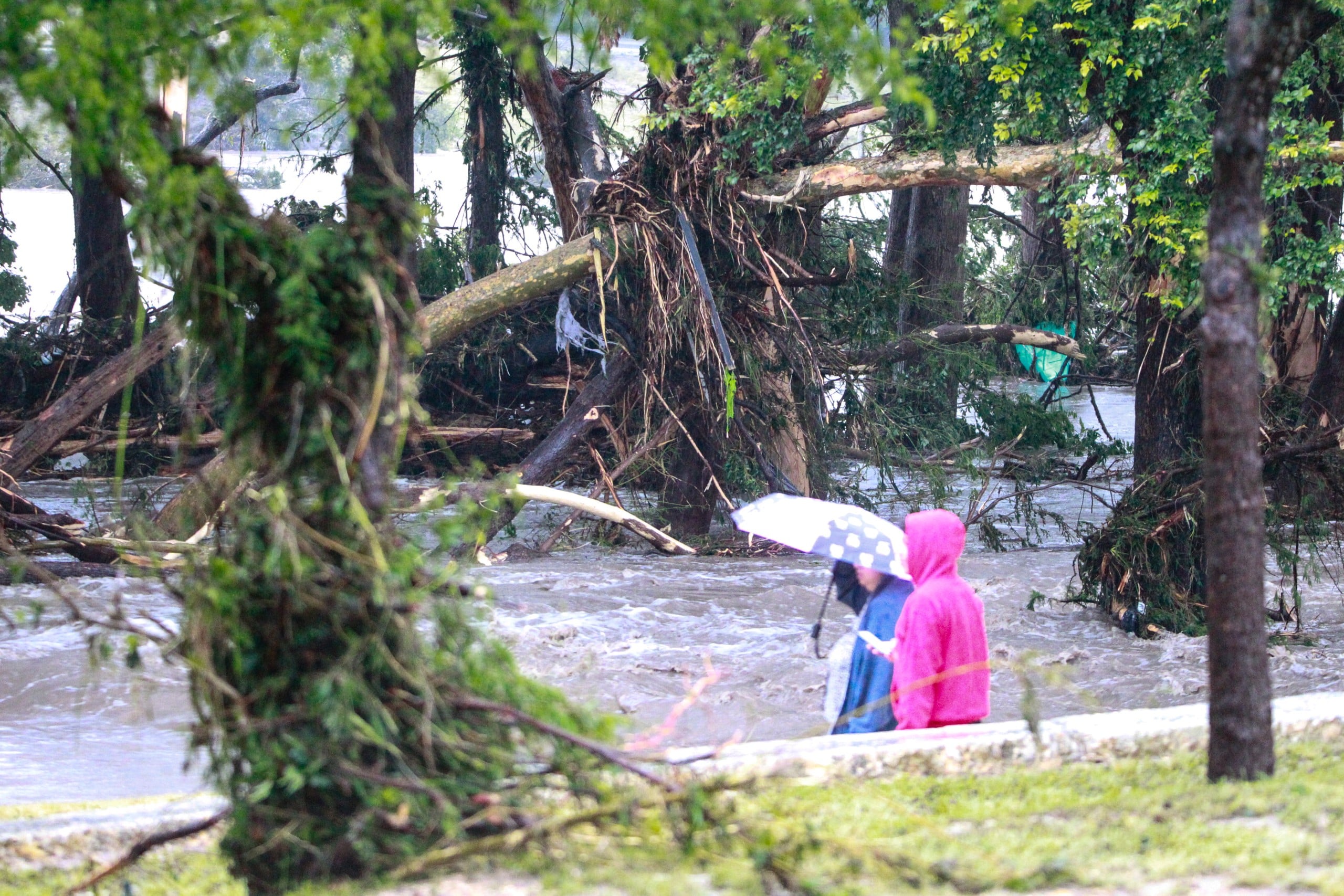
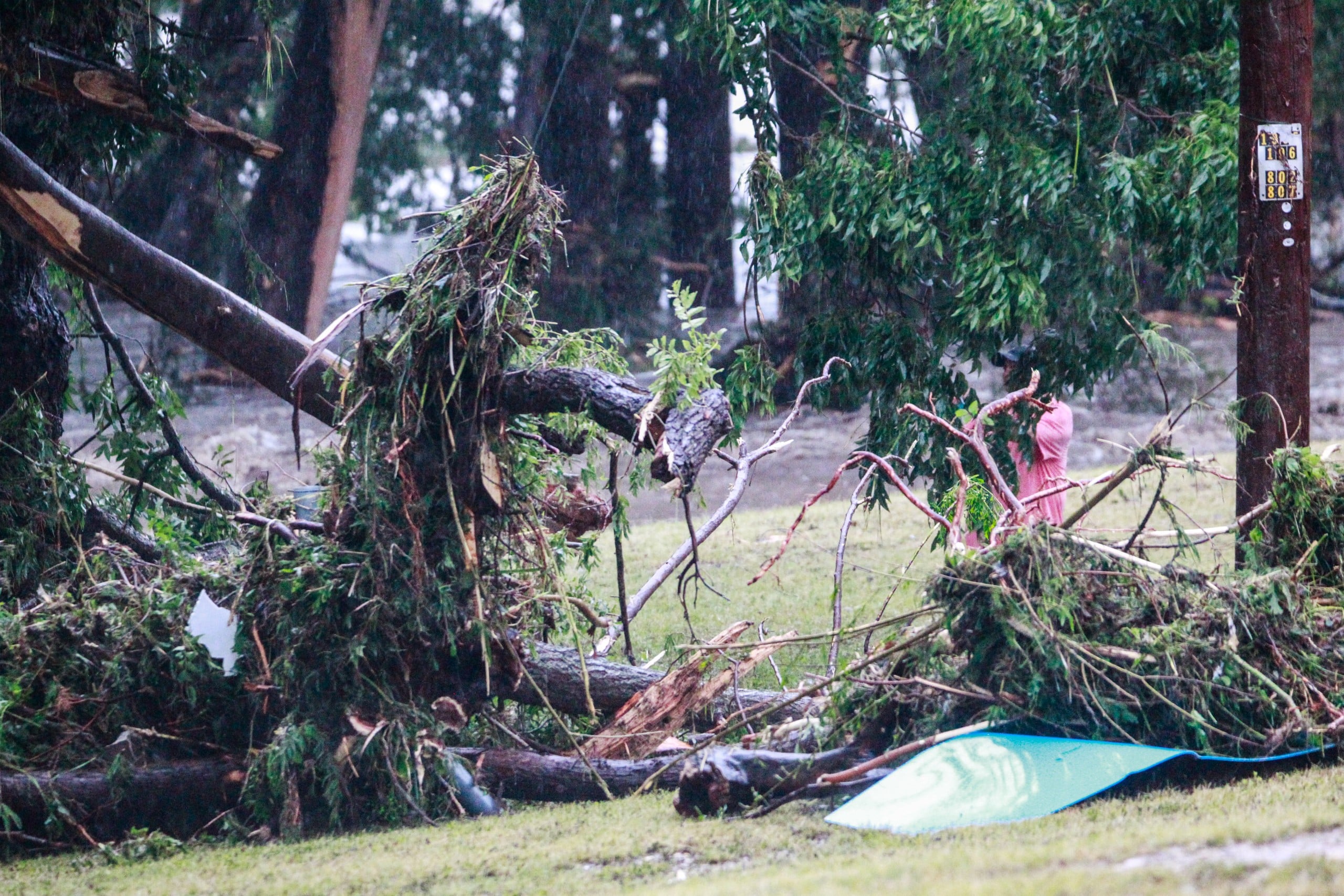
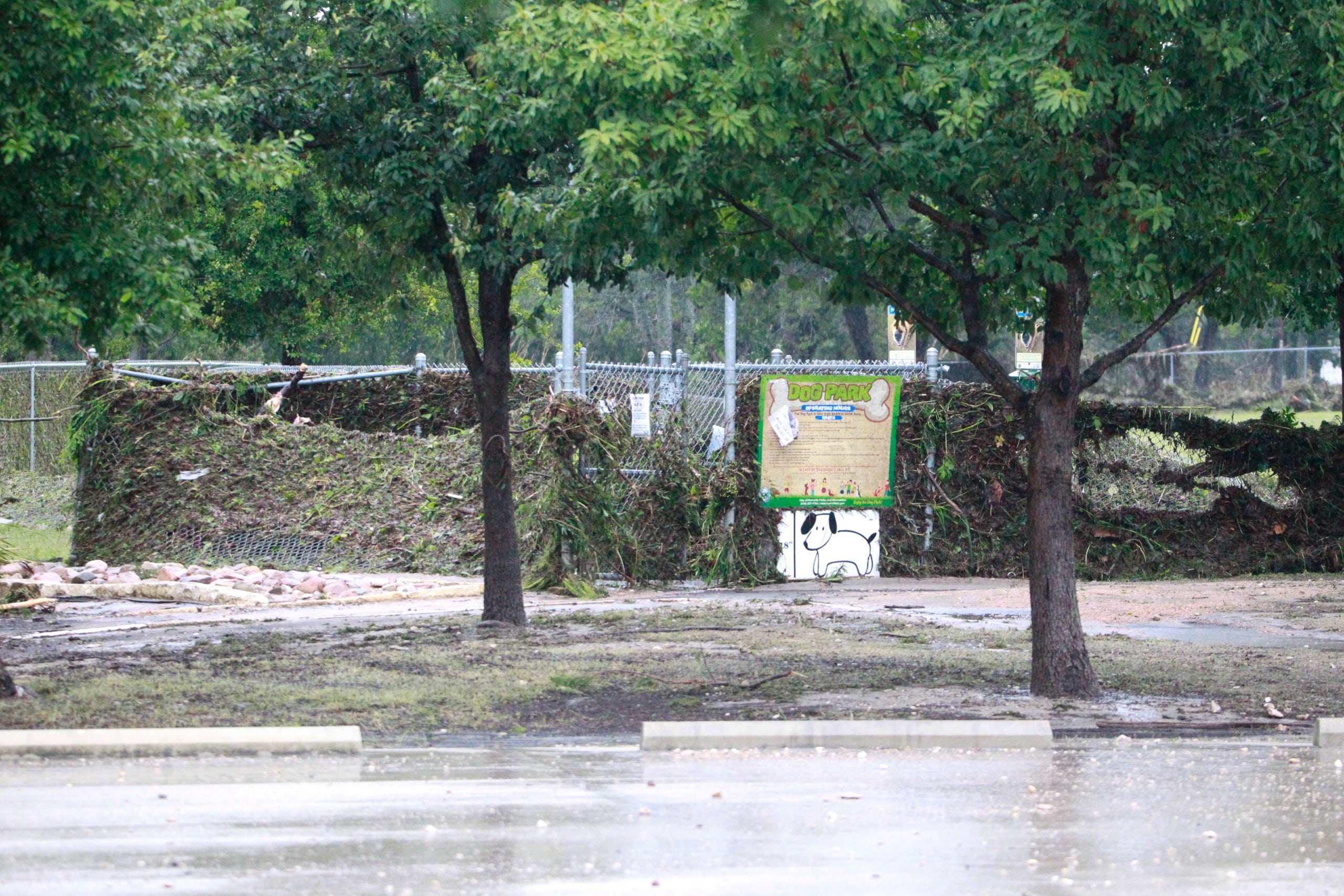
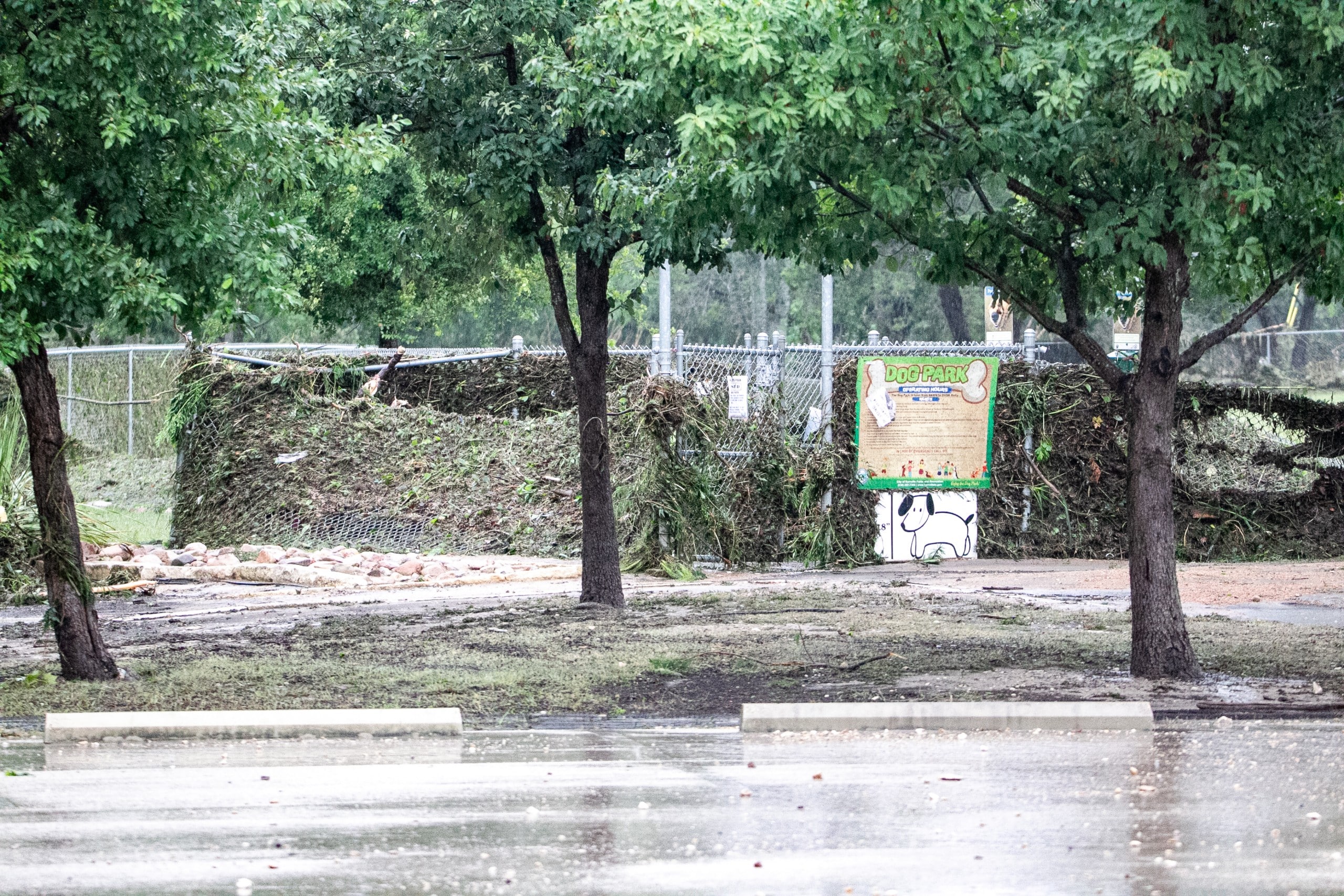
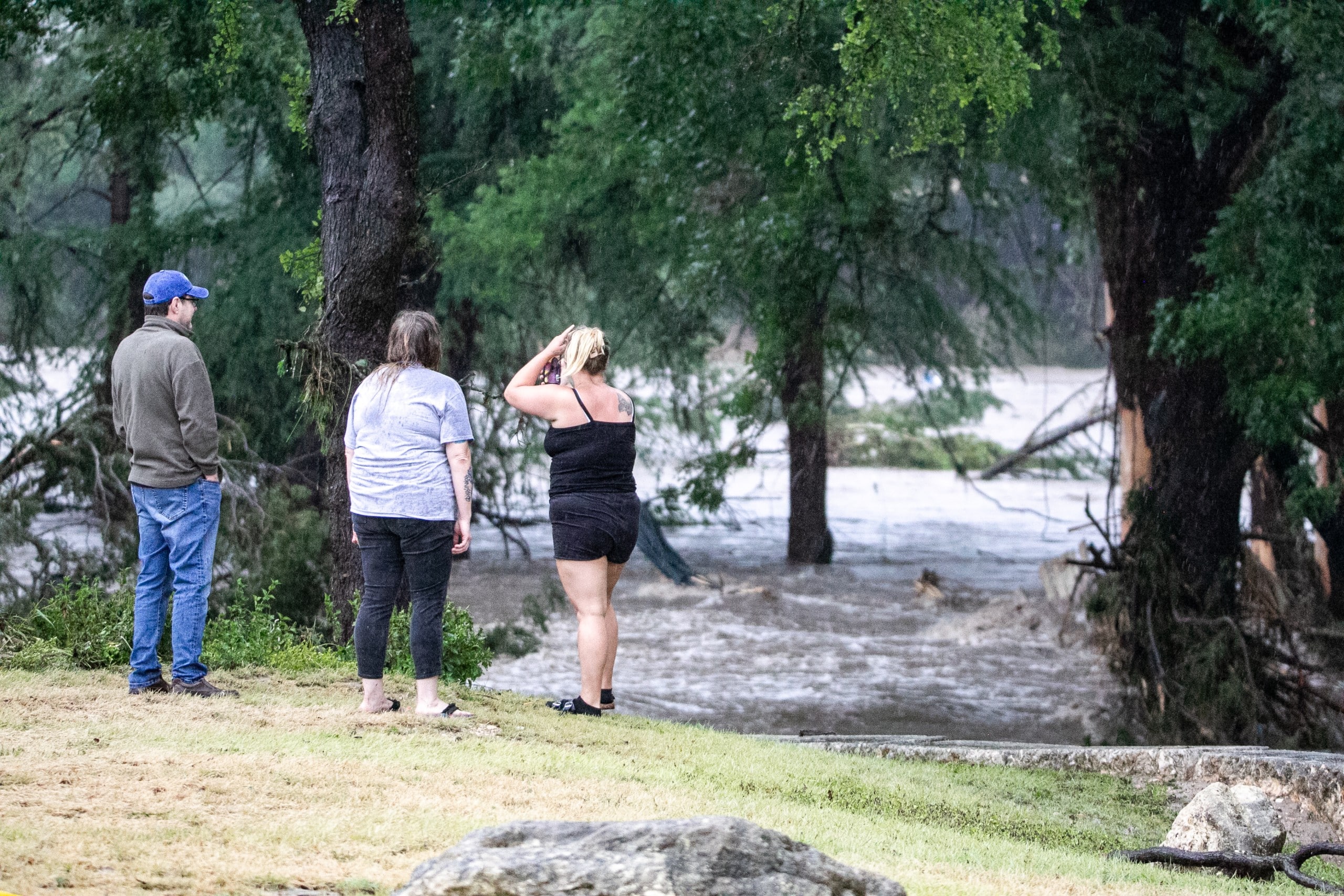
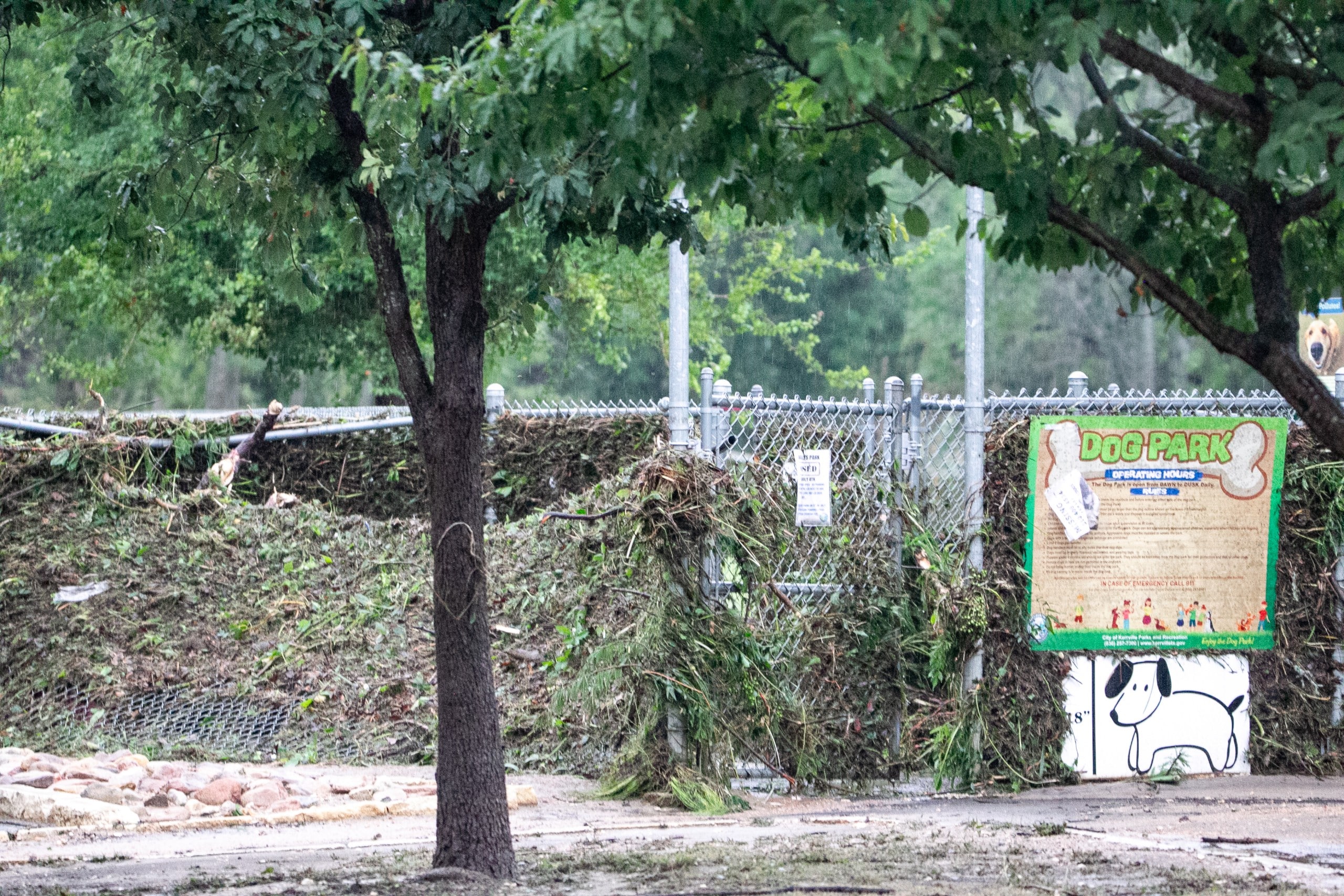
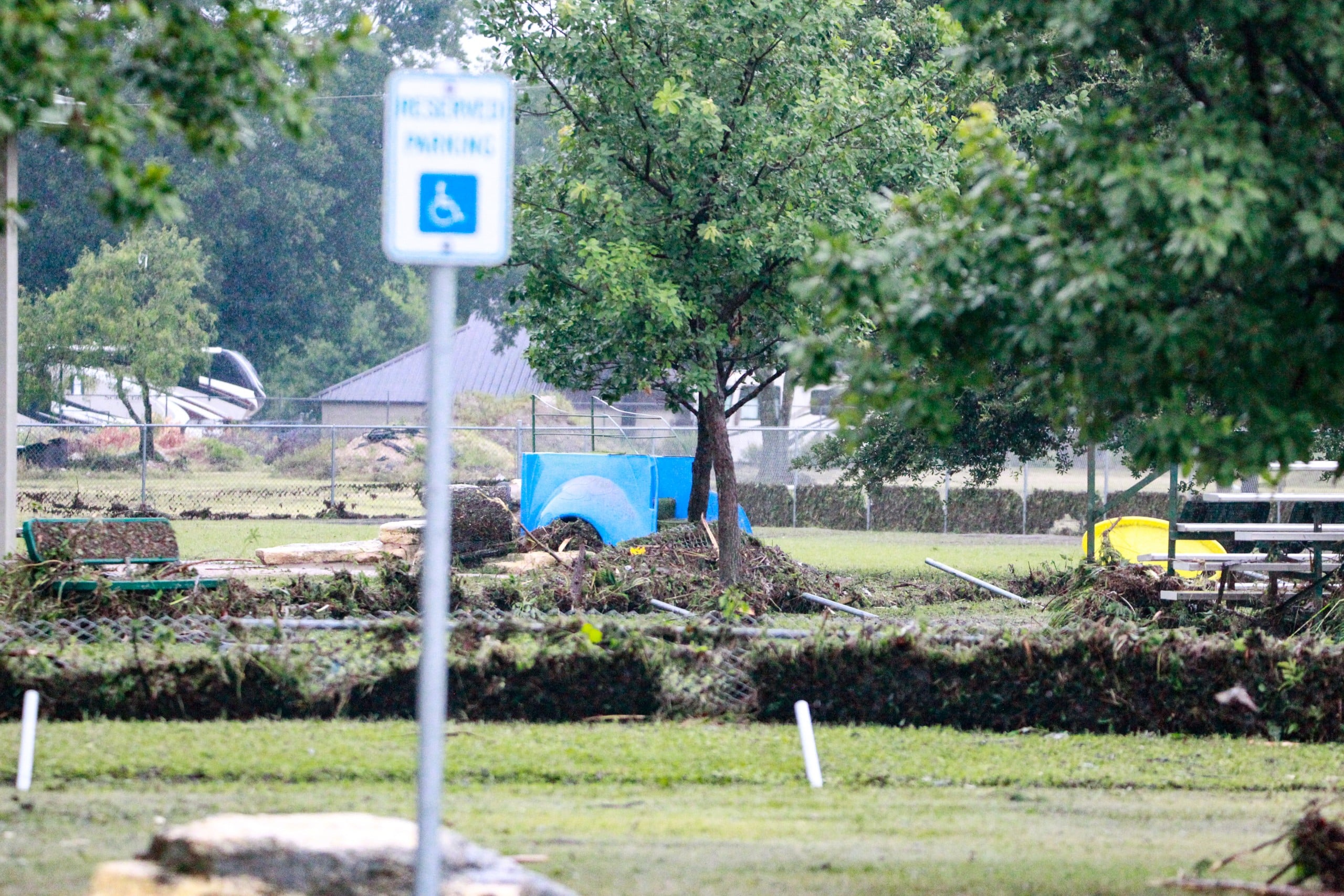
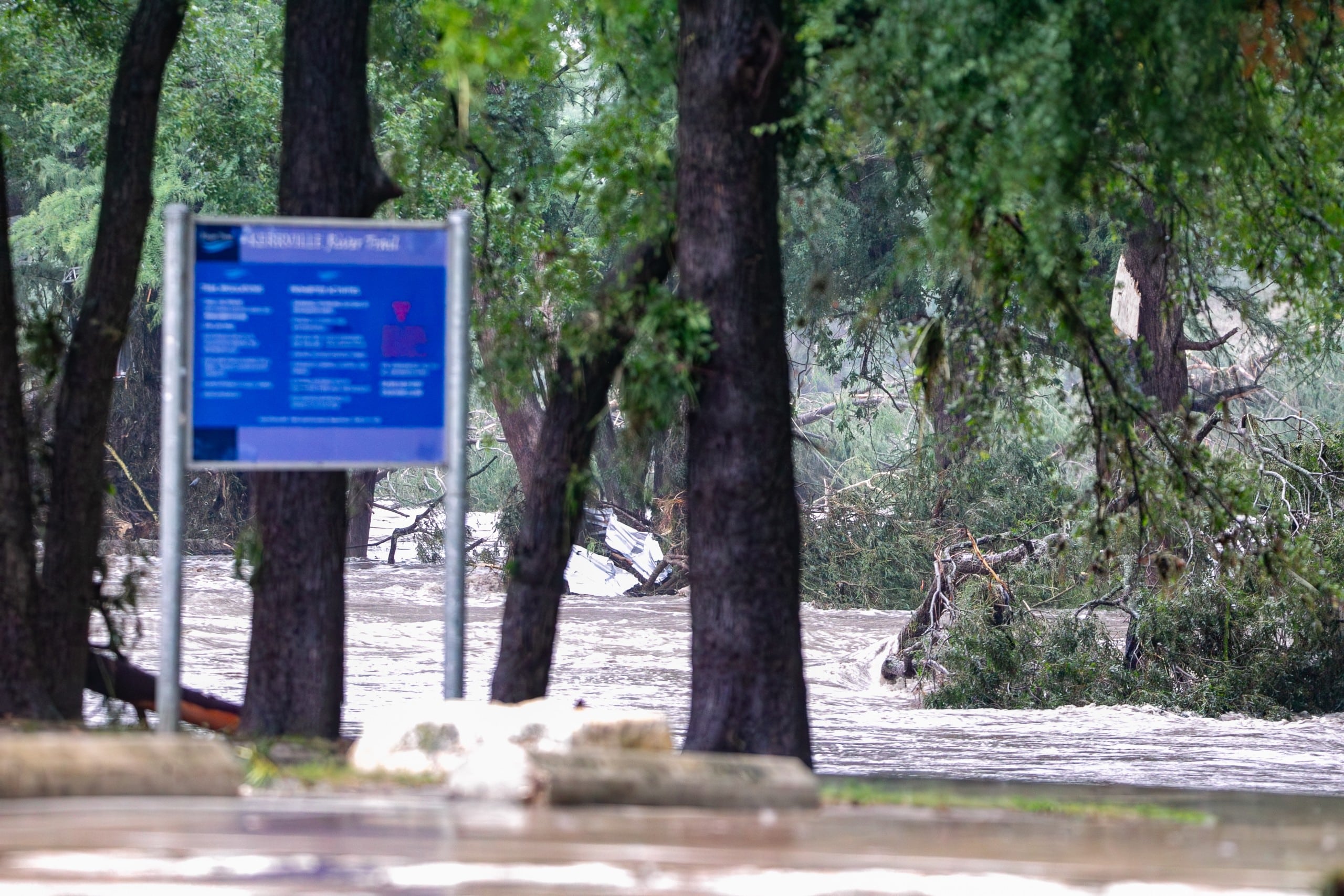
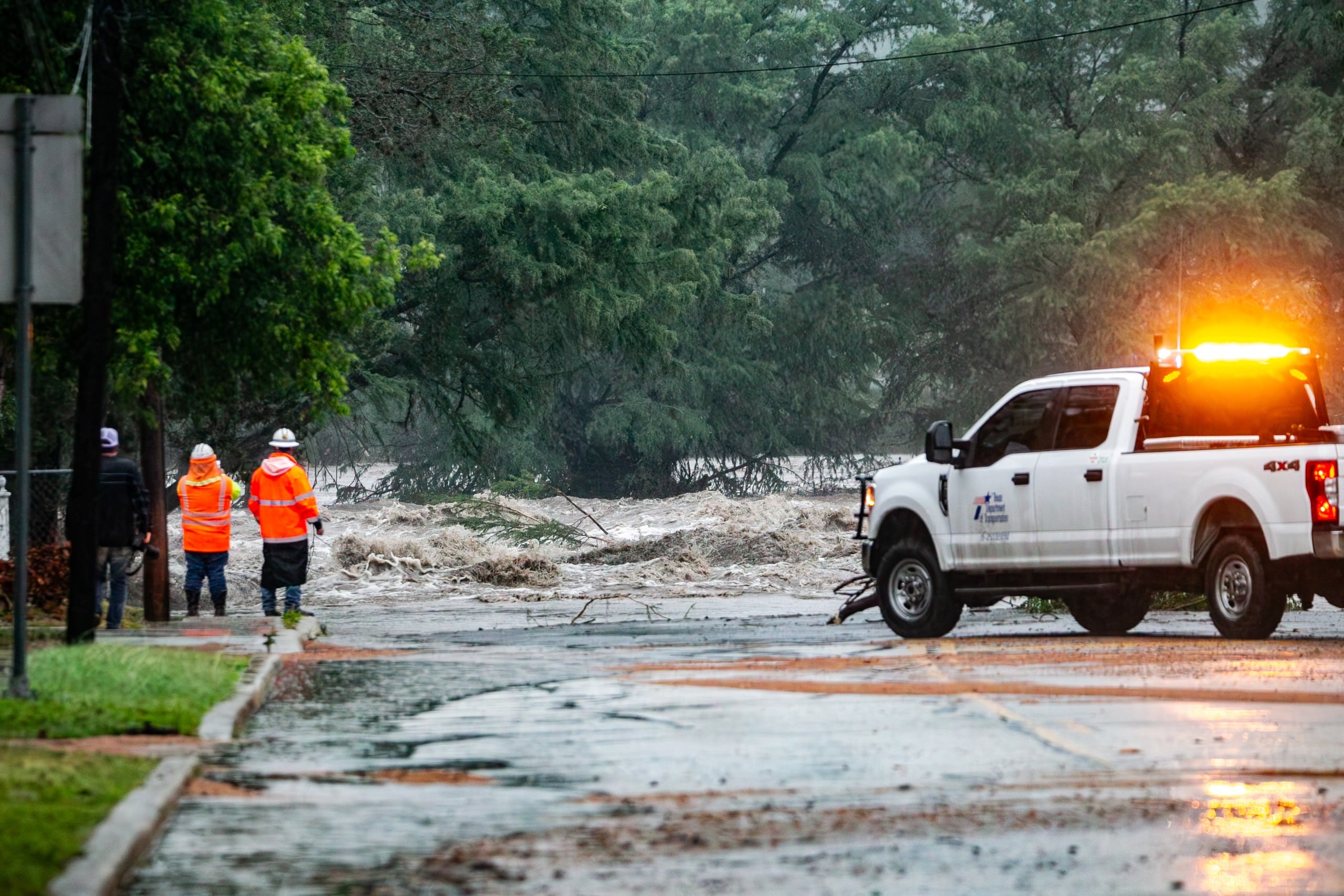
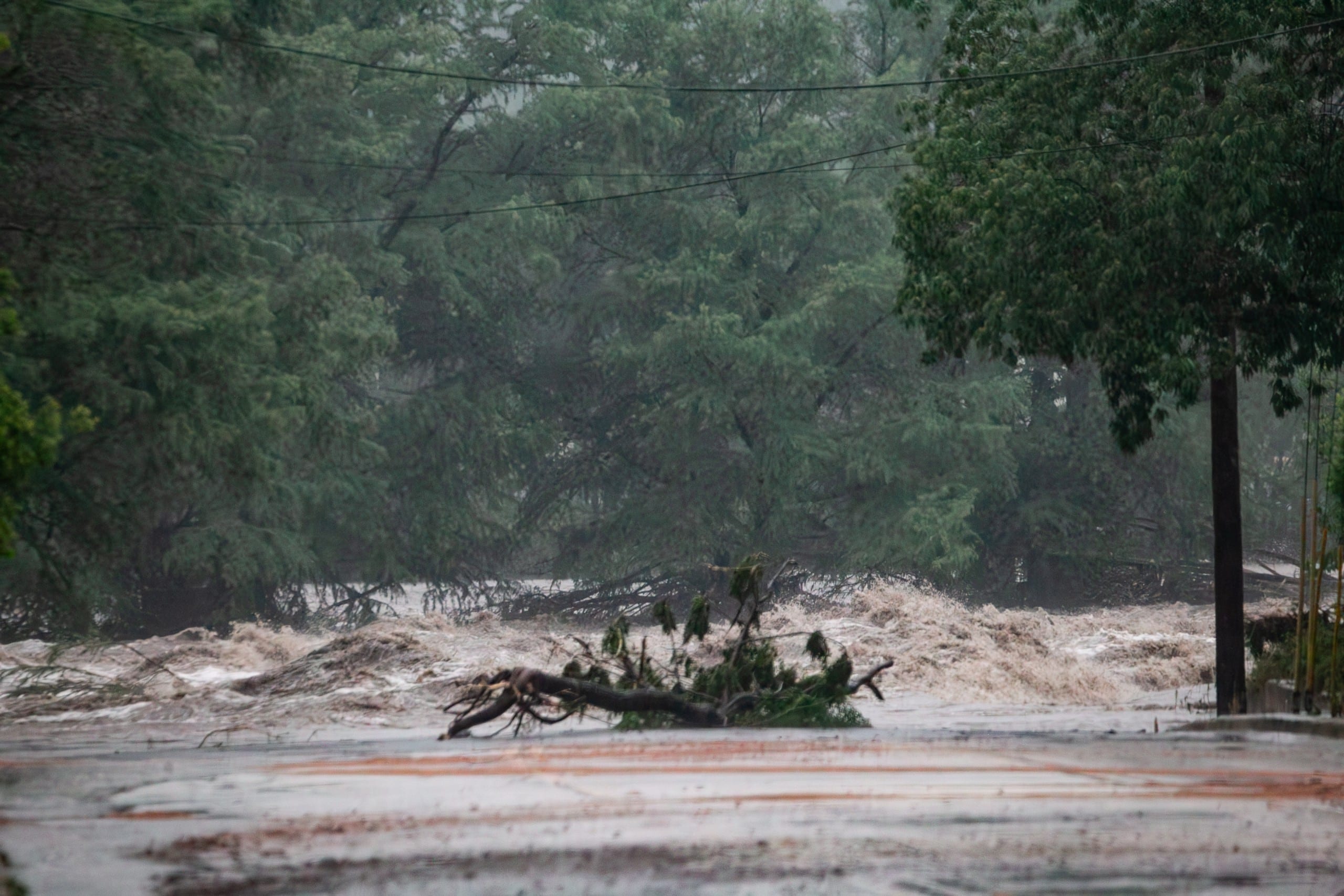
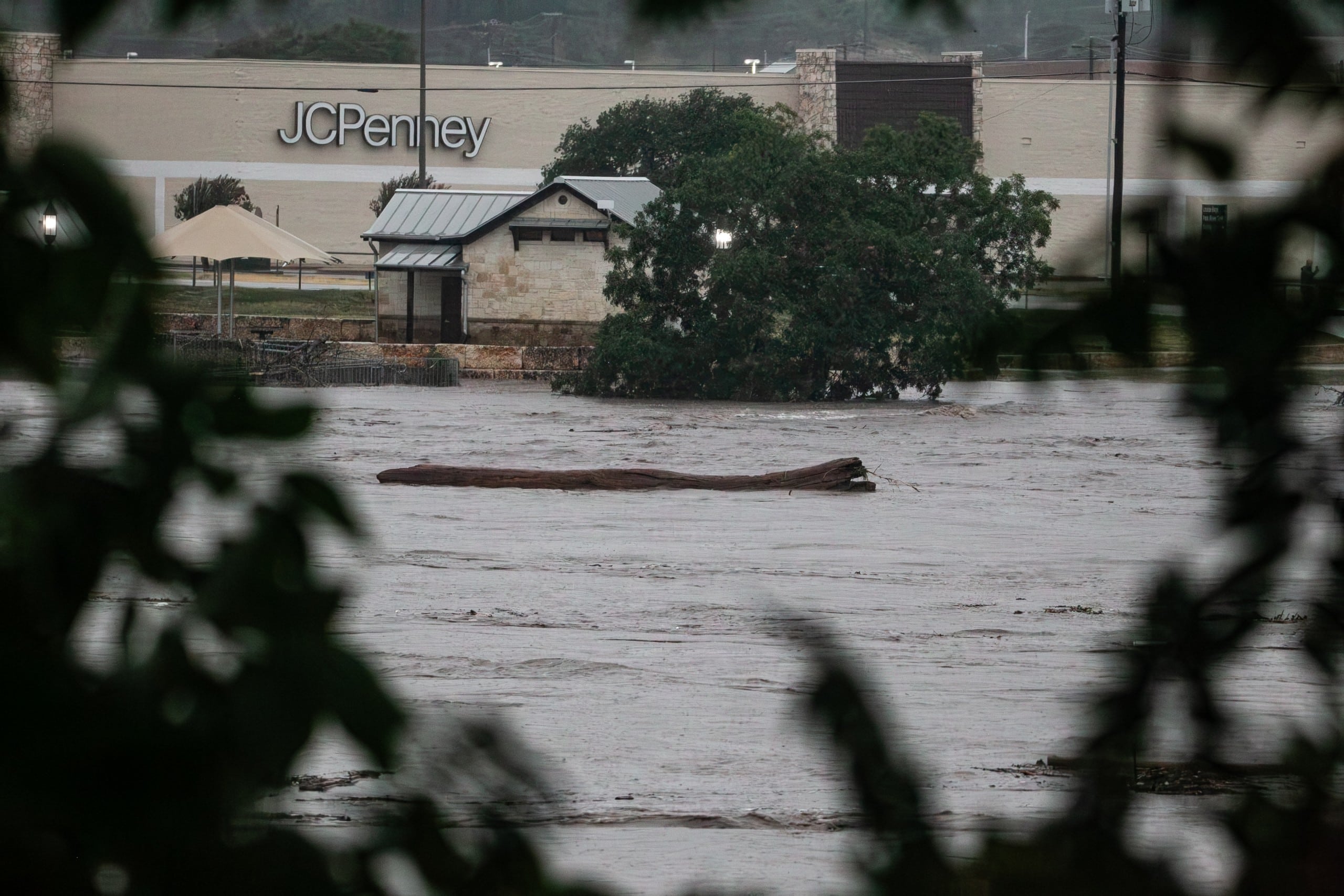
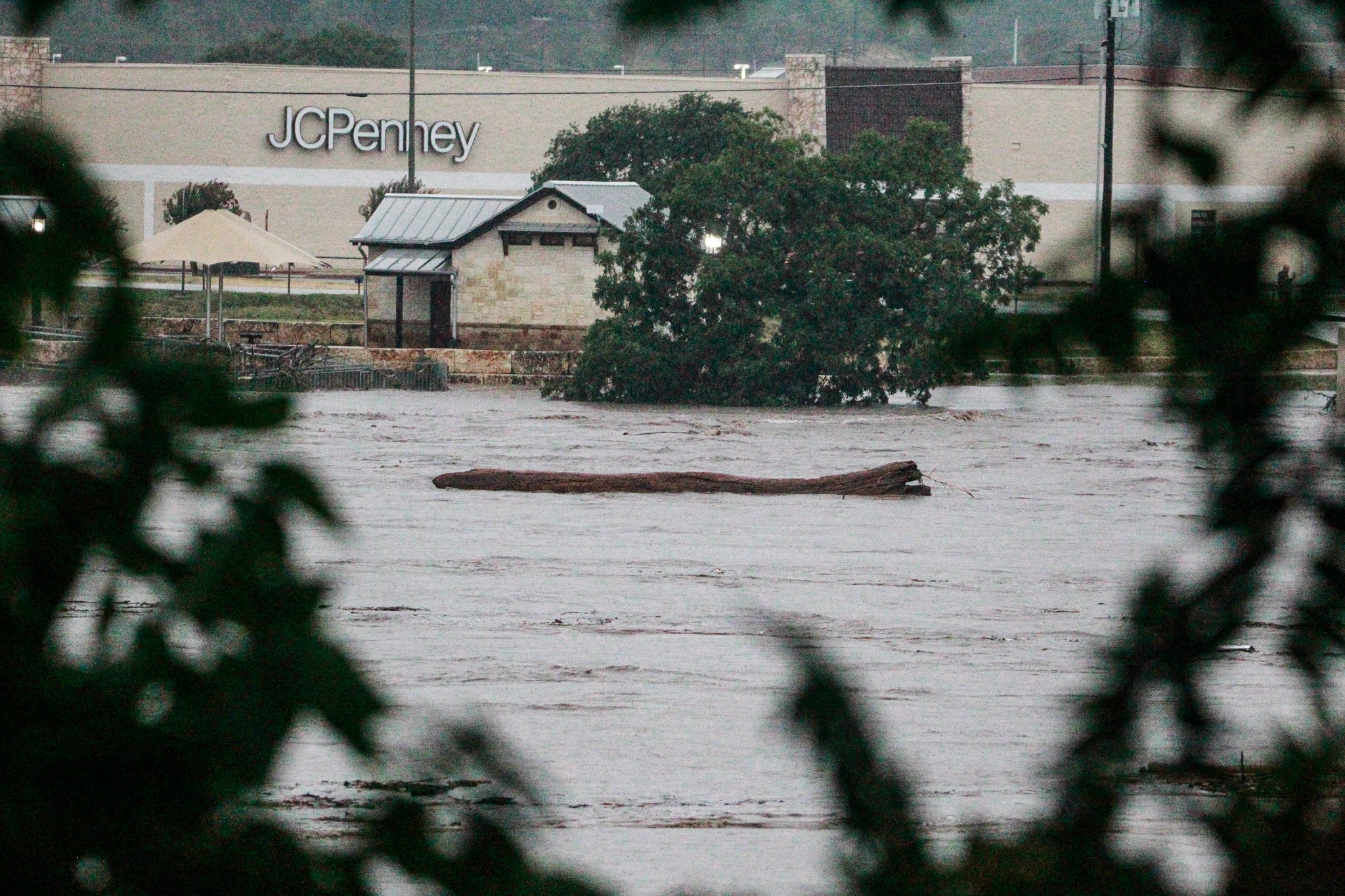
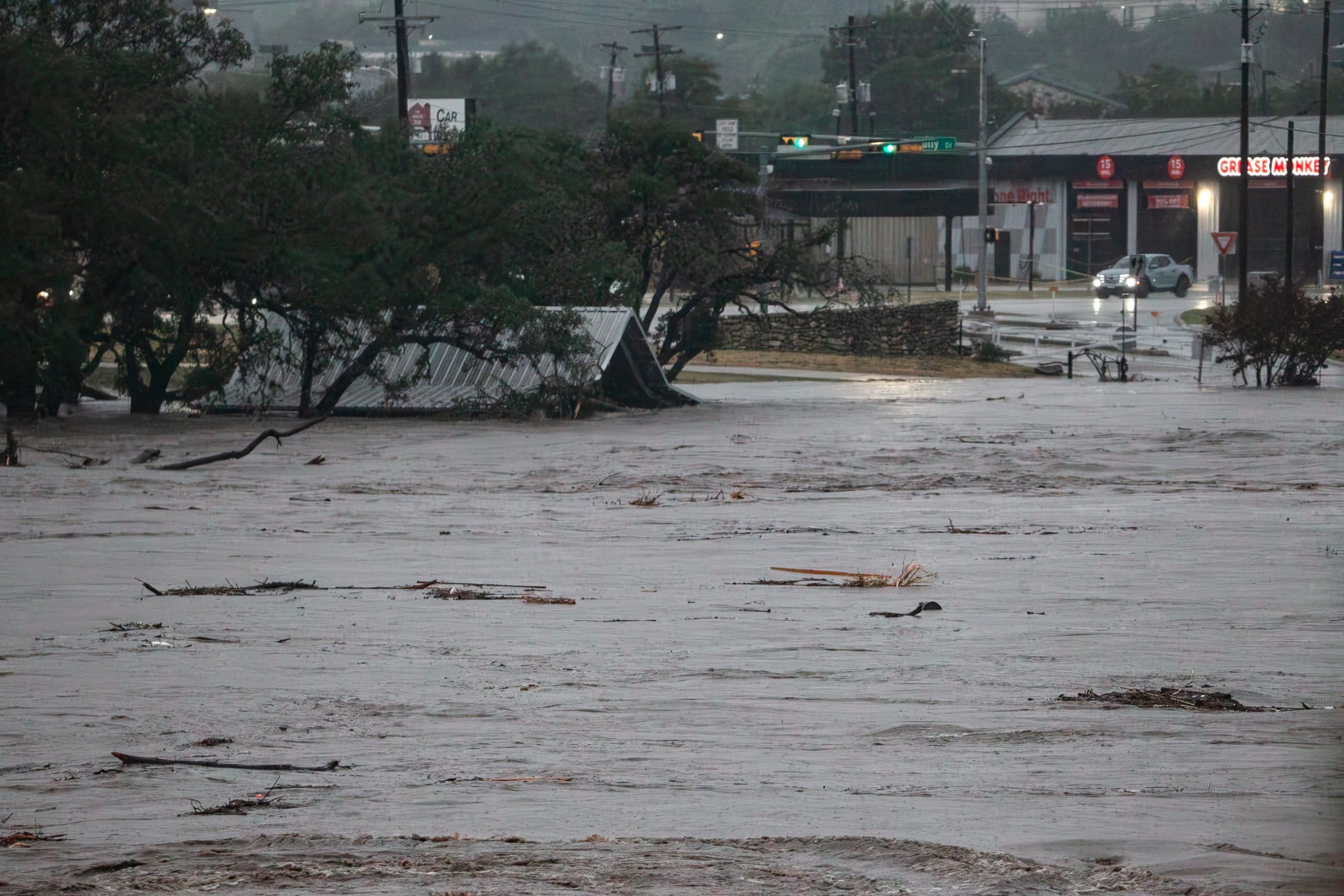
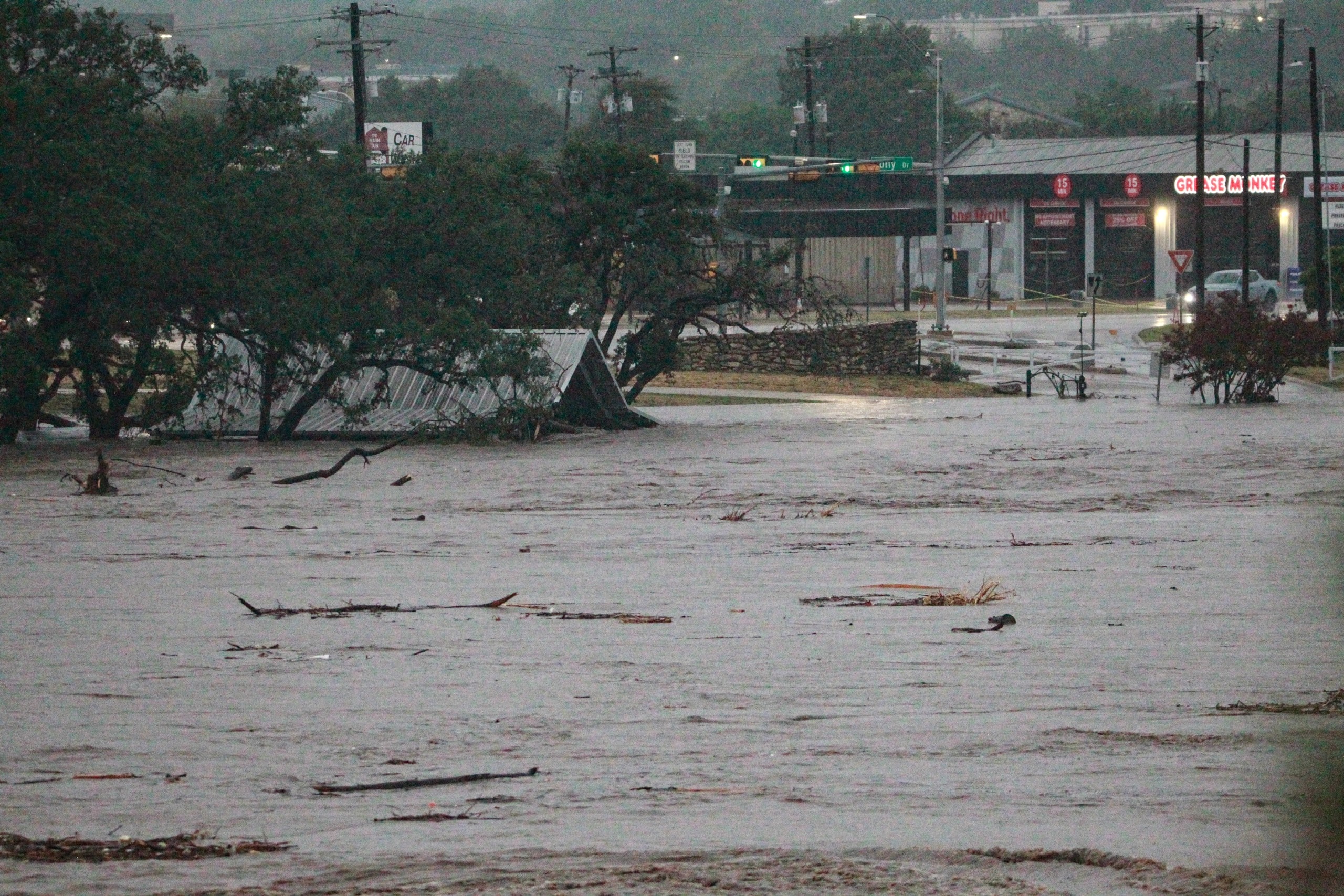
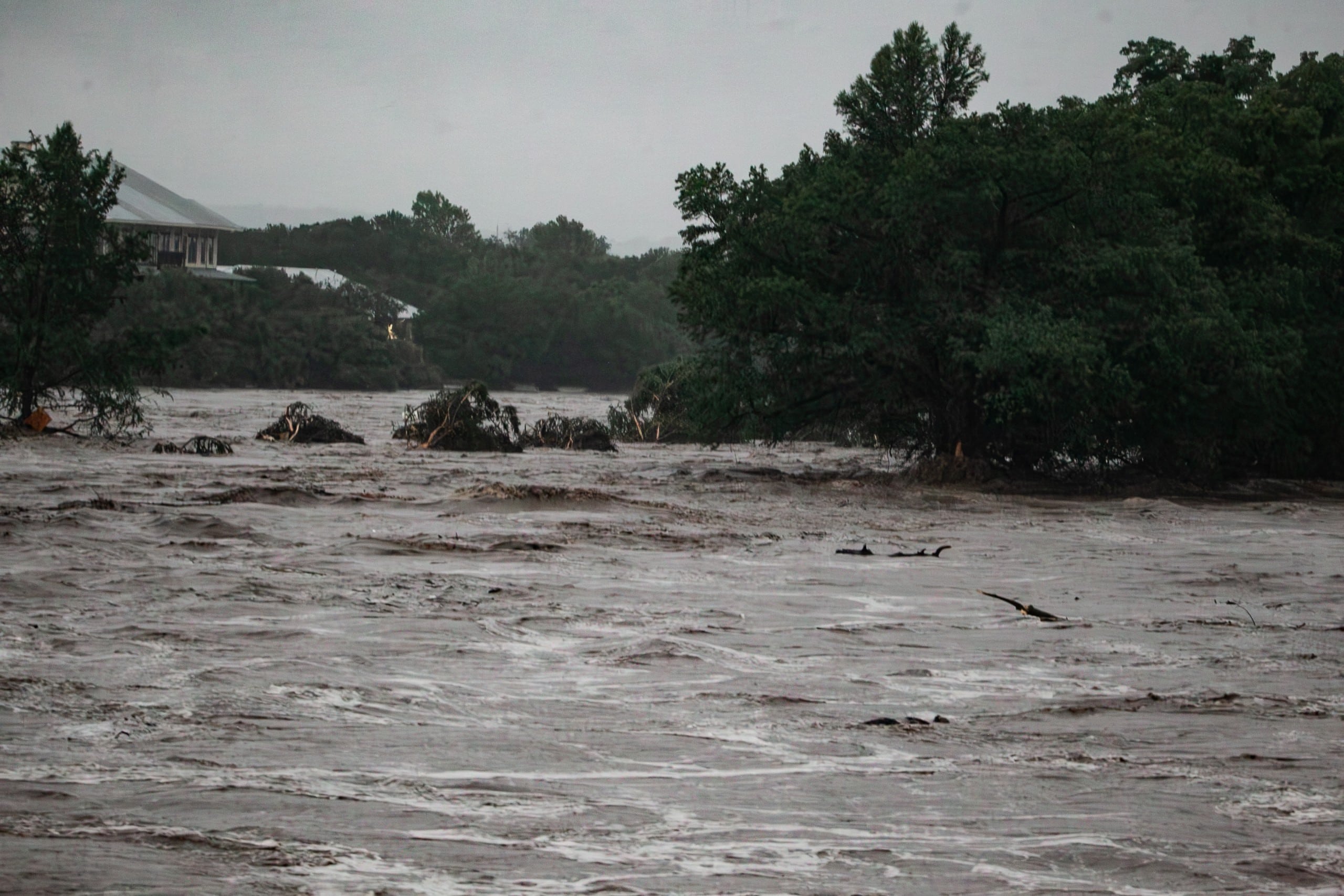
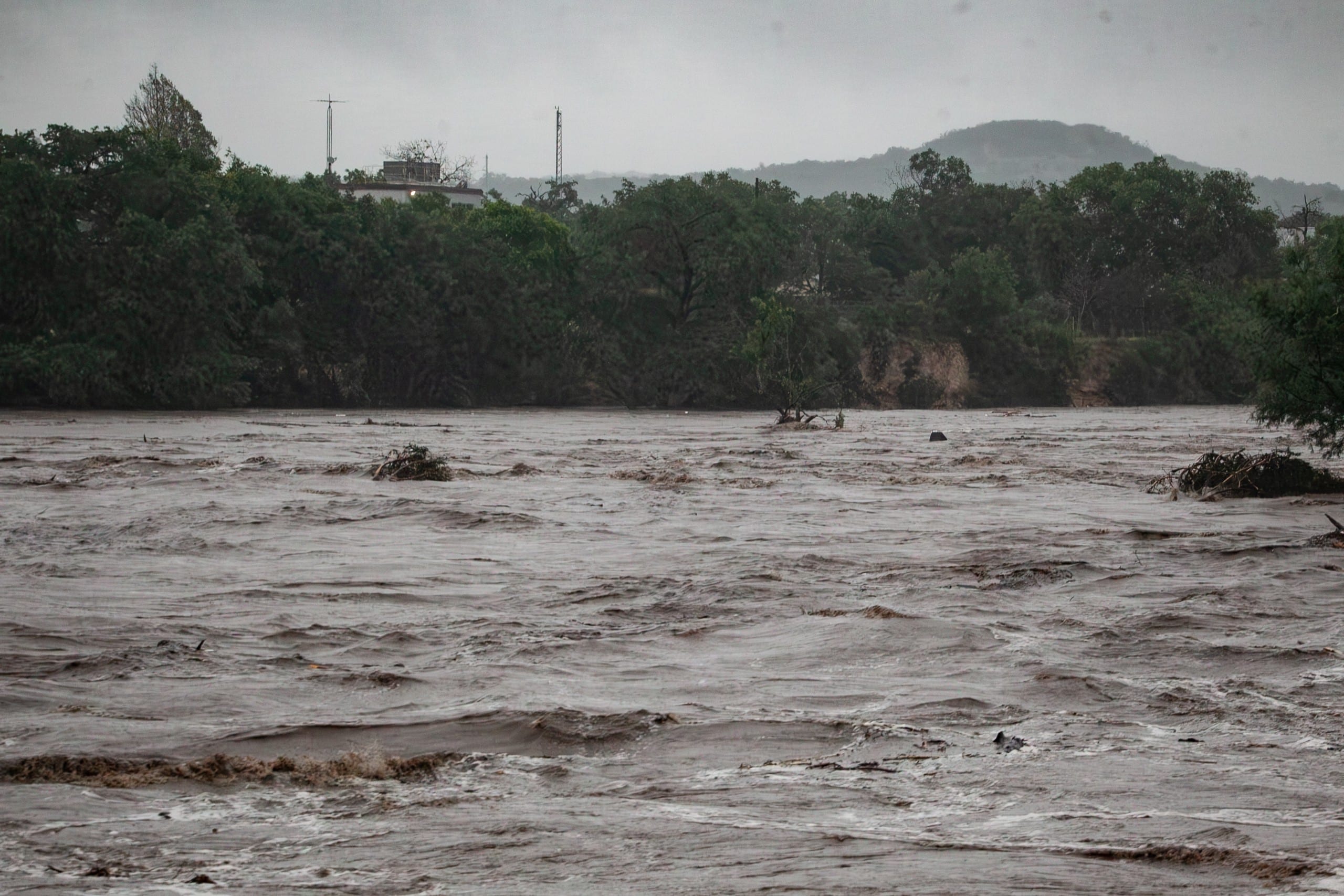
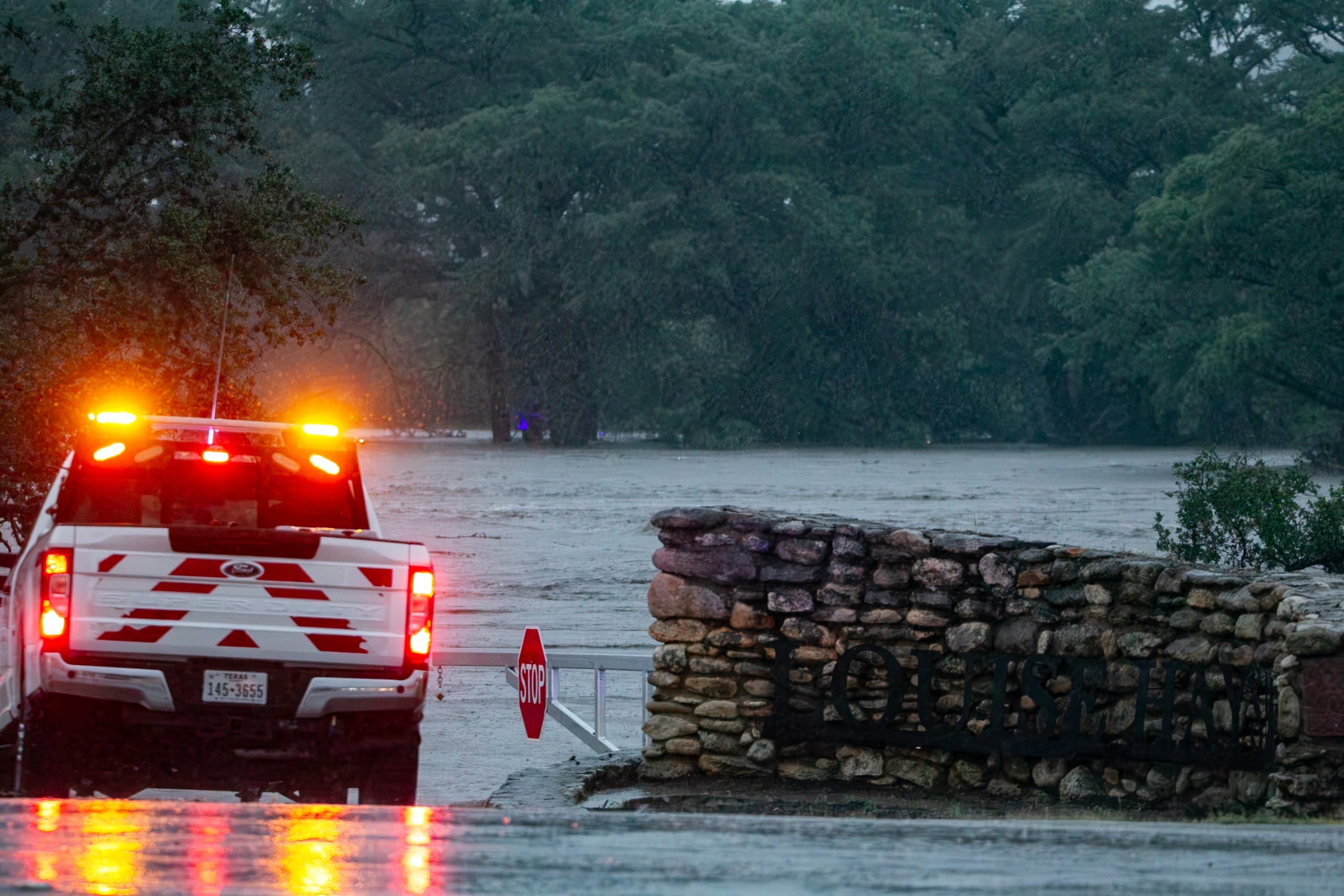
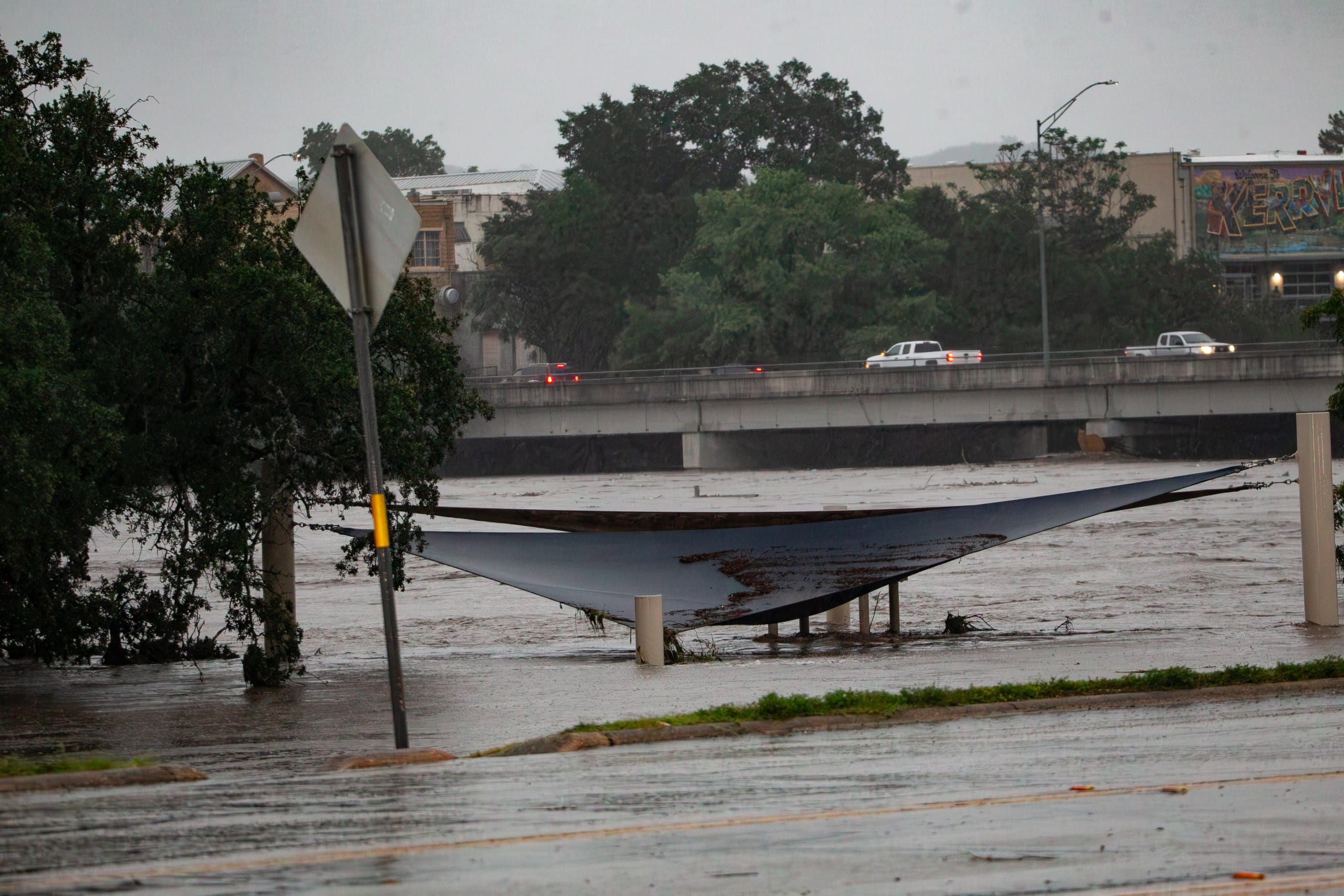
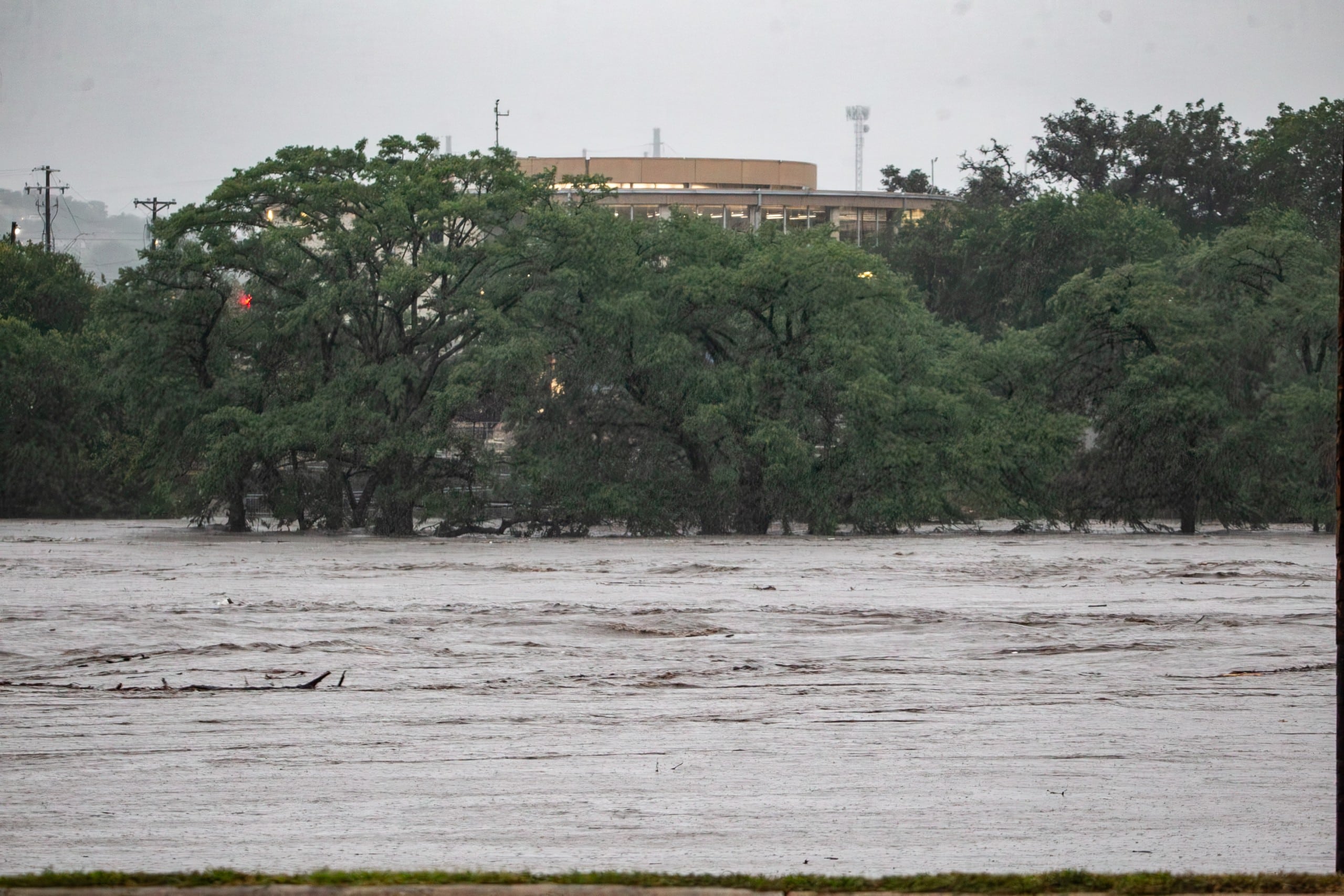
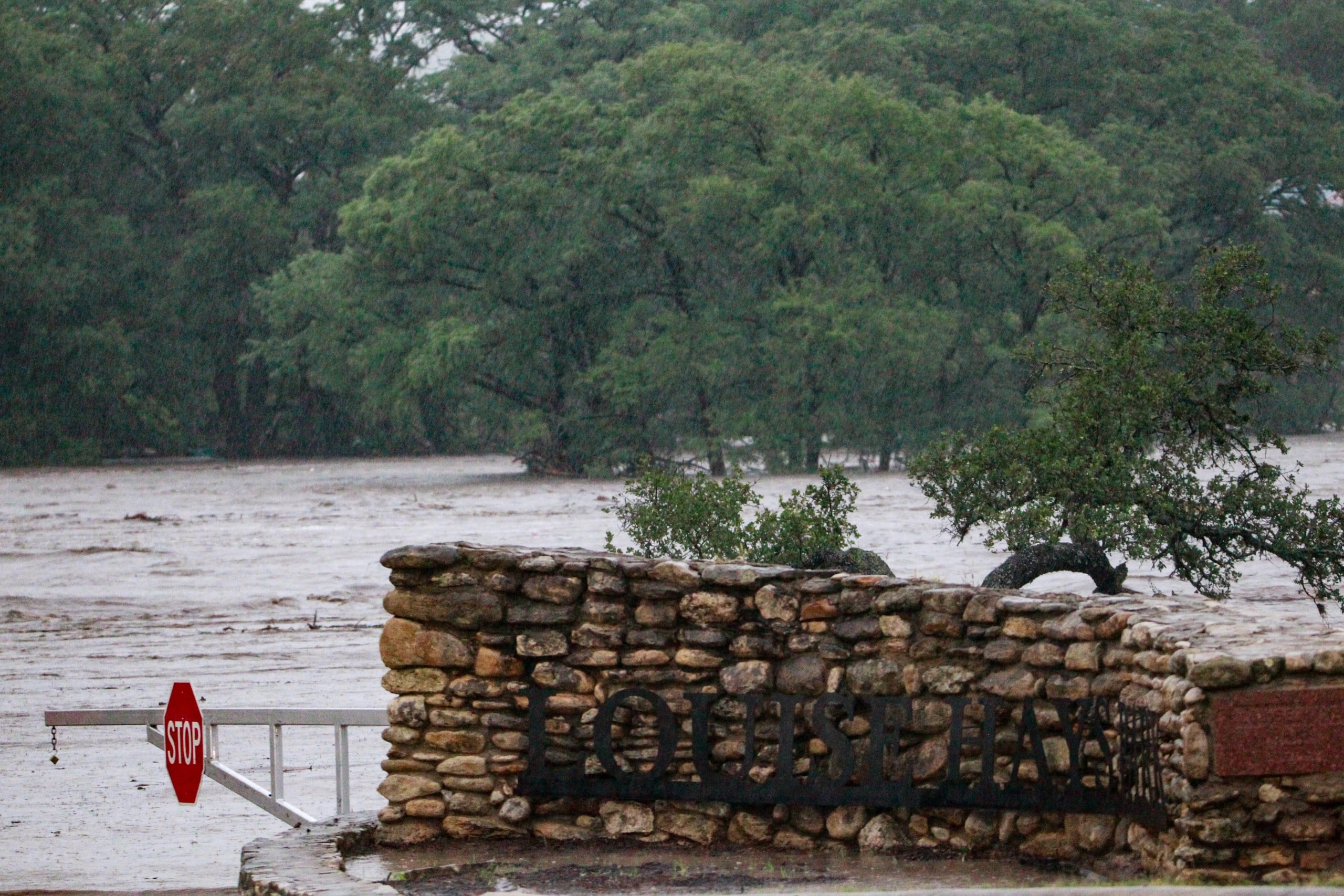
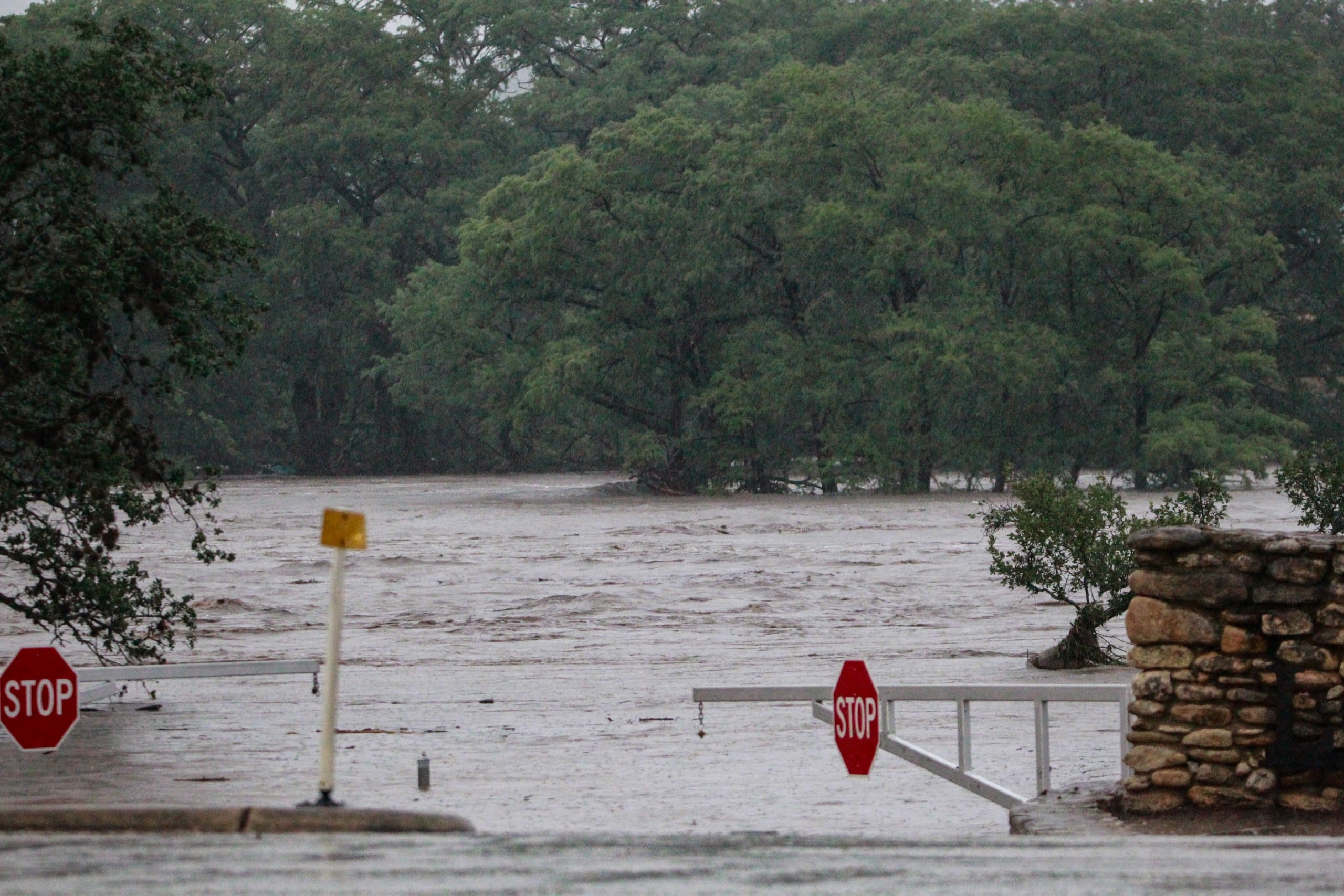
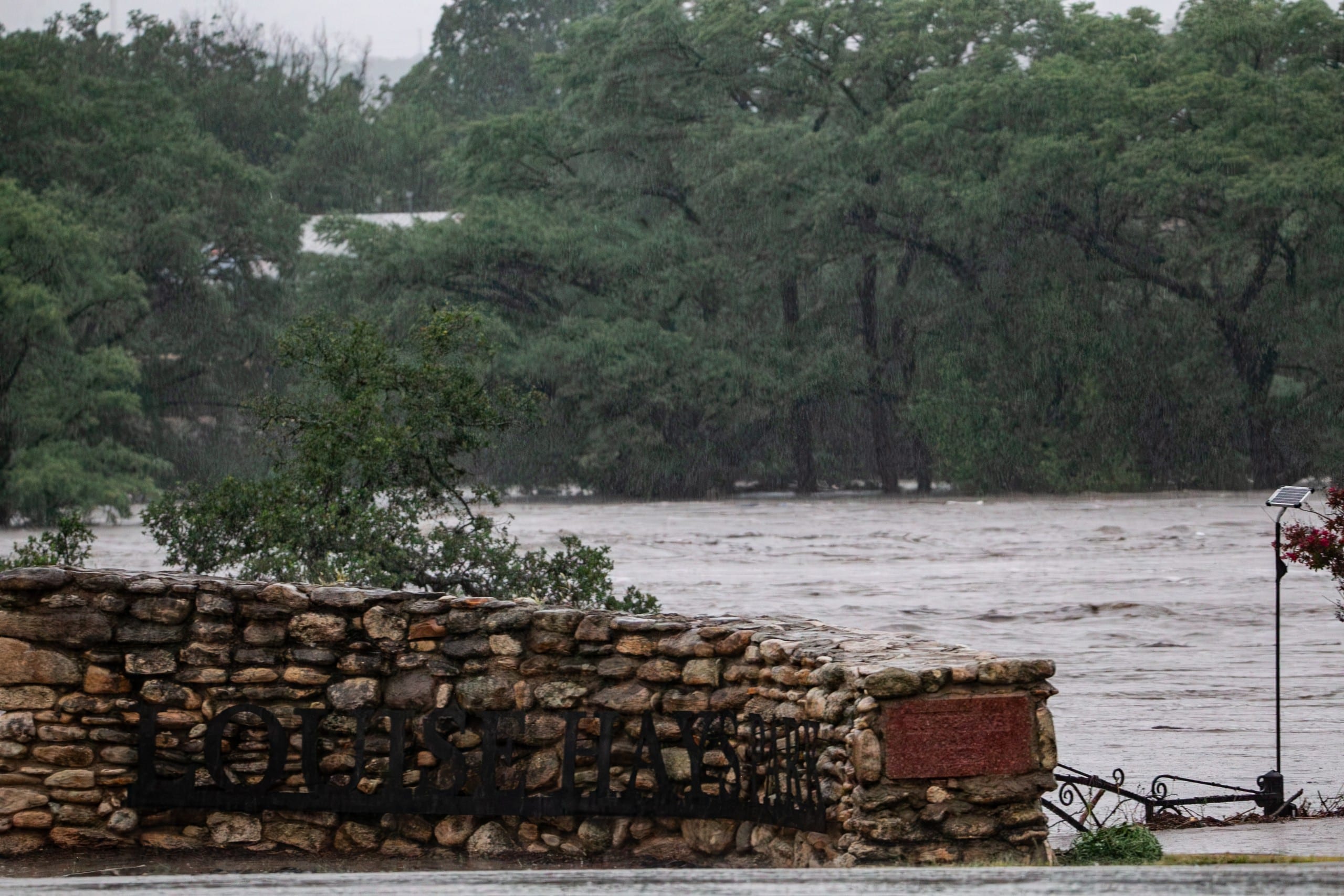
On July 4, 2025, that turn onto Cully Drive featured a sight that no one will ever forget — a roiling angry river that stretched from its northern bank to Thompson Drive. On a normal day, the river might stretch 100 feet across, but on this day it was nearly 900 feet wide. In one hour, potentially between 6 a.m. and 7 a.m., nearly 4 billion gallons of water passed through Louise Hays Park.
As you turn onto Cully Drive, near the campus of Peterson Health, a beautiful scene unfolds before you — Louise Hays Park. This landscape is familiar to all of us in the Hill Country. At the bottom of the draw, the Guadalupe River meanders its way toward the Gulf of Mexico, with its green and vibrant waters. This river is what distinguishes Kerrville and Kerr County from other parts of Texas — offering a sense of serenity framed by majestic cypress trees. From Cully Drive, you can catch a glimpse of the river, and we all know it’s down there, serving as an inviting destination for generations of Texans.
On July 4, 2025, that turn onto Cully Drive featured a sight that no one will ever forget — a roiling angry river that stretched from its northern bank to Thompson Drive. On a normal day, the river might stretch 100 feet across, but on this day it was nearly 900 feet wide. In one hour, potentially between 6 a.m. and 7 a.m., nearly 4 billion gallons of water passed through Louise Hays Park.
At 7:17 a.m., I received my first National Weather Service alert. By the time I made that familiar turn onto Cully Drive, the magnitude of what was unfolding became clear. This wasn’t just flooding—this was devastation on a scale our community had never witnessed.
But for many in our community, that alert came too late, or never came at all. Others closer to the river had been receiving alerts throughout the morning, but this storm struck in the middle of the night in places where cell phone service can be spotty at best.
It was also a holiday weekend, and many may have had their phones turned off to get a good night’s sleep before a day of fun and relaxation. Thousands were expected to attend Kerrville’s Fourth on the River, which marked the return of legendary Texas music star Robert Earl Keen, who calls Kerr County home. Families were camping, vacationing and settling in for what should have been a perfect Hill Country Fourth of July.
Even for longtime residents of Kerrville, the scene was shocking, but in Ingram and Hunt a nightmare was unfolding that would see more than 100 people killed, many waking up to the rushing river lapping at their waist before they could even try to flee. By about 5 a.m., Hunt Volunteer Fire Chief Lee Pool was trapped—he couldn’t move because the water was rising so fast, and he watched helplessly as a vehicle with people in it washed away on the South Fork of the river. Pool had to tell a longtime friend, huddling with campers on a rooftop, that no one was coming to help.
Pool asked Kerr County Sheriff’s dispatchers for a Code Red — an opt-in text messaging service — but they told him they had to get supervisor approval. It would be hours before Kerr County would issue a Code Red. This delay would later seize the narrative for national media outlets looking to assign blame for the catastrophic loss of life, but the disaster is far more complex and nuanced than any single warning system could have addressed.
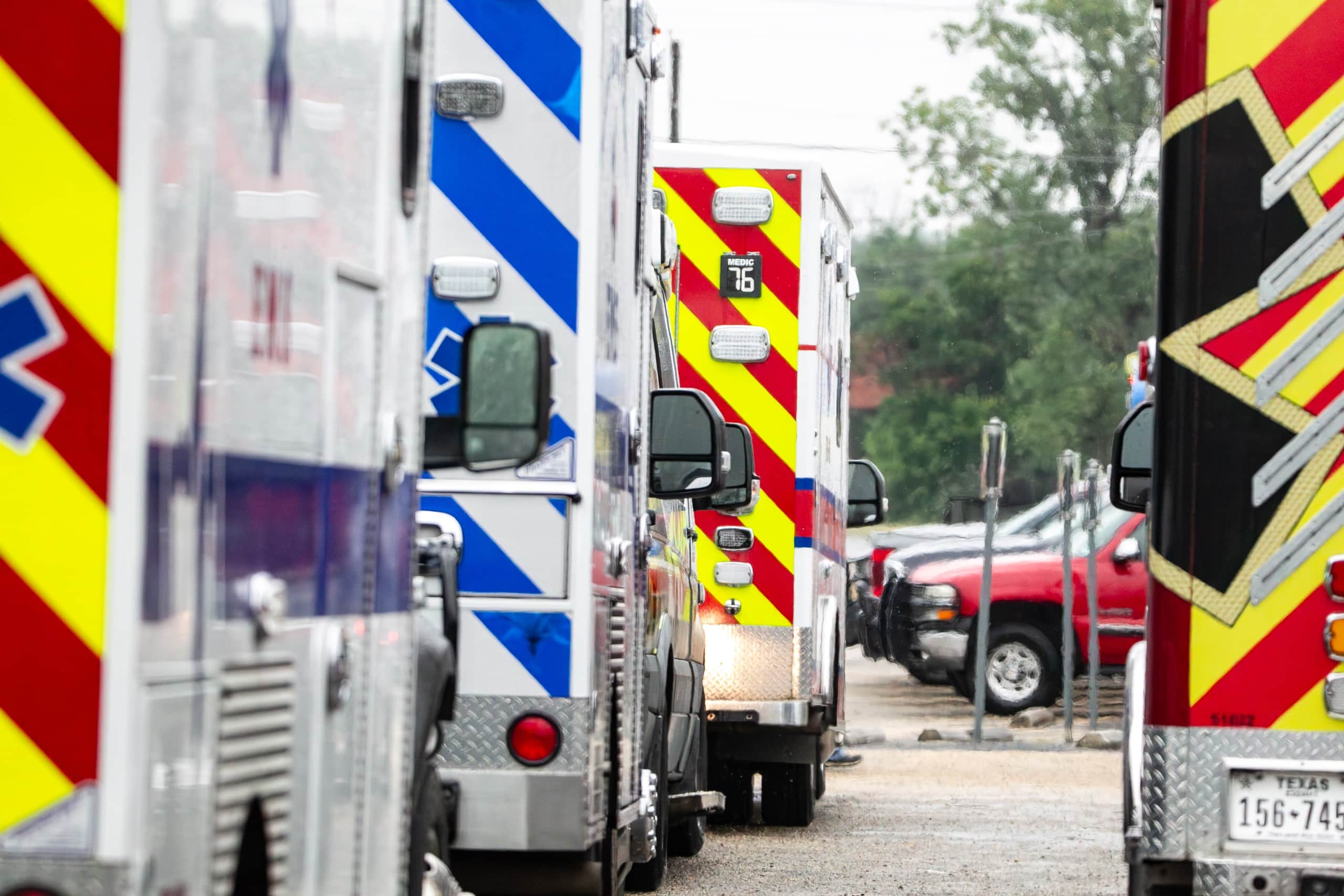
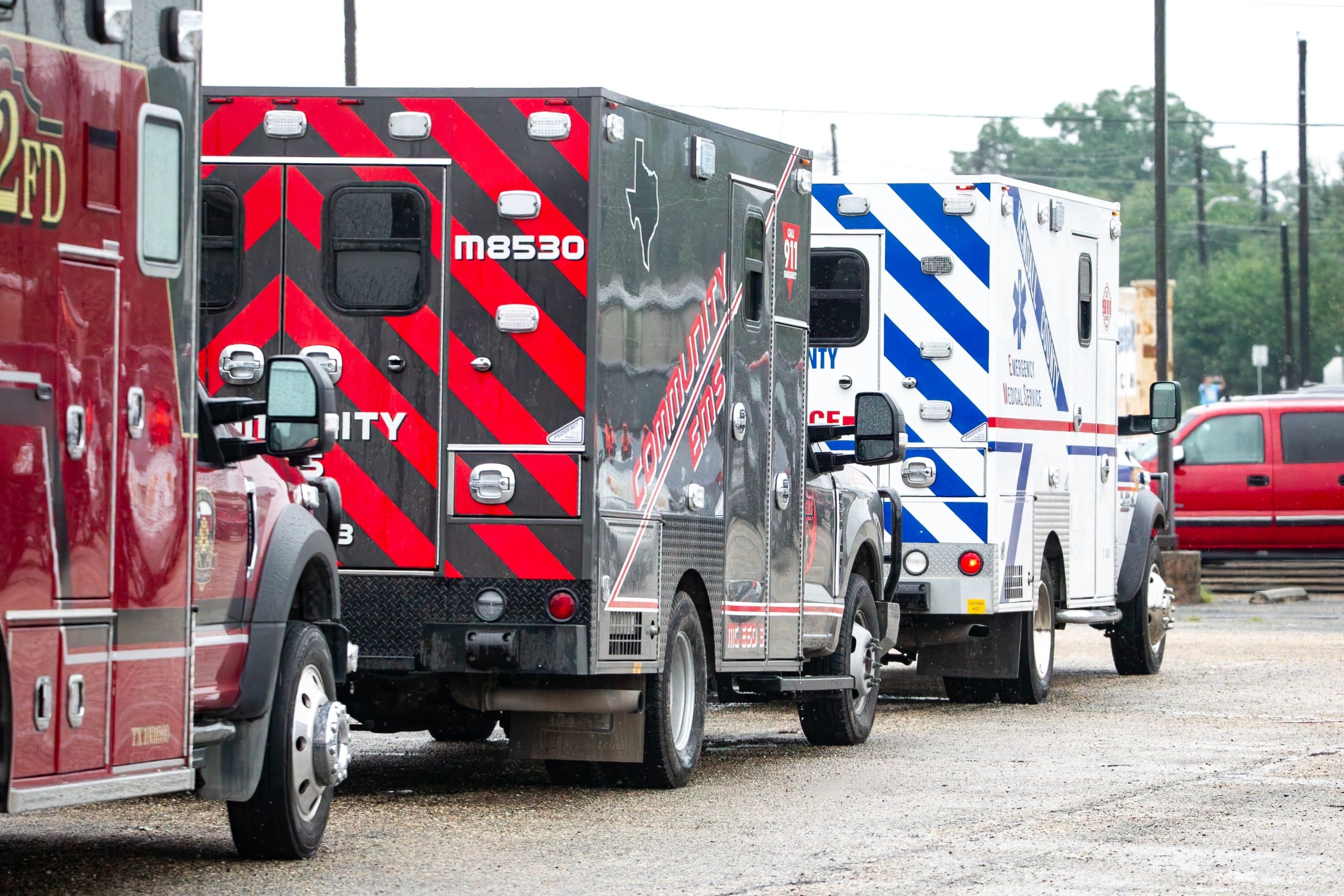
July 4, 2025, would become the darkest day in Kerr County’s history. Two weeks later, as this story is being written, 107 people are confirmed dead, including 26 young girls from the historic Camp Mystic, where the raging river swept away some of the camp’s youngest campers. Highway 39 between Hunt and River Inn became a river itself, nearly impassable, and for those who hadn’t been swept away, hundreds were stranded, awaiting rescue that would take hours — and in some cases, days — to arrive.
The Morning Everything Changed
City Manager Dalton Rice had been running through Louise Hays Park at 3 a.m. that Friday morning — a routine he’d maintained for years. “I’m that guy,” Rice would later say of his early-morning running habit. But on this particular morning, he wanted to assess the Guadalupe River and check on the setup for the planned Fourth on the River concert scheduled for that afternoon.
The early morning hours were punctuated by thunder and lightning across Kerr County, but that wasn’t unusual, as these storms typically passing through quickly. Two hours after Rice’s run, the storm system unleashed a deluge that would forever change our understanding of what the Guadalupe River could do.
The first flood emergency alert came at 1:14 a.m., but the river wouldn’t begin its catastrophic rise for hours. In those crucial early morning hours, as most residents slept, heroes were already in motion. Assistant Parks Director Rosa Ledesma and her crew conducted a complete evacuation of Kerrville-Schreiner Park’s riverside campground, getting everyone out of tents, RVs, and cabins before the “wall of water” struck.
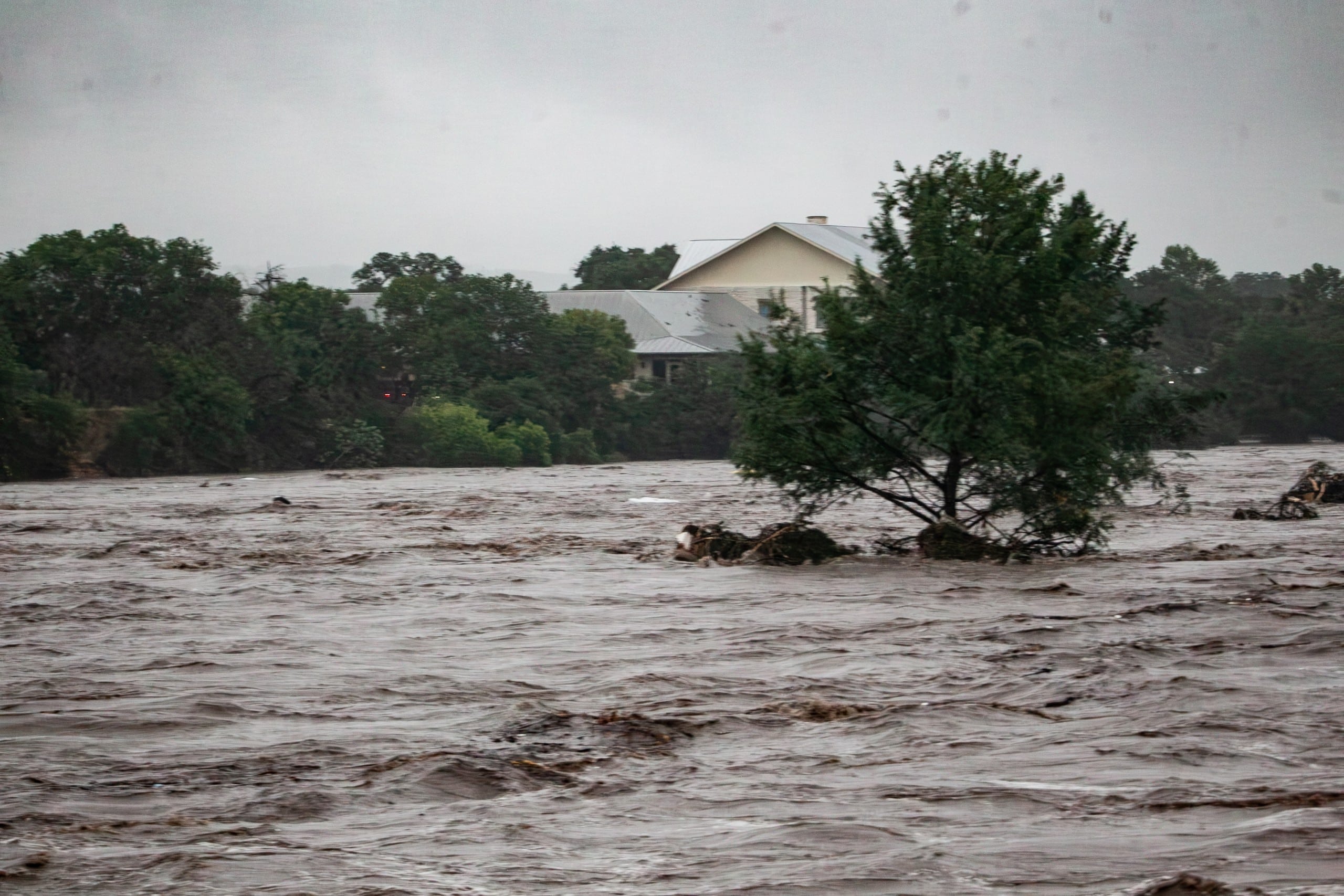
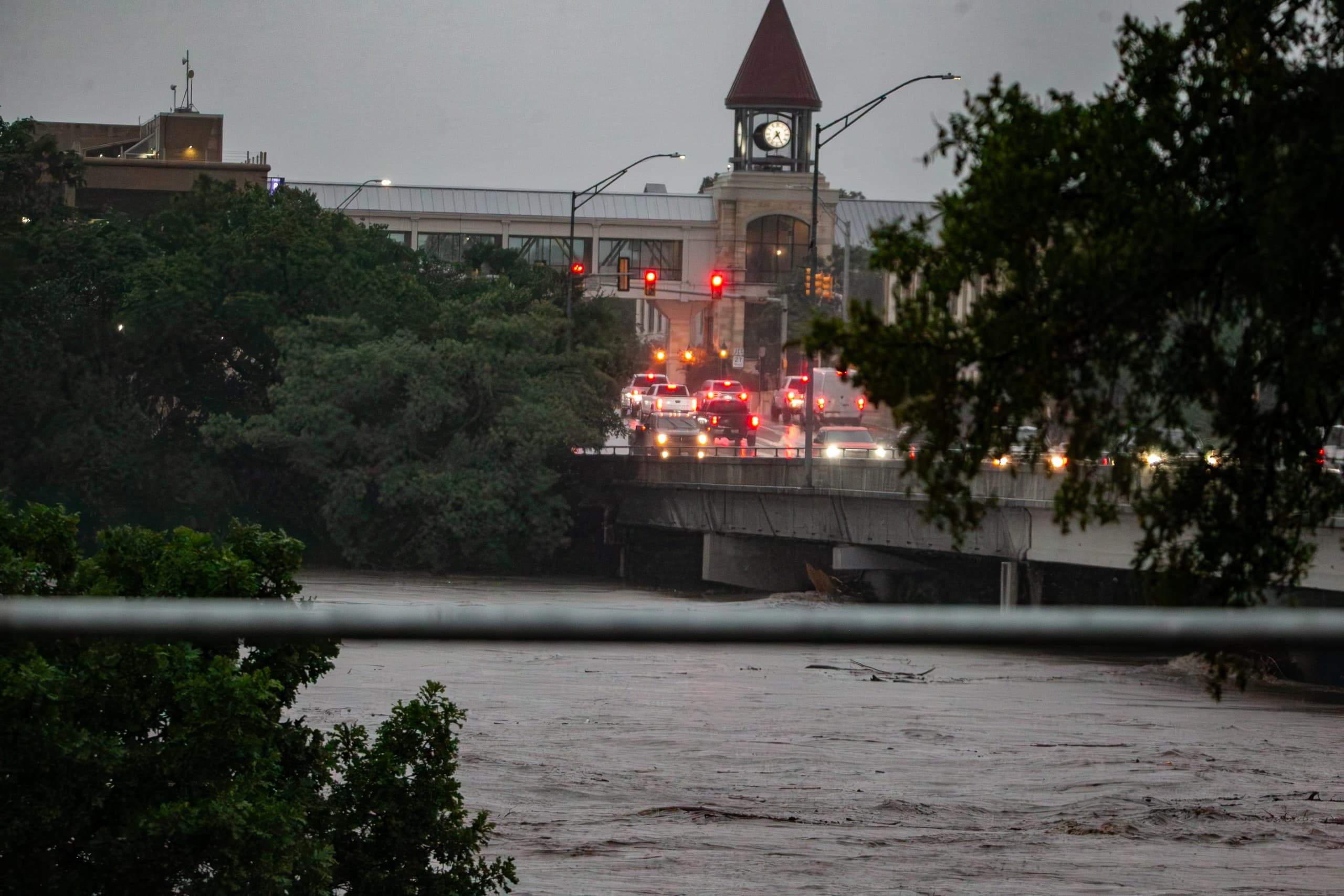
Around 4 a.m., when unprecedented rainfall caused the Guadalupe River to rise more than 20 feet in less than two hours, the disaster began in earnest. The river reached flow levels nearly 60 times higher than previous records—an estimated 147,000 cubic feet per second, or approximately 1.1 million gallons of water flowing past Kerrville every second at the peak.
To put this staggering volume in perspective: that’s 66 million gallons per minute, 3.96 billion gallons per hour. This flow rate equaled 55 swimming pools worth of water rushing past every single second.
The Casualties Mount
By 8 a.m., the news was grim. At least six were confirmed dead, the HTR TX Camping Resort on the Ingram-Kerrville border was gone, as was its neighboring campground, Blue Oak. At Camp Mystic, it was clear a tragedy was unfolding, with girls and counselors missing.
The camp’s director, Richard Eastland, was among the dead. His colleague down Highway 39, Jane Ragsdale, who, like Eastland was a fixture in the Texas camping community at Heart of the Hills Girls Camp, was also gone. Ragsdale had been planning her 50th high school reunion with Kerrville Area Chamber of Commerce CEO Mindy Wendele just days before.
The tragedy struck particularly close to home with the confirmed deaths of Tivy High School boys soccer coach Reece Zunker and his wife, Paula, whose bodies were recovered. The couple’s two children, Lyle and Holland, remained missing for days. Kerrville Independent School District Superintendent Brent Ringo wept when discussing the loss of the Zunkers. “I just can’t believe this,” said an emotional Ringo. Reece had recently been named the district’s Outstanding Secondary Teacher and was beloved by students and colleagues throughout the community.
Witnessing the Unthinkable
The Lake House restaurant owner Mark Armstrong and his wife, Sally, built their business 37 years ago along the river at Thompson Drive and Junction Highway. The 1987 flood didn’t hamper their business, but this was different. Their restaurant was swamped. However, they discovered that their surveillance cameras had captured the horror of the early morning rampage—cars and trucks drifting by and into Nimitz Lake with their lights still on.
Heroism in the Storm
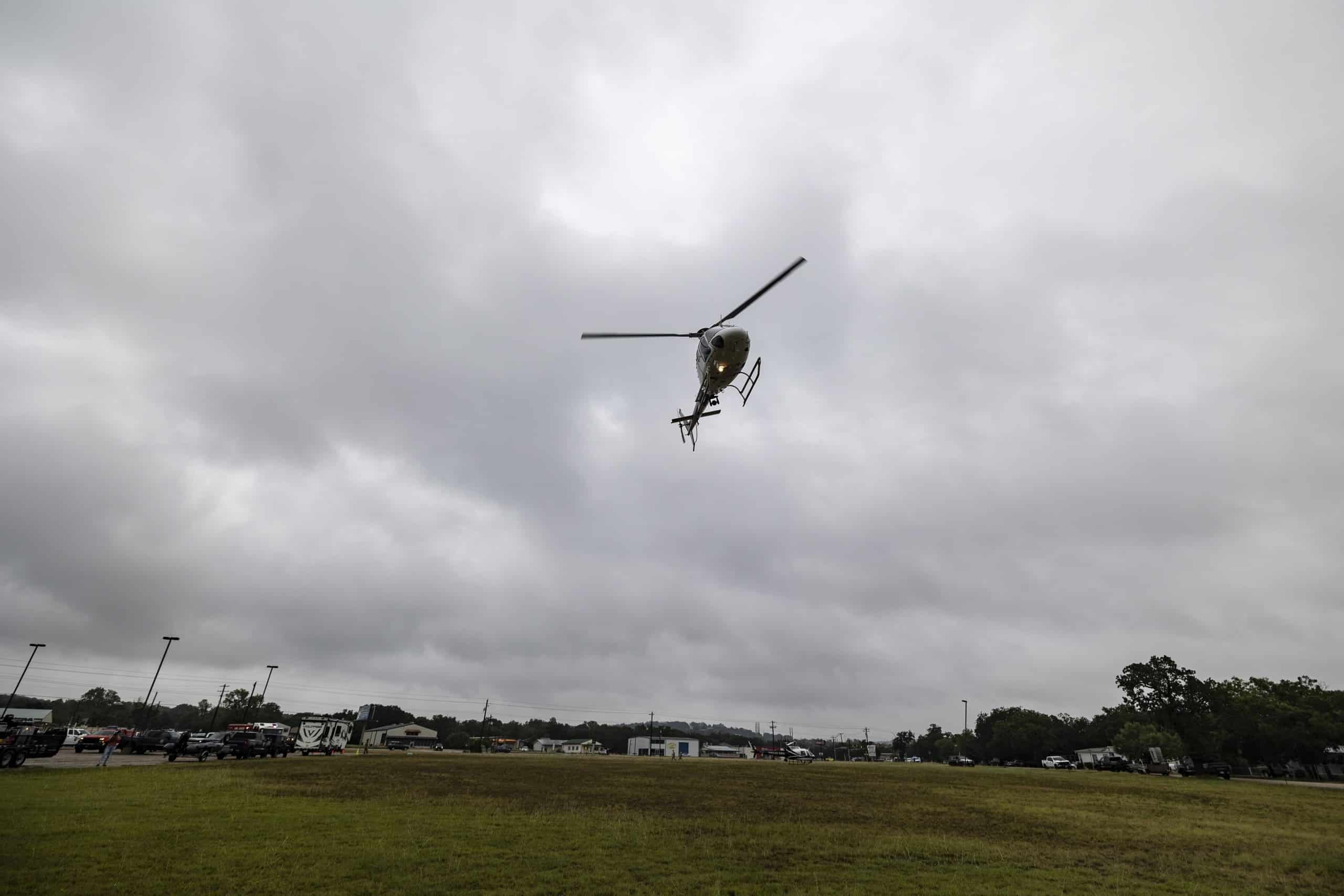
Two weeks after the disaster, four U.S. Coast Guard aircrew members received military medals from Homeland Security Secretary Kristi Noem for their heroism during the catastrophic flooding at Camp Mystic. The ceremony recognized the crew’s courage and devotion to duty as they battled heavy rain, near-zero visibility, and treacherous terrain to rescue 169 people from the camp when the Guadalupe River rose 26 feet in 45 minutes.
“This is what the men and women of the Coast Guard do,” Noem said during the presentation. “The selfless courage of this crew embodies the spirit and mission of the U.S. Coast Guard.”
The flooding swept away cabins and stranded more than 200 campers at the Hill Country summer camp. Coast Guard members launched into the storm despite dangerous conditions that at one point caused the aircraft commander to lose visual reference and nearly crash.
Lt. Ian M. Hopper, aircraft commander, received the Distinguished Flying Cross for piloting the first helicopter into the storm. His citation noted he “battled extreme precipitation, near-zero visibility, and treacherous terrain, at one point losing visual reference and narrowly avoiding disaster before executing a harrowing instrument flight.”
Lt. Blair O. Ogujiofor, co-pilot, was awarded the Air Medal for coordinating communications and leading a formation of two medical evacuation helicopters through narrow valleys with limited visibility. After successfully landing, following three perilous attempts to reach survivors, she managed flight paths for 12 helicopters in the immediate area.
Petty Officer 3rd Class Scott C. Ruskan, aviation survival technician, received the Distinguished Flying Cross for volunteering to remain on the ground during the rescue operation. As the sole first responder at the evacuation landing zone, he coordinated the evacuation of 169 people while working with a dozen aircraft from the Department of Defense and federal and state partners across two landing zones.
Petty Officer 3rd Class Seth N. Reeves, aviation maintenance technician, was awarded the Air Medal for identifying a critical aircraft malfunction in the original helicopter and preparing a second aircraft to ensure the rescue mission could launch on time. During the flight, he helped pilots navigate below cloud cover using road maps to avoid obstacles.
“In the face of devastating floods in Texas, this Coast Guard aircrew’s courageous actions saved lives and reaffirmed our vital role in protecting American communities,” said Adm. Kevin Lunday, acting commandant of the U.S. Coast Guard.
A Holiday Turned
Nightmare
The July 4 holiday that began with a routine DWI arrest at 1:30 a.m. became the deadliest weekend in Kerrville Police Department history as officers spent Independence Day recovering flood victims instead of providing security for fireworks and festivities.
Police incident reports from July 4-6 document 16 flood-related deaths within the city, transforming what should have been a celebration of American freedom into a grim accounting of lives lost to unprecedented natural disaster.
The first “unattended death” was reported at 11:54 a.m. Friday at 2300 Bandera Highway, about seven hours after the flooding began devastating the Guadalupe River corridor. By Saturday evening, officers had documented bodies recovered throughout the city.
The police reports reveal the deadly path floodwaters took through Kerrville, with deaths clustered along the river corridor that defines our city’s heart. Multiple victims were found along Thompson Drive, Bandera Highway, and Water Street—areas that became killing zones as the Guadalupe River rose more than 20 feet in less than two hours.
One victim was discovered at Louise Hays Park on Thompson Drive with unknown identification. Officers responded to death scenes from Francisco Lemos Street to Memorial Boulevard, from G Street to Riverside Drive, documenting the geographic scope of devastation across the community. Multiple officers handled numerous death investigations during the three-day period, with one Kerrville officer responding to at least five separate scenes.
Heroes in the Darkness
In Hunt, a Kerrville patrol sergeant living in the area found himself trapped at the intersection of FM 1340 and Highway 39, where multiple low-water crossings created “islands where you can’t get in and you can’t get out.” He observed “dozens of people trapped on rooftops” and called for backup.
For 13 hours, two Kerrville officers worked alongside Hunt volunteer firefighters and an emergency room doctor, rescuing people from rooftops and treating injuries—including a young boy with a severe leg injury—until other emergency workers could reach them.
In Kerrville proper, officers evacuated more than 100 homes and rescued over 200 people in the first hour alone, going “door to door, waking people up, convincing them that yes, the flood waters are coming and you need to leave now.”
When Schools Become Lifelines
As the scope of the disaster became clear on July 4 evening, Kerrville ISD Superintendent Brent Ringo received an urgent call at 5:25 p.m. requesting assistance to transport 400 campers from Camp La Junta, which had been devastated by floodwaters. With nighttime approaching, the campers needed to be moved to safety immediately.
An all-call went out for assistance to KISD team members, and the response was immediate. Bus drivers, coaches, the high school principal, and assistant superintendents answered the call, mobilizing within minutes. By 6 p.m., 10 KISD buses were en route to Camp La Junta.
Upon arrival, the team encountered campers—many wearing only the clothes they had slept in—being transported by pickup trucks to the bus staging area. The bus drivers welcomed these young campers with calm reassurance, ensuring their safety and comfort during the 4.5-hour operation.
As additional KISD buses arrived, the team was able to extend support further. After coordinating with a Sheriff’s deputy outside Camp La Junta, they were directed to assist in evacuating the 300 remaining campers from Camp Mystic. Drivers navigated hazardous areas to reach the Methodist Church in Ingram, where Game Wardens and the National Guard were bringing campers to safety.
“Each bus driver greeted the girls with smiles, offering comfort during an unimaginable time,” Ringo later wrote. “The smiles, tears, and hugs I witnessed were a testament to the compassion and dedication of our KISD team.”
The next day, July 5, another call for help came in. Again, the KISD team responded within minutes to safely transport campers from Camp Waldemar in a three-hour operation.
The superintendent specifically thanked Vincent Clark, Geri White, Jarrett Jachade, Hal Poorman, Don Randall, Micky Pelletier, Thomas Gough, Monica Umfress, Rick Sralla, Shelby Balser, Amanda Nicholson, Aubrey Pruitt, Chris Ramirez, and Jeff Kubacak for their service.
Across the county, other school districts became critical community anchors. In Hunt, where the iconic Hunt Store was nearly destroyed in the flood, Hunt ISD stepped in to help hold the community together during the crisis. In Ingram, Ingram Elementary became a reunification center, with Ingram ISD employees leading relief efforts to help families find each other and access emergency services. Center Point ISD became a kitchen and a relief center.
The First Week: Searching and Grieving
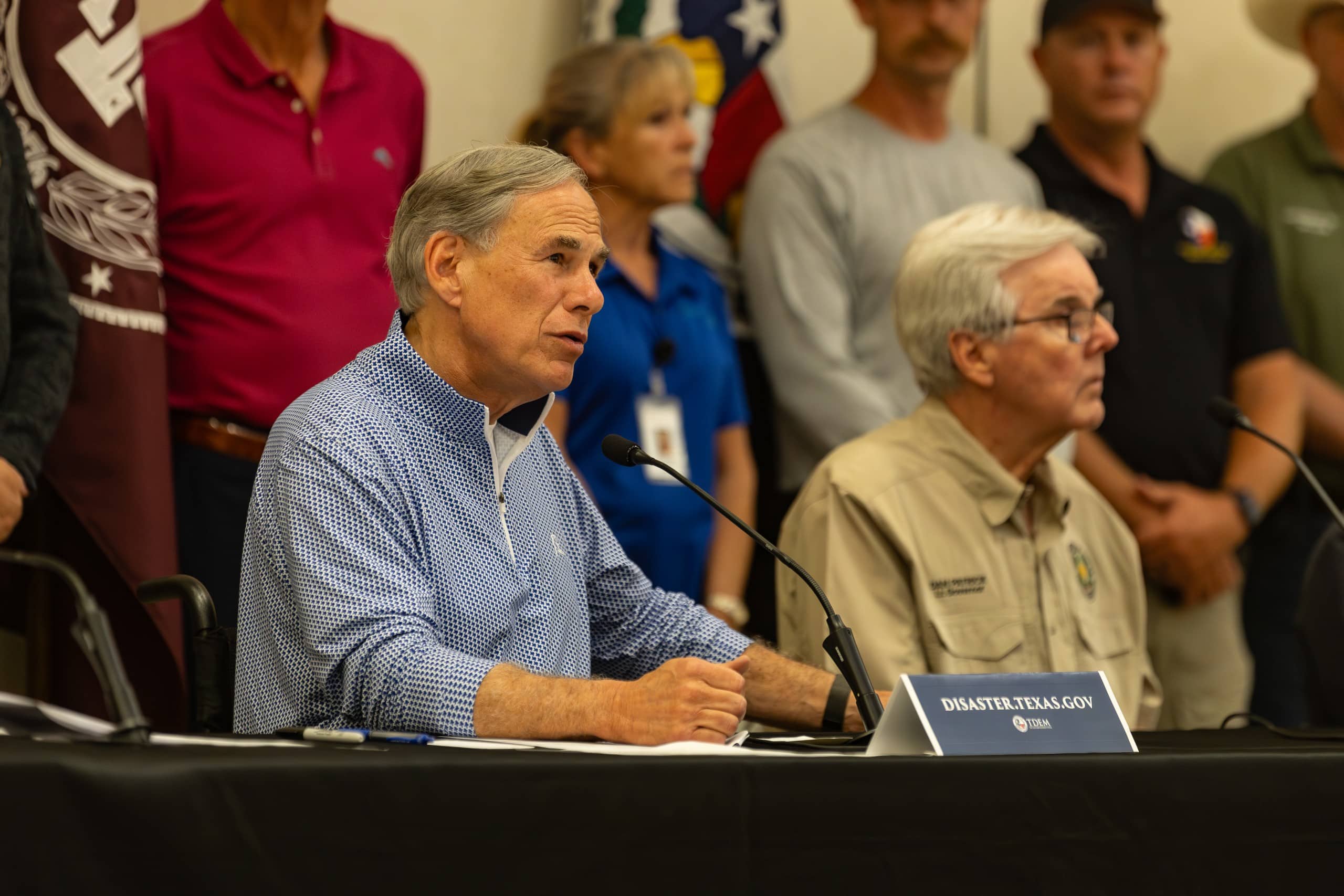
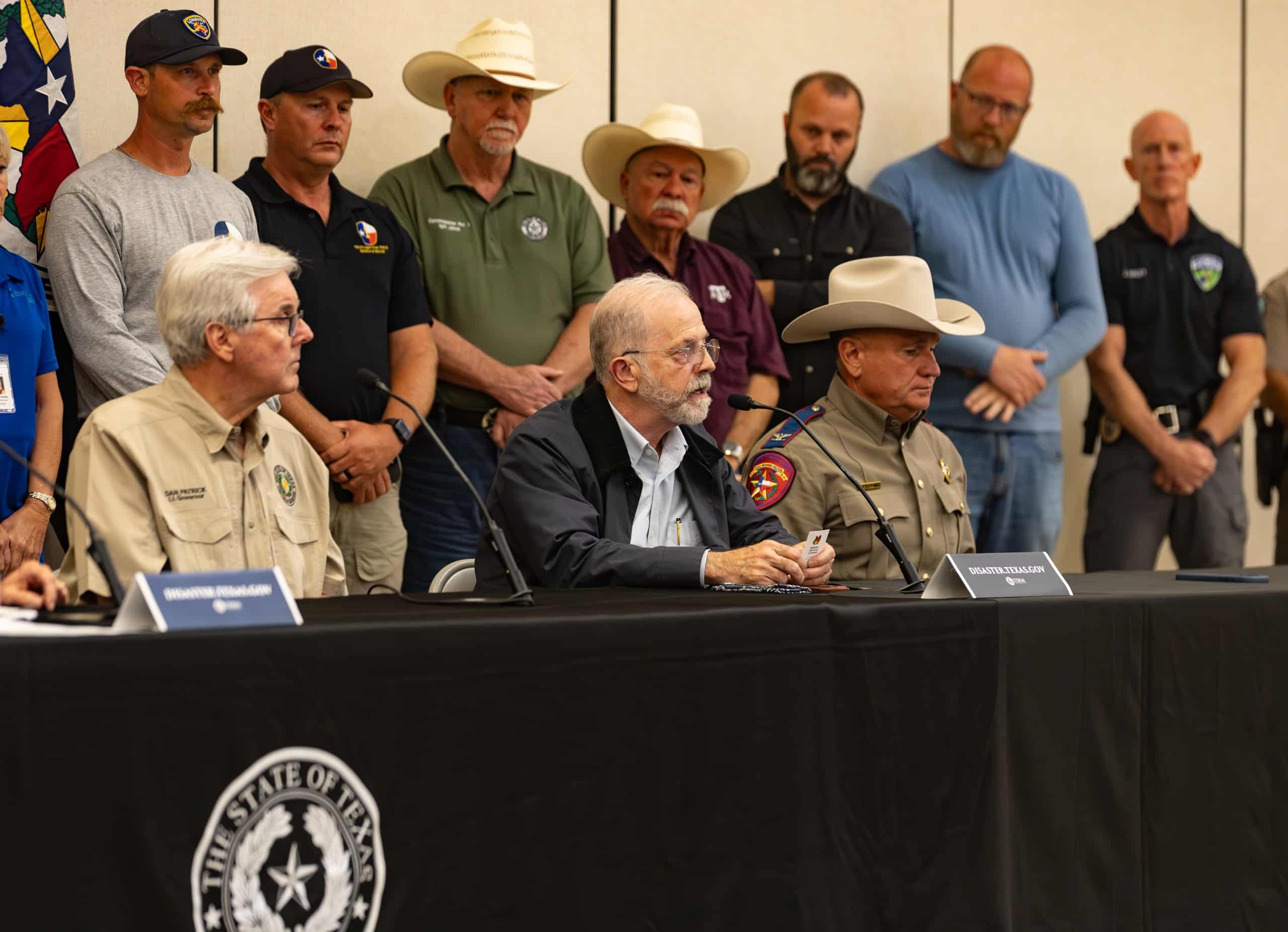
The days following July 4 brought a grim ritual of morning press conferences, each one delivering updates no community should have to hear. The death toll climbed steadily: 24 on July 4, 87 by July 7th, 94 by July 9th, reaching 103 by July 12th.
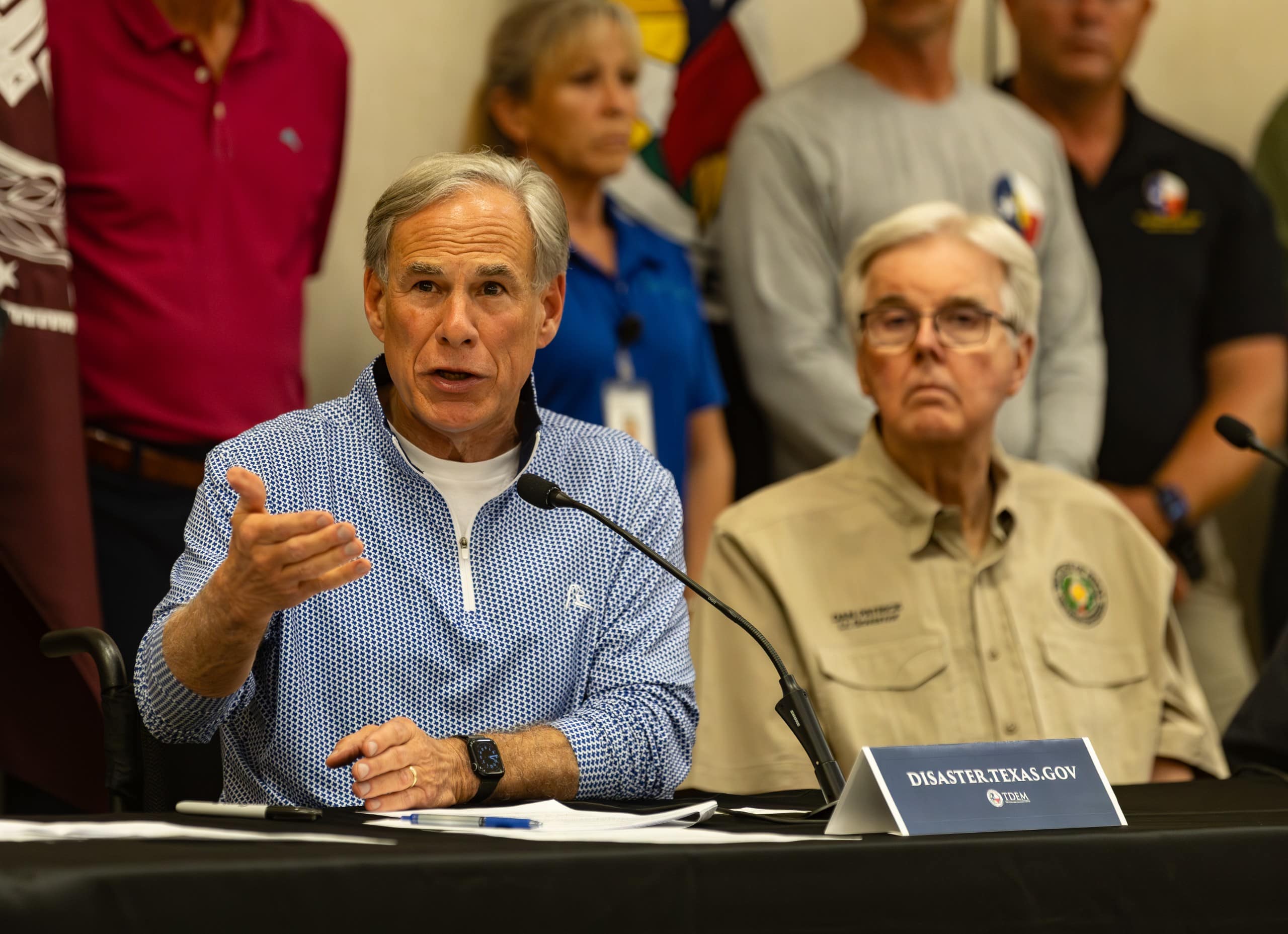
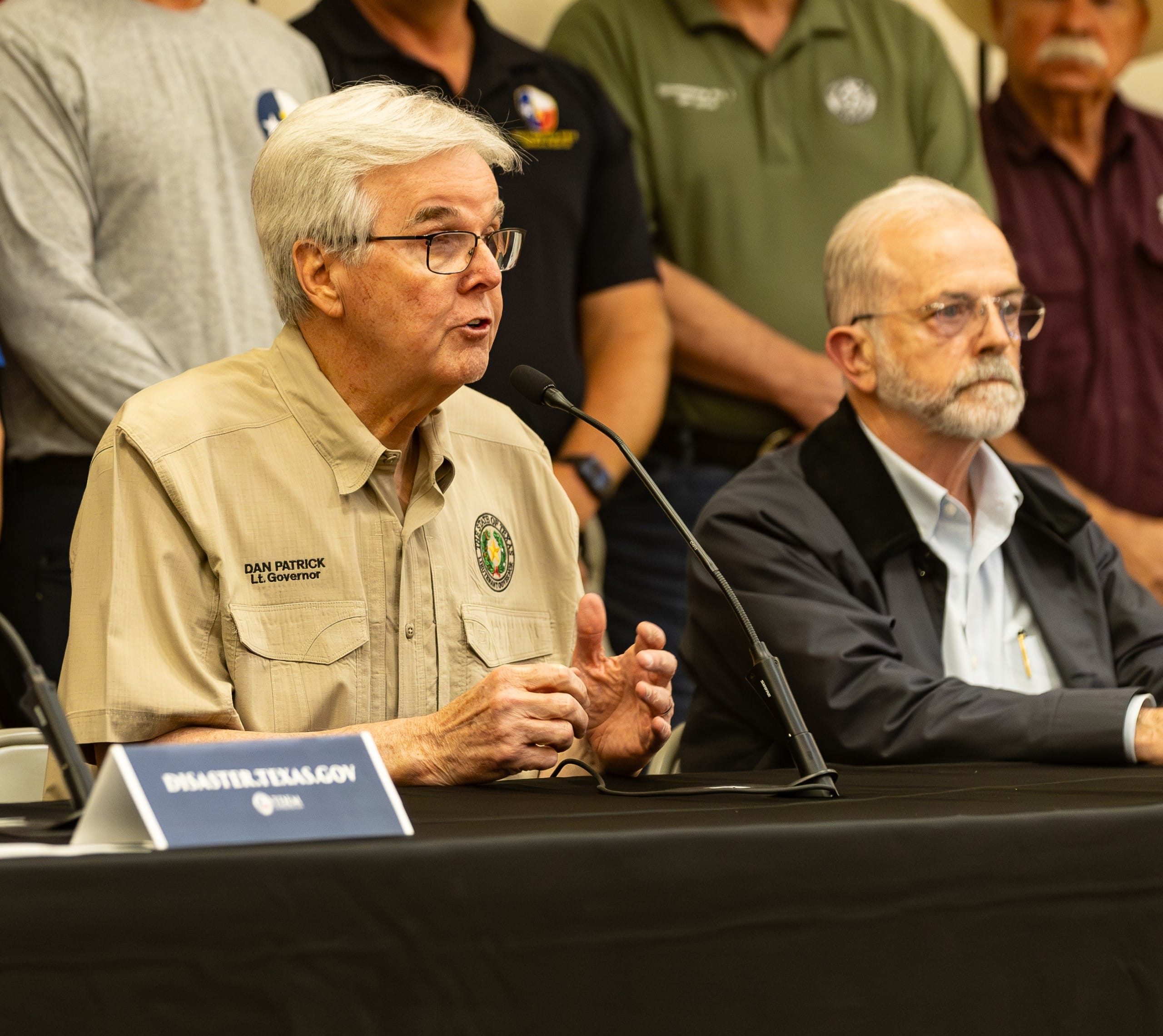
On July 6, President Trump signed a federal disaster declaration, authorizing FEMA assistance for what would eventually become a 21-county disaster zone. The same day, Lt. Gov. Dan Patrick announced the state would fund flood warning sirens along the Guadalupe River—infrastructure that local officials had sought since 2016 but couldn’t secure funding for.
The response wasn’t without its challenges. On July 7, a helicopter carrying Kerrville City Councilmember Jeff Harris and other officials was struck by an unauthorized drone, damaging the tail rotor and grounding a critical search asset. “We hit a drone,” the pilot confirmed after landing, highlighting the dangerous interference with rescue operations.
By July 9, Governor Abbott provided the first comprehensive casualty report at The Hunt Store: 94 deaths in Kerr County, 109 statewide, with 161 people still missing in Kerr County alone. “Far more fatalities than there were in Hurricane Harvey,” Abbott said, describing the event as a “tsunami wave of wall of water.”
The Community Response
An Unprecedented Outpouring of Support
The response from across Texas and beyond has been as extraordinary as the disaster itself. The Community Foundation of the Texas Hill Country announced Friday it has raised more than $30 million in one week for the Kerr County Flood Relief Fund—a staggering sum that reflects the depth of support for our community.
“The heartbreak we’ve experienced as a community is profound, but so is the response,” said Austin Dickson, chief executive officer of the Community Foundation of the Texas Hill Country, during a press conference at the Dallas Dougherty Memorial Pavilion in downtown Kerrville. “In a matter of days, thousands of donors from across Texas and beyond have stepped up to say: we are with you.”
H-E-B leads major donors with a $5 million contribution, while James Avery Artisan Jewelry donated $1 million to the relief fund. “The Butt Family, H-E-B, and the H.E. Butt Foundation have a deep connection to Kerrville and the Hill Country, where our company was founded,” said Winell Herron, H-E-B senior vice president of public affairs. “We are heartbroken by the tragic events that have devastated our communities.”
Chris Avery, chairman of the board of directors for James Avery, said the Hill Country has always been home for the company his parents founded. “Like so many people facing unimaginable loss during this time, we are also grieving a beloved family member,” Avery said. “It’s been incredible seeing the dedication and selflessness of first responders and how people have shown up with donations, kind words, and support.”
The foundation announced it will distribute an initial $5 million in emergency grants to nonprofit organizations across four priority categories, each receiving $1.25 million: support for individuals and families, support for local businesses, support for first responders, and support for crisis response.
Grant recipients include major relief organizations such as The Salvation Army Kerrville Kroc Center, Mercy Chefs and World Central Kitchen, which each received $250,000 for individual and family support. Five volunteer fire departments across the region each received $250,000 for first responder support. Local institutions also received funding, with Schreiner University receiving $450,000 and eight churches, Ingram ISD and other community organizations each receiving $62,500 for crisis response efforts.
The foundation plans to form a Community Advisory Committee that will include local nonprofit leaders, residents and stakeholders to guide long-term recovery investments and ensure equitable resource distribution.
“We know this is just the beginning,” Dickson said. “We’re grateful to say we’ve raised over $30 million in just one week—but the needs are tremendous, and continued support will be critical in the months ahead.”
Keen, who was scheduled to perform at the cancelled “Fourth on the River” celebration, announced comprehensive support for flood relief efforts. “The Texas Hill Country and namely my hometown of Kerrville, Texas, has been crippled by unprecedented flooding,” Keen said, revealing that both of his daughters had attended Camp Mystic. He pledged 100% of his current tour’s merchandise sales to relief efforts.
Local businesses stepped up in countless ways. Clint Orms Silversmiths adorned their new downtown storefront with ribbons in camp colors. Companies from Signarama to Spectrum provided services ranging from “Kerr United” yard signs to free internet access.
Relief organizations mobilized quickly. The Community Foundation of the Texas Hill Country established the Kerr County Flood Relief Fund, while Southern Baptists of Texas Convention Disaster Relief worked with First Baptist Church, Kerrville to establish feeding units and shelter.
The Presidential Visit
On July 12th, President Trump visited Kerrville, touring the devastated areas and meeting with survivors and first responders. During a 45-minute roundtable at the Hill Country Youth Event Center, he assured the community it would be rebuilt.
“This is a tough one,” Trump said after returning from a tour of the heavily affected Hunt area. He described the devastation as unlike anything he had seen, noting how “a little narrow river that becomes a monster” had caused the catastrophe.
Perhaps the most impactful remarks came from First Lady Melania Trump, who met with families and received a special bracelet from Camp Mystic campers “in honor of all of the little girls that lost their lives.” She concluded with a promise that resonated throughout the community: “I will be back.”
The Warning System Debate
The question of warnings and emergency notifications became a focal point for national media coverage, but the reality facing Kerr County that morning was far more complex than any single system could have solved. The storm struck in the predawn hours when many residents were asleep, in areas where cellular service has always been unreliable. While some residents closer to the river received scattered alerts throughout the morning, the speed and ferocity of the water’s rise left little time for organized evacuations.
The delay in Code Red activation—a gap that would later dominate headlines—represented just one piece of a much larger puzzle involving terrain, technology, timing, and the unprecedented nature of the flooding itself.
The Perfect Storm: How Weather Created Catastrophe
To understand the meteorological forces that converged over Kerr County that morning, KHOU meteorologist Pat Cavan analyzed what he called “the absolute perfect storm”— a combination of factors that pushed the science of meteorology to its limits.
The disaster began with tropical moisture from Tropical Storm Barry, which had made landfall in northern Mexico. Even though Barry’s circulation fell apart, its moisture persisted in the atmosphere and was funneled northward because it couldn’t pass over the Sierra Madre Mountains. This tropical moisture then interacted with a slow-moving batch of storms over Central Texas.
The key element was a mesoscale convective vortex (MCV) — a mini area of low pressure that was almost stationary over Central Texas. Forecasters had identified this MCV approximately 12 to 18 hours before the event unfolded. Combined with the tropical moisture, it acted like a “mini tropical storm almost over land,” becoming what Cavan described as a “self-serving engine” that produced persistent rainfall for hours.
The initial training thunderstorm developed over Kerrville, specifically over the North and South forks of the Guadalupe River, even before the MCV fully arrived, prompting the first flash flood warning at 1:14 a.m. When the MCV subsequently arrived, it enhanced these thunderstorms and dramatically increased rainfall rates.
The terrain of our Texas Hill Country—characterized by ravines, creeks, and streams emptying into larger rivers—helped focus moisture and water into
concentrated areas. The North and South forks of the Guadalupe River meet in Hunt, and the intense rainfall inundated all the feeding creeks, streams, and tributaries simultaneously.
Radar estimates showed over a foot of rain fell at the top of the Guadalupe River near Kerrville, with some pockets south of Brady receiving nearly 2 feet of rain—over 20 inches. This created hours and hours of relentless rainfall that our landscape’s geological characteristics then channeled with devastating efficiency.
Cavan noted that this was an extreme “freak event” that demonstrated the limits of current forecasting capabilities. While meteorologists can issue warnings within 20 to 30 minutes of a life-threatening flash flood starting, they cannot yet pinpoint exactly where these isolated, intense thunderstorms will develop a day in advance.
Kerr County sits atop a limestone-dominated landscape with thin, clay-dominated soil that is remarkably ineffective at soaking up water, especially after drought conditions like those preceding July 4. When intense rainfall hits this terrain, water quickly sheets off the surface rather than being absorbed. This rapid runoff, combined with our fairly steep but short slopes and our climate’s propensity for intense rainfall events, has carved a high drainage density into the bedrock—a vast network of small, closely spaced channels that efficiently collect and funnel water into larger river systems like the South Fork of the Guadalupe River.
The uniformity of this landscape over many miles means that an intense thunderstorm can produce extreme effects over a large geographic area, funneling immense amounts of water into a single location. Prince concluded that the Guadalupe River landscape has an almost unparalleled capacity on Earth to produce water runoff for a given surface area due to these unique geological characteristics.
July 4’s flood represents what Prince called the “event of record” in terms of intensity—meaning it has not been previously observed in recorded history. This extreme event resulted from a perfect storm of factors: the precise location of the most intense rainfall over the Guadalupe River system, combined with our landscape’s inherent geological vulnerability.
As Prince emphasized, geology is a fundamental factor in determining how our landscape behaves during flood events. Changing the underlying rock type, even by a relatively small amount, would drastically alter our river systems, soil, and overall flood behavior. In essence, we live in a landscape uniquely designed by nature to channel water with devastating efficiency.
The Larger Questions
Beyond the warning system debate, fundamental questions persist about emergency preparedness in an era of climate extremes. The tragedy exposed an eight-year gap between recognizing flood warning needs and implementation. In 2016, Kerr County approved engineering studies for a flood warning system, but a $1 million state grant was denied in 2018. As recently as May 2025—just two months before the disaster—officials were still planning a $75,000 early warning detection system.
The Floodway Reality: More Than Just One Camp
While national media focused heavily on Camp Mystic’s location in a dangerous floodway, a review of Federal Emergency Management Agency maps reveals a more complex story. The camp’s most impacted cabins were indeed in the floodway, but so were dozens of other properties along the South Fork of the Guadalupe River.
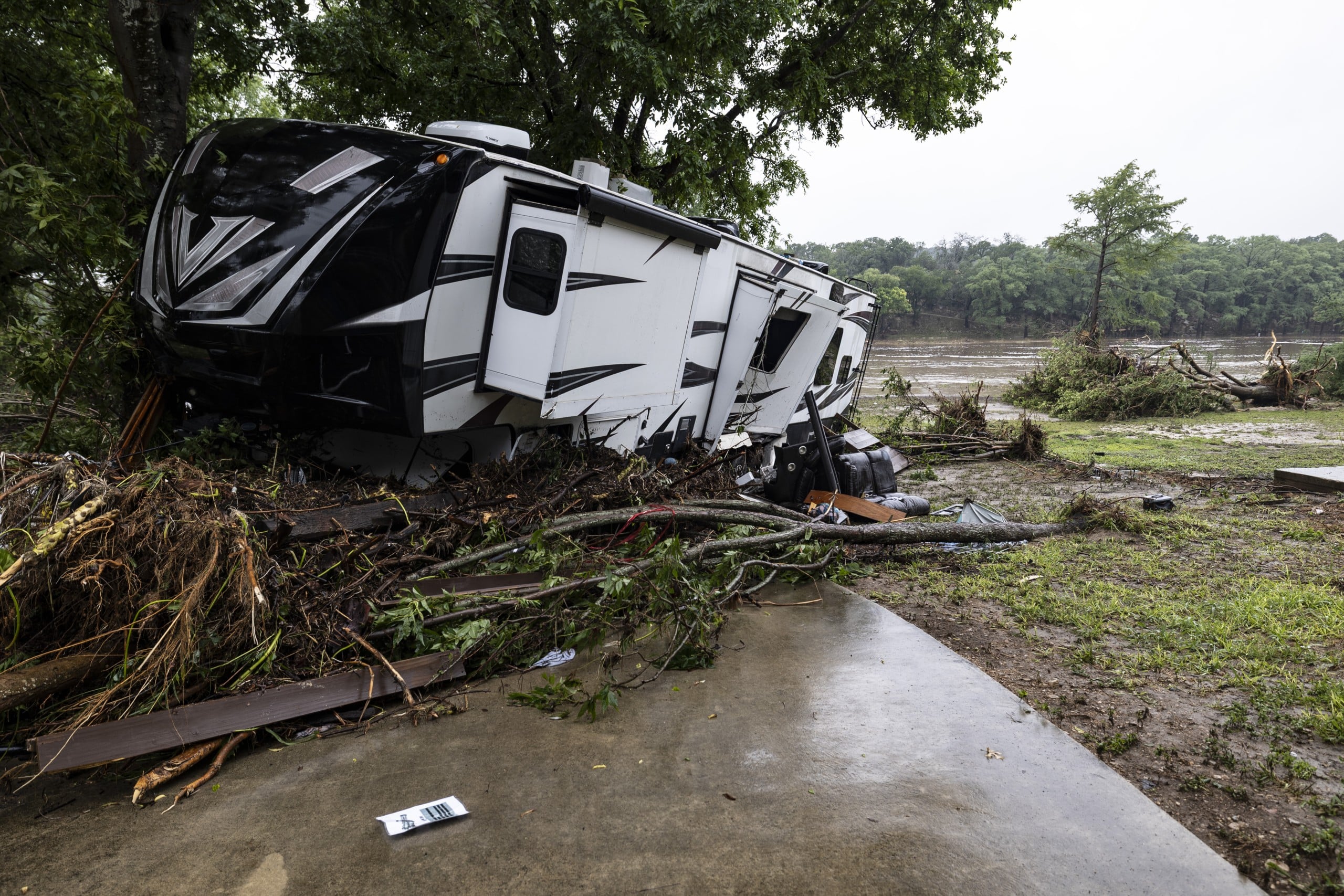
The July 4 flood followed a devastating path through what experts call the most dangerous flood zone. At Camp Mystic, at least 26 girls and two counselors died. Water then surged toward Heart of the Hills Girls Camp, where longtime Director Jane Ragsdale died trying to protect her counselors, then swept through Criders Dance Hall and Rodeo Arena before racing through nearly 100 residences, camps, and cabins downstream. The wall of water slammed into HTR TX and other RV parks where families slept unaware. At least 26 people died or remain missing from HTR TX alone.
“The floodway is a subset of the hundred-year floodplain and it’s the area where most of the water flows,” explained Jim Blackburn, co-director of Rice University’s SSPEED Center. “If you think of the floodplain as a general danger zone, the floodway is the most dangerous part. It is where we absolutely should not be building structures.”
FEMA documents show Camp Mystic successfully requested removal from the regulatory floodway in 2013. But Kerr County regulations allow recreational vehicles in floodways for up to 180 consecutive days if they remain “ready for highway use”—a distinction that proved meaningless when floodwaters rose 29 feet in 45 minutes during the middle of the night.
Kerr County’s flood management order prohibits “fill, new construction, substantial improvements and other development” in floodways but specifically allows RVs for up to 180 consecutive days if they remain “fully licensed and ready for highway use.” The storm poured four inches of rain per hour for three hours into West Kerr County, creating what Blackburn called “an incredibly intense rainfall, probably unlike anything that part of the world had seen previously. There was just frankly nowhere for the water to go.”
The flood revealed deadly flaws in risk calculations. Floodwaters didn’t just devastate the floodway but covered areas that FEMA maps classified as having only a 1% chance of flooding in any given year.
“We’re gonna see these types of storms more often,” Blackburn warned. “County officials like to help development. They don’t like to stop development… those are just the wrong emotions to have when it comes to flood risk.”
Infrastructure Damage and Recovery
The flooding crippled infrastructure throughout our region. The Kerrville Public Utility Board reported widespread power outages affecting approximately 2,646 customers, with Southeast Kerrville, Center Point, and Hunt among the hardest hit areas. The Hunt Substation flooded and remained inaccessible for damage assessment.
The city’s water treatment plant on Lake Nimitz was severely damaged, forcing the city to operate on well water for what officials said could be weeks or months. City Manager Rice urged residents to conserve water as the community adapted to this new reality.
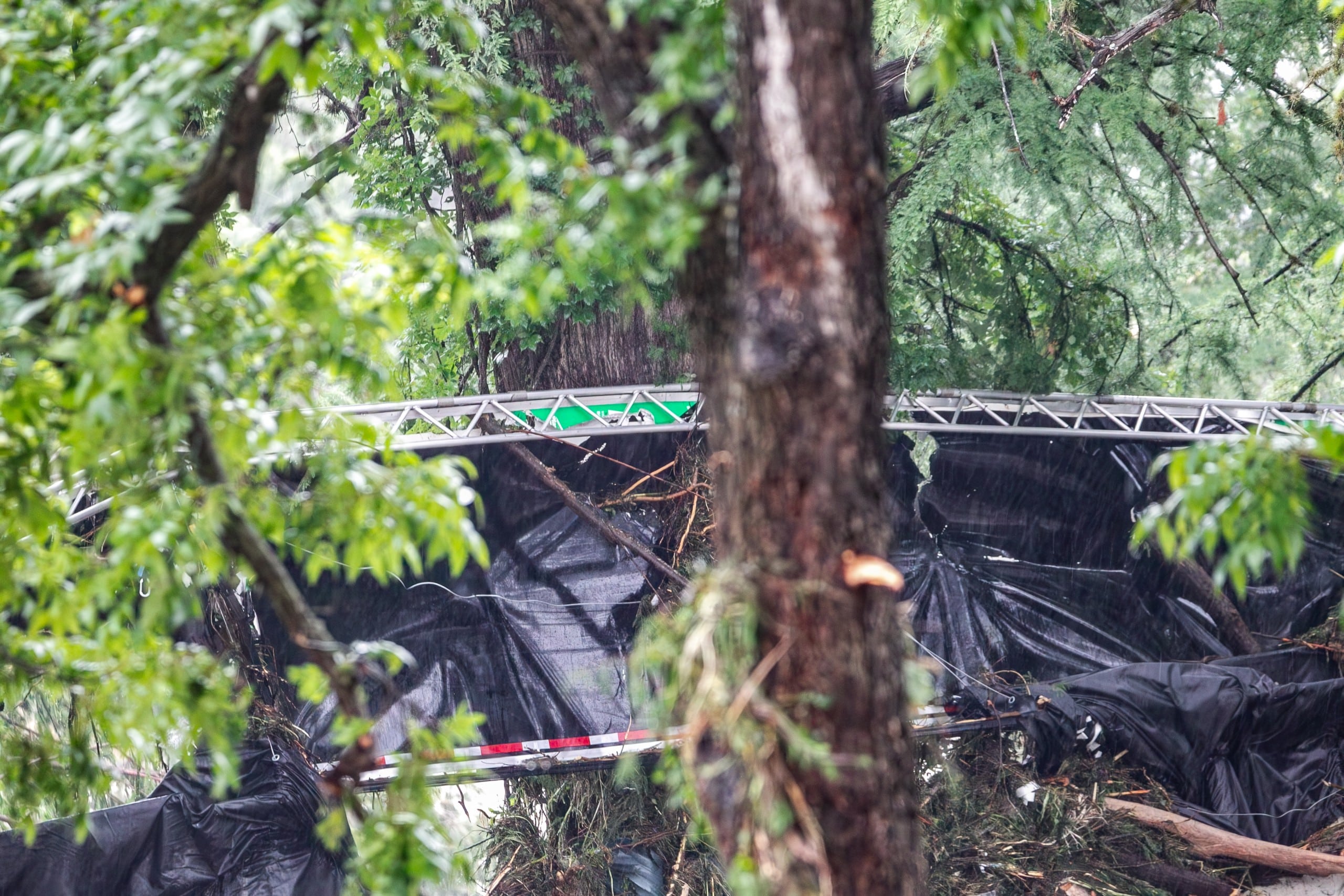
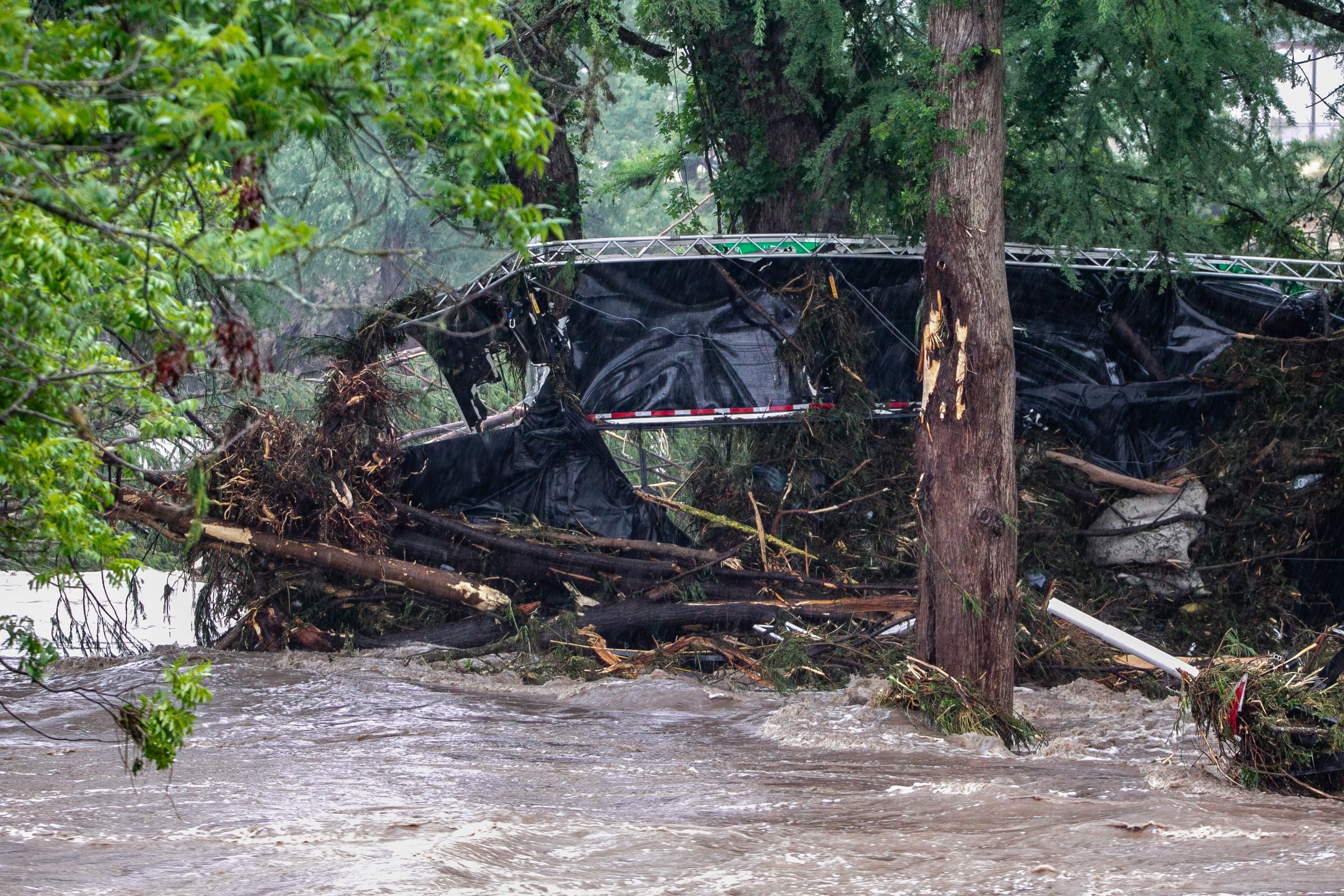
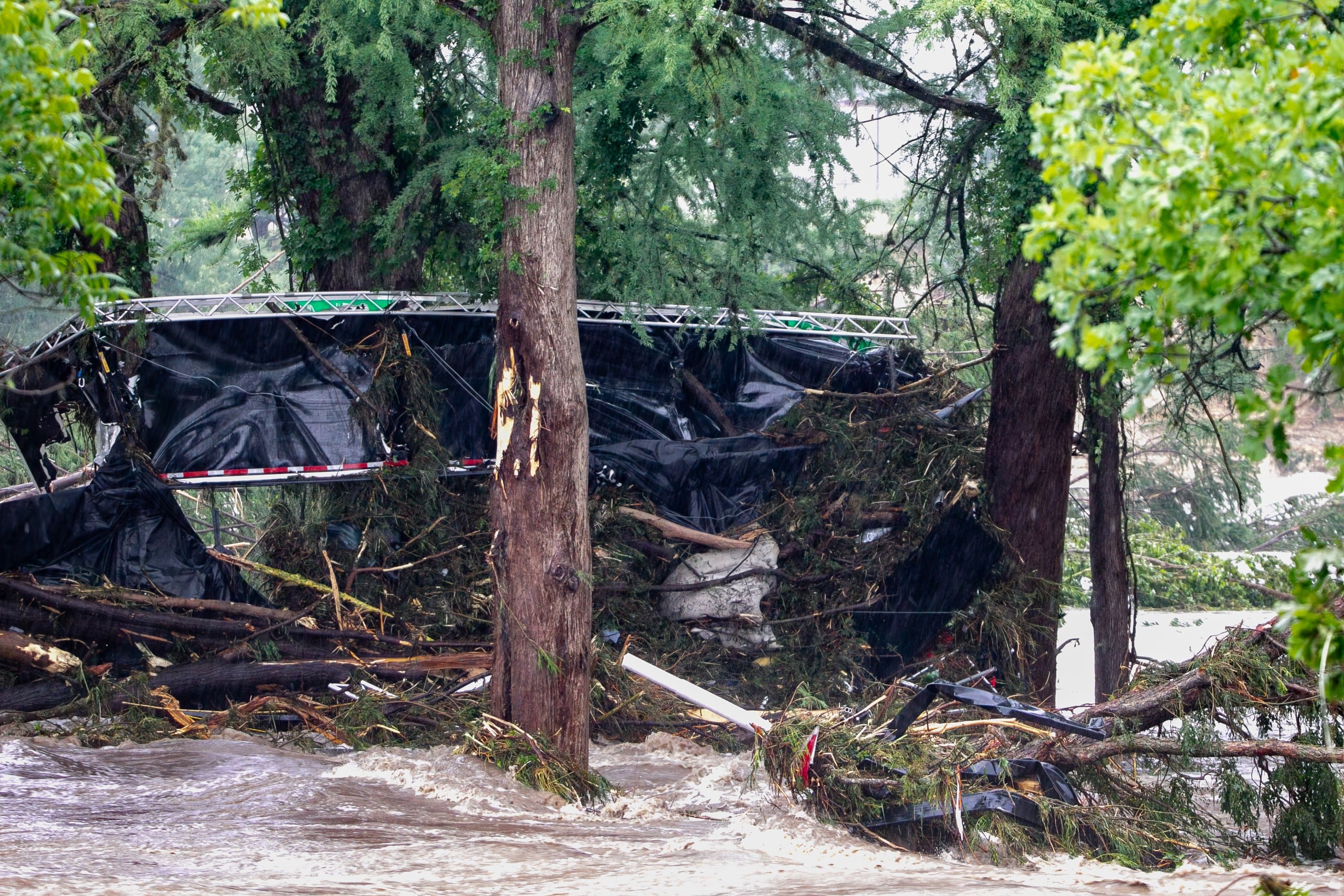
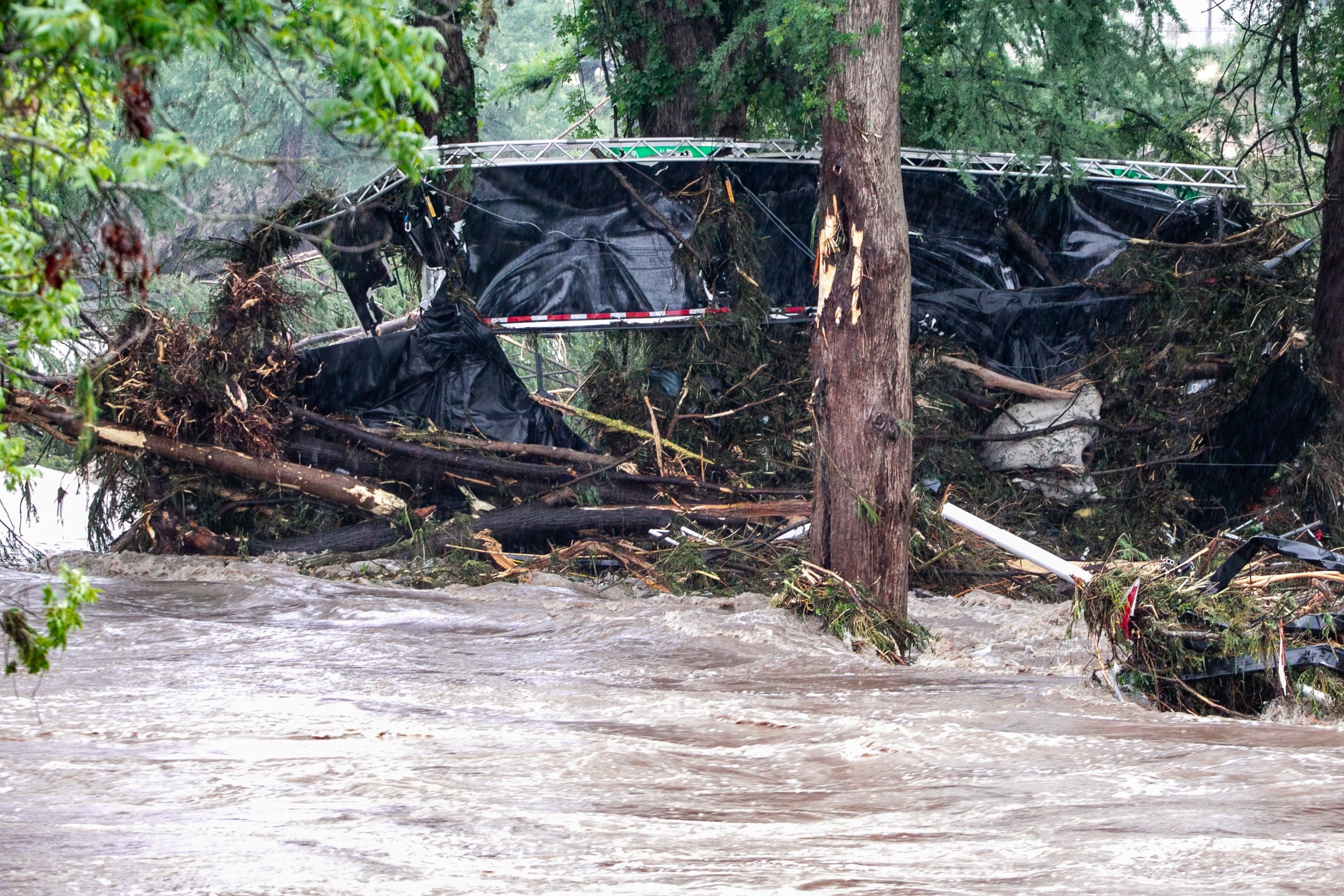
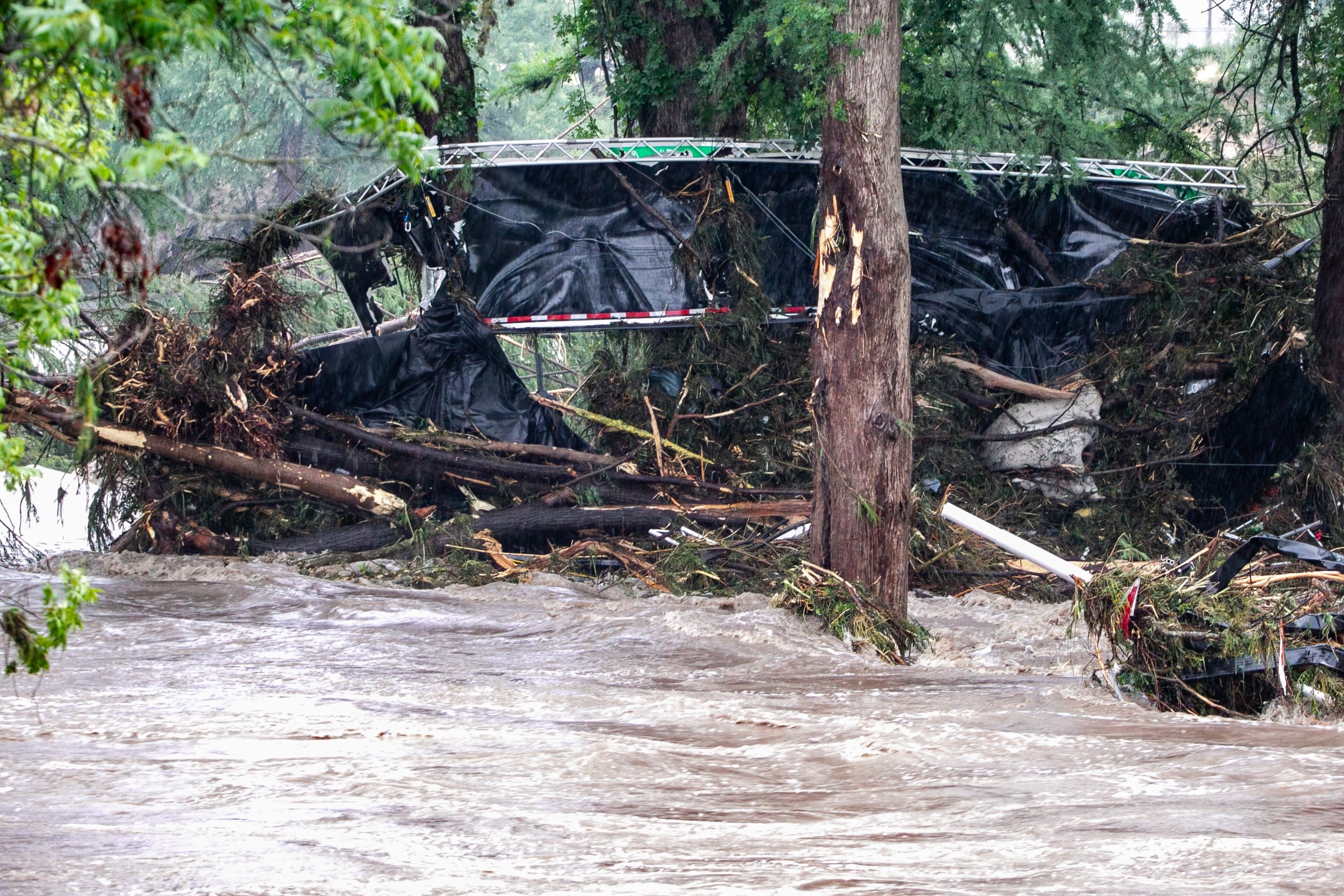
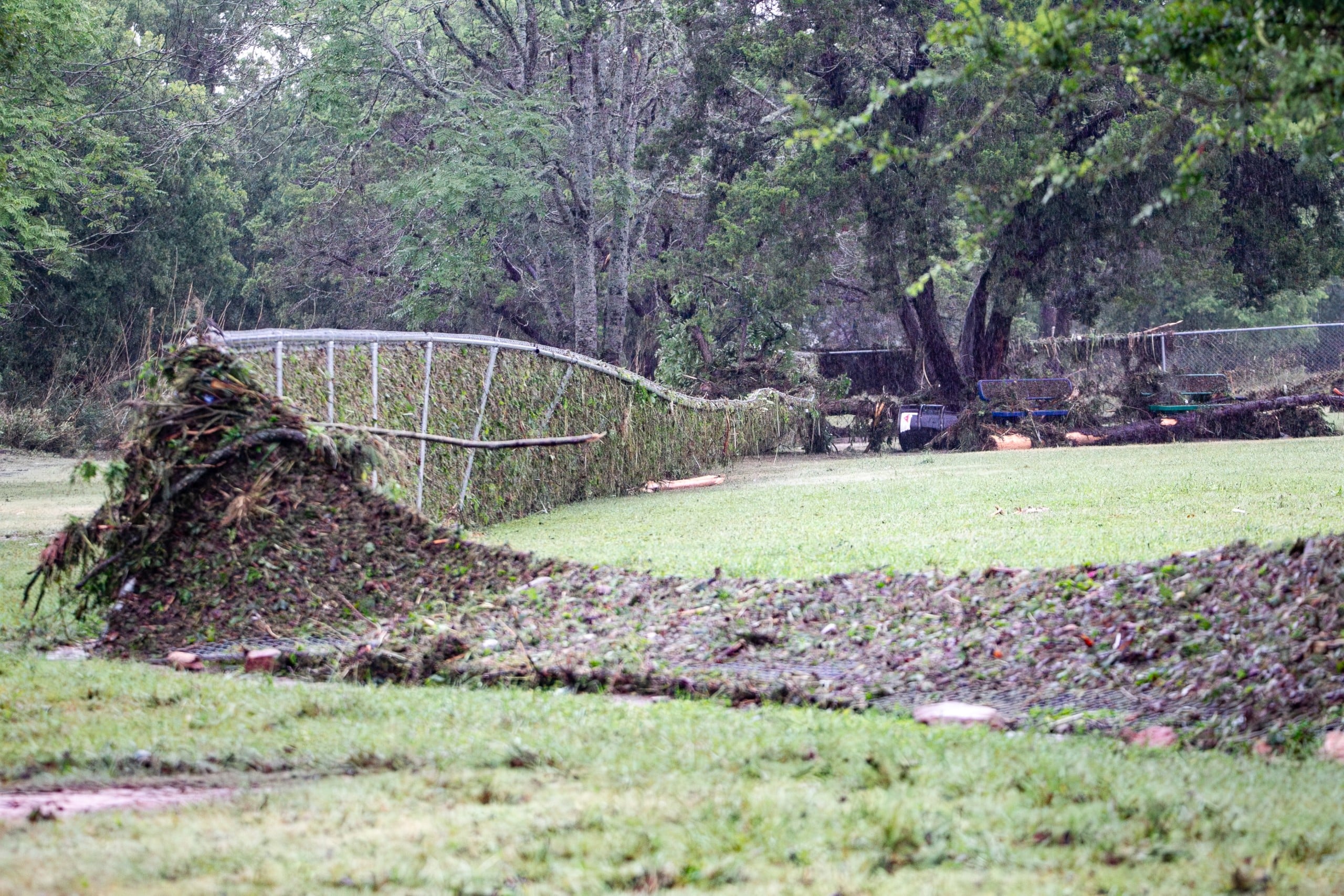
At Kerrville-Schreiner Park, eight cabins, 10 RV sites, and numerous tent sites were completely submerged—the same areas Rosa Ledesma had evacuated just hours before the flood struck. The city’s “Fourth on the River” holiday celebration was cancelled after Louise Hays Park flooded, and the stage for the event was seen downstream in a crumbled mass, caught by trees east of the park.
Moving Forward
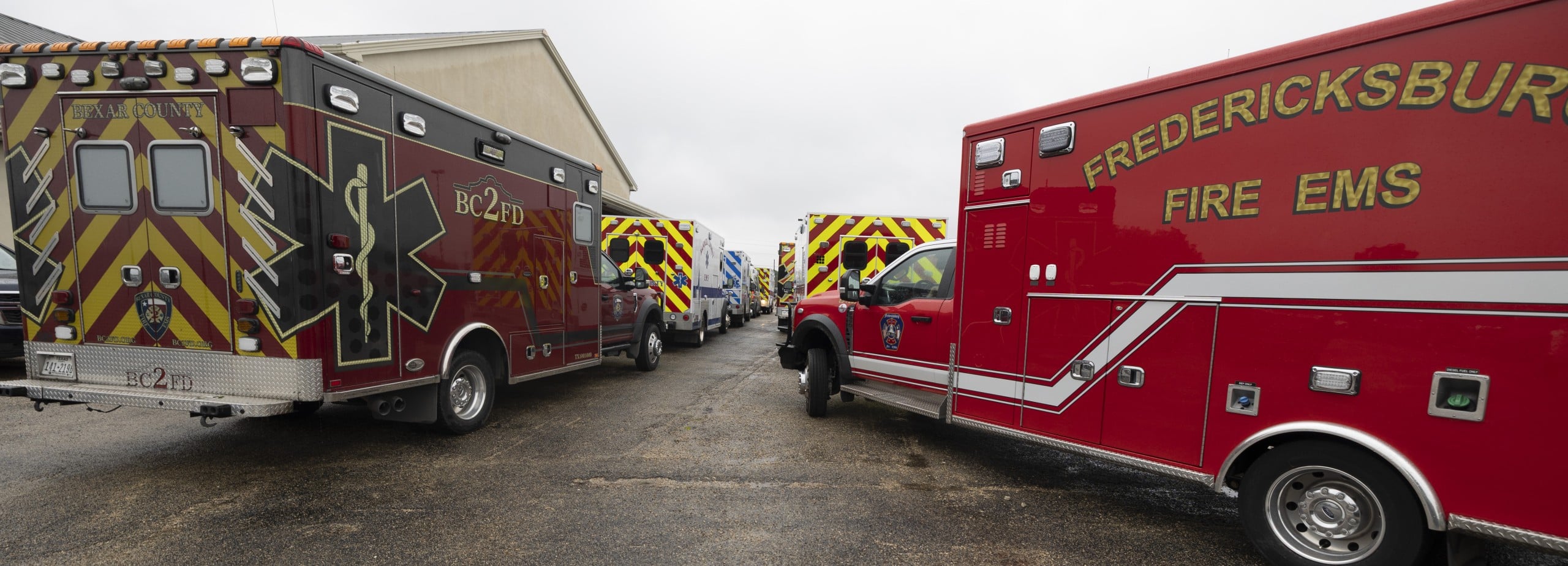
As this story is being written, more than 2,100 responders continue systematic grid searches, using heavy equipment to remove massive debris piles where victims might still be trapped. The search area extends approximately 30 miles west of Kerrville along the Guadalupe River.
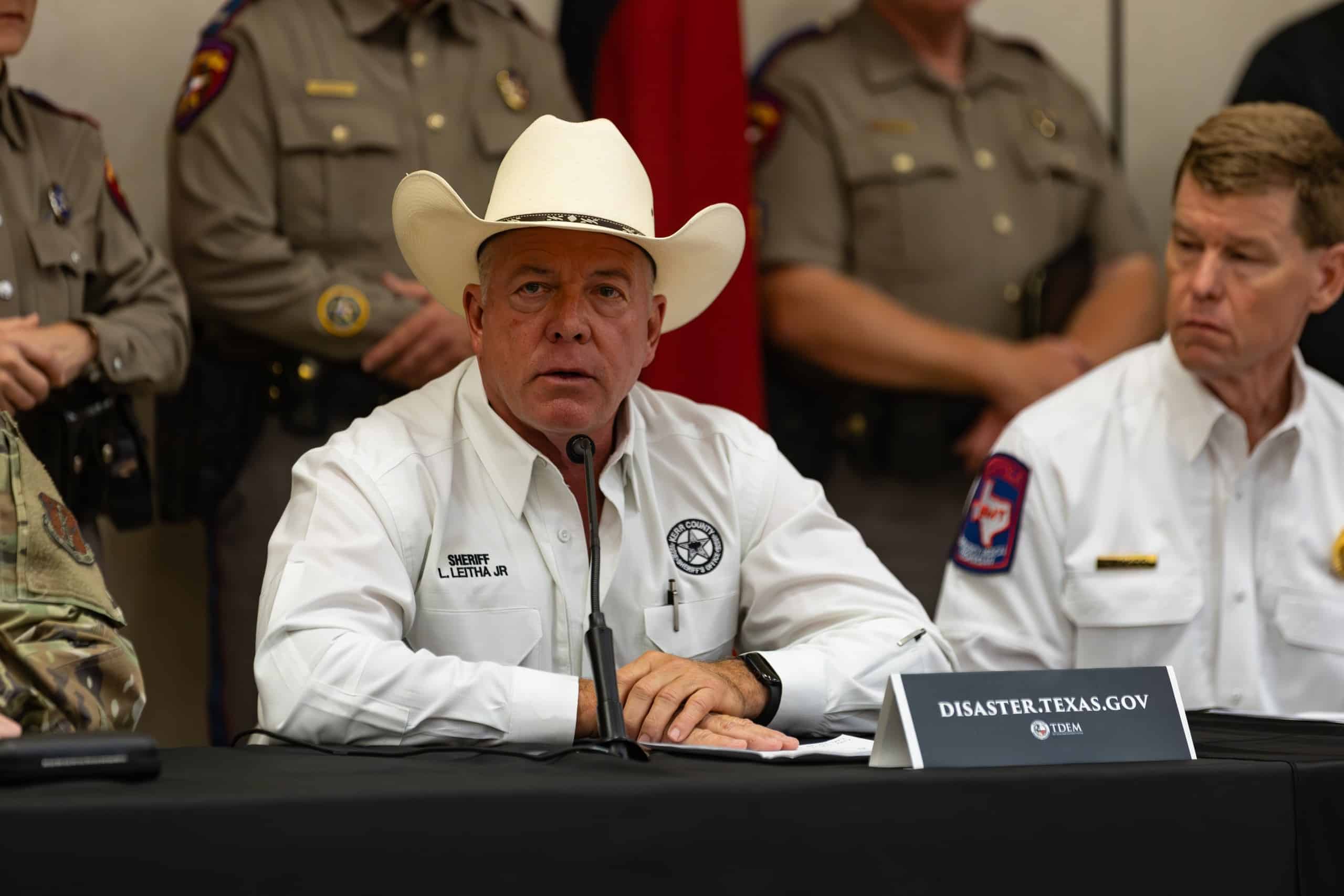
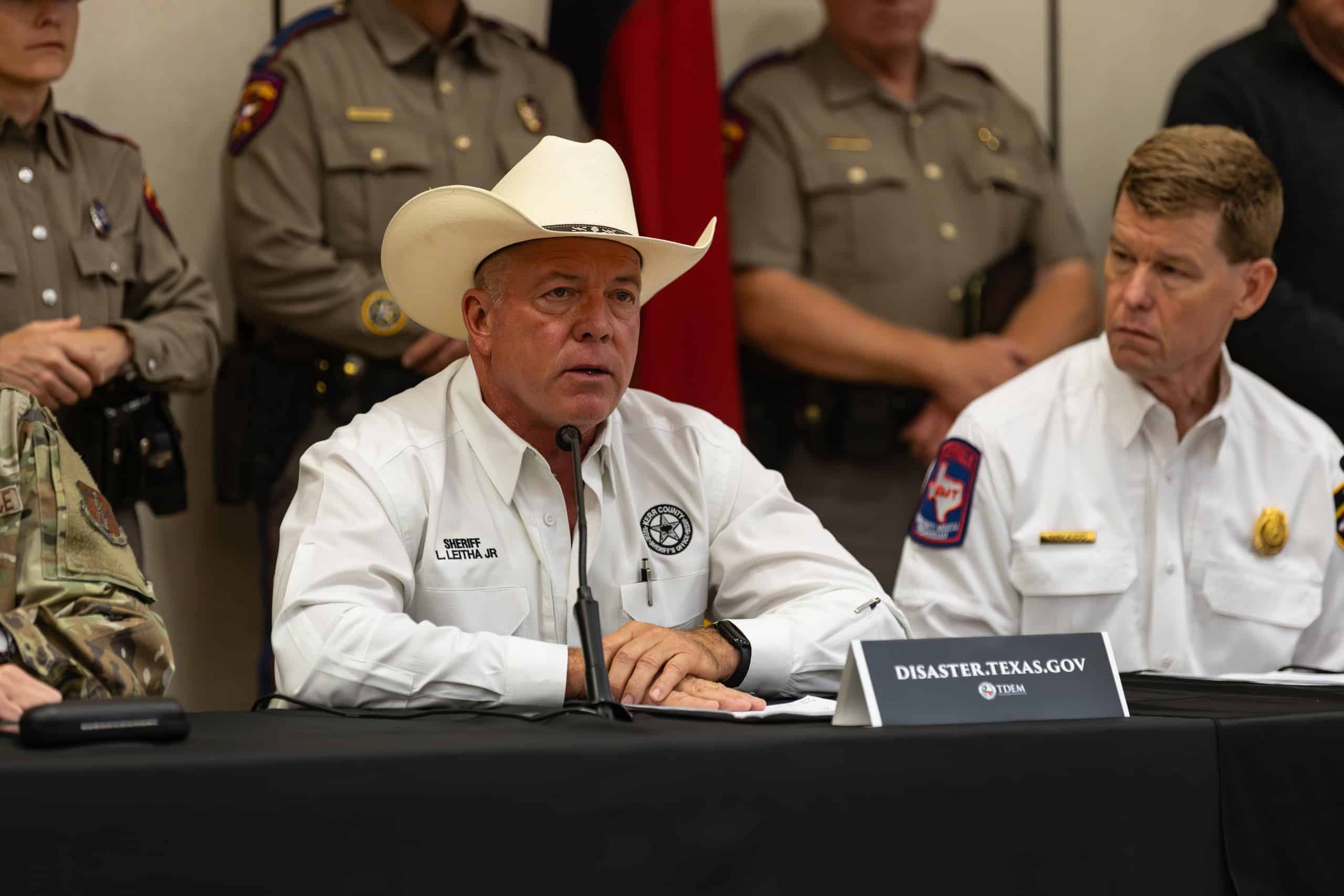
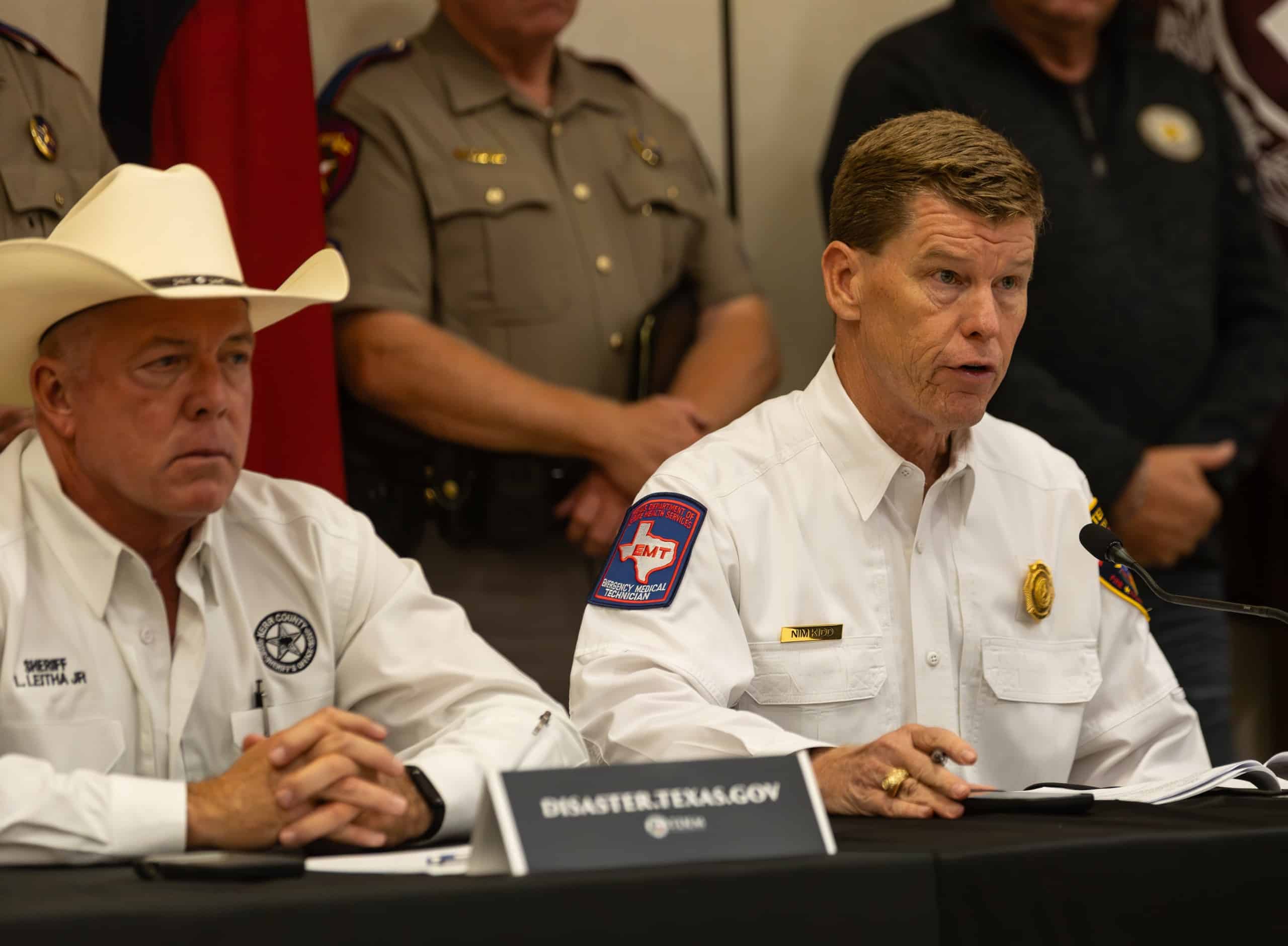
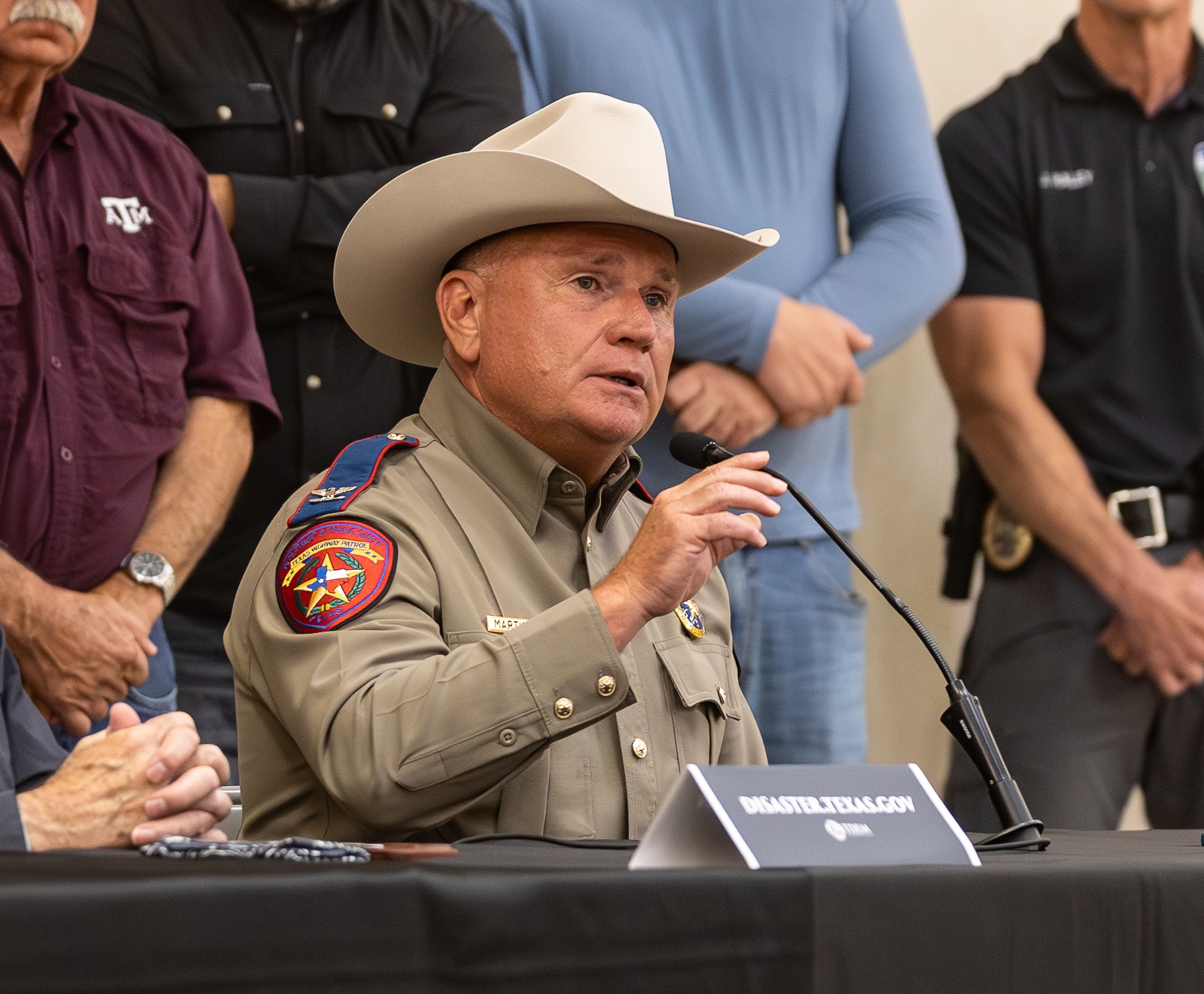
Sheriff Larry Leitha has promised an “after-action” review of emergency response protocols, asking for patience as the investigation continues. “What is worse, a death notification or telling somebody, ‘I don’t know where your loved one was?’” he said. “That’s my priority.”
The special legislative session that began July 23 addresses flood prevention measures, and a select committee of the Texas Senate and House of Representatives will meet on July 31st in Kerrville to examine the disaster and potential solutions. Meanwhile, the community focuses on the immediate needs: finding the missing and beginning the long journey toward healing.
The Human Cost
The numbers tell the story’s magnitude: 107 dead, 161 missing, 2,100 responders, millions of dollars in donations, and a river that rose beyond previous records. But behind every statistic are individuals whose lives were forever changed on July 4.
There’s Rosa Ledesma, who saved lives by acting early. Jane Ragsdale, whose camp legacy is remembered in the colored ribbons now flying throughout downtown Kerrville. The Zunker family, whose loss reverberates through our school district. The 26 young girls from Camp Mystic, whose futures were cut short by waters that no one could have predicted.
A Community Forever Changed
Two weeks after that horrific morning when I turned onto Cully Drive and witnessed the unimaginable, our community continues to demonstrate remarkable resilience. Schreiner University opened its doors under the motto “Enter with Hope.” The Kerrville Chamber launched a business recovery fund. Volunteers have provided more than 861,000 hours of support.
From the first alert at 1:14 a.m. July 4 to today, these two weeks have transformed our Hill Country community and prompted statewide discussions about preventing future tragedies of this unprecedented scale.
As Mayor Joe Herring Jr. said in a moment of quiet reflection, asking everyone to pray for Kerr County, we are a community that has faced the unthinkable and found strength in each other. The Guadalupe River that has defined our landscape for generations showed us its terrible power, but it also revealed the depth of our community’s compassion and resilience.
We will rebuild. We will remember. And we will never forget the morning when our peaceful river became a monster, and the two weeks that followed when we learned what it truly means to be Kerr United.






Author

Related Articles

Claud Jordan wins second term as Ingram mayor in close race
Jordan defeated Warren 75 to 70 — a margin of just five votes — with all precincts reporting. Jordan carried 51.72% of the total vote.

Suspect in juvenile assault arrested after overnight manhunt on I-10
David Bryan Cox Jr., 44, was arrested at approximately 11:05 a.m. Friday
Man wanted on assault charge armed and dangerous, Kerr County sheriff’s office says
A witness told authorities Cox was armed with at least one firearm and was wearing a ballistic vest and a gun belt loaded with multiple magazines. He was last seen wearing white basketball shorts.
Comments (0)
There are no comments on this article.