
Camp Mystic arbitration battle plays out over morning of legal argument in Austin
The hearing before Judge Maya Guerra Gamble in Austin featured competing arguments on whether Camp Mystic and its co-defendants have already forfeited their right to demand arbitration — and whether the arbitration agreements are legally enforceable to begin with.
A Travis County district court heard nearly three hours of legal argument Wednesday morning in the Camp Mystic flood litigation’s most pivotal procedural fight — whether the families of children who died in the July 4, 2025 Guadalupe River flood will have their day before a public jury or be forced into private arbitration.
The hearing before Judge Maya Guerra Gamble in Austin featured competing arguments on whether Camp Mystic and its co-defendants have already forfeited their right to demand arbitration — and whether the arbitration agreements are legally enforceable to begin with.
The defense case for arbitration
Defense counsel opened by invoking the Federal Arbitration Act, arguing it governs the camp’s Participation Agreements because Camp Mystic’s enrollment involved interstate commerce — specifically, the use of a Colorado-based internet portal to process fees, the hiring of international workers, and the enrollment of out-of-state campers.
Attorneys also argued that non-signatory defendants — including camp owners, insurance administrator NFP, and members of the Eastland family — can compel arbitration because they qualify as “released parties” contemplated by the agreement. They further argued that any questions about the scope or validity of the arbitration clause belong to an arbitrator, not the judge, because the agreement adopts AAA rules and contains a specific delegation clause.
On the question of waiver, the defense maintained that its litigation activity over recent months — including press statements, participation in the temporary injunction fight, exchange of initial disclosures, and a motion to transfer venue — amounted to standard defensive conduct, not an intentional relinquishment of arbitration rights.
Plaintiffs: the right to arbitrate is already gone
Attorney Russell Post, representing the Getten and Bellows families, asked the court to find that the defendants forfeited arbitration through their own conduct. He argued they violated a court order by unilaterally pulling their original arbitration motions before a specially set May 13 hearing — canceling without leave of court, he said, because they knew they were going to lose.
Post also argued that the FAA doesn’t apply because the transaction was purely intrastate — Texas campers, Texas counselors, Texas parents, and Texas-based defendants, with services delivered in Texas. The Colorado web portal, he said, had only a “trivial impact” on commerce, insufficient to meet the FAA’s substantial effect test. Without the FAA, Post argued, defendants concede the Texas Arbitration Act’s requirements for personal injury claims — which require attorney signatures on the arbitration agreement — are not met.
He also rejected the defense’s effort to extend arbitration to non-signatories, calling it an impermissible rewriting of the contract by importing a definition from the indemnity clause into the separate arbitration clause.
A separate fight over the counselors
A distinct dispute emerged over the two counselors killed in the flood — the Childress and Ferruzzo plaintiffs. Defense attorneys argued that arbitration clauses in the 2024 Participation Agreements the counselors signed as minor campers expressly survive termination and remain binding. Chloe Childress and Katherine Ferruzzo died at Camp Mystic.
Post called the argument “outrageous,” noting the counselors signed entirely new 2025 employment agreements that contain no arbitration clause. Under settled law, he argued, the 2025 agreements supersede the prior camper agreements, leaving no legal basis to compel the counselors to arbitration.
Plaintiffs’ second attorney: waiver through a PR strategy
Attorney Brad Beckworth, presenting on behalf of all plaintiffs, argued the defendants’ litigation conduct wasn’t just legally inconsistent with arbitration — it was part of a calculated public relations strategy to save the camp’s operating license.
Beckworth argued the defense used the March temporary restraining order hearing as a de facto merits trial, publicly declaring the camp blameless in hopes of securing its state license to reopen around Memorial Day. He cited statements by defense attorney Mikal Watts — including social media posts claiming “no jury in America will hold Camp Mystic responsible” and in-court statements calling for the hearing to be televised — as direct relinquishments of the right to private arbitration.
The defense’s strategy, Beckworth argued, collapsed when Judge Guerra Gamble’s March 5 order included a preliminary merits finding that plaintiffs had demonstrated a probable right to relief on negligence and gross negligence claims. That ruling, he said, prompted the camp’s pivot to arbitration.
Beckworth also presented physical evidence — including tuition checks from a Texas bank and handwritten letters mailed between Texas addresses — to argue the case has no meaningful interstate commerce connection.
He played video of a Texas legislative committee hearing in which Cile Stewart’s mother, CiCi, and a state representative expressed opposition to routing the cases into a private, closed-door proceeding.
Hearing cut short by technical problems
The morning session ended abruptly at 11:51 a.m. after the courtroom’s audio system repeatedly failed during Beckworth’s presentation, making it impossible for the judge to hear video exhibits. Judge Guerra Gamble recessed to allow the court’s IT staff to overhaul the sound system over the lunch break before the afternoon session.
The Camp Mystic litigation encompasses wrongful death lawsuits arising from the deaths of 28 people — 25 campers, two counselors, and director Richard “Dick” Eastland — at the Hunt-area camp during the July 4, 2025 flood. The cases are consolidated before Judge Guerra Gamble in the 459th District Court.
Author
Related Articles
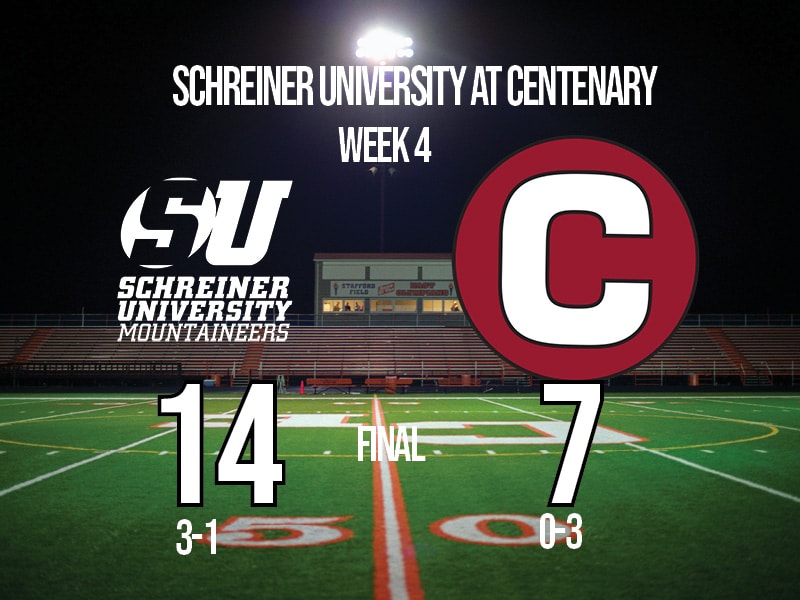
Schreiner’s defense holds on to win at Centenary for first road victory
The win moves Schreiner to 3-1 and gives the first-year program its first road victory. Its only other road trip was a 47-29 loss at Oklahoma Panhandle State on Sept. 12. Centenary fell to 0-3.
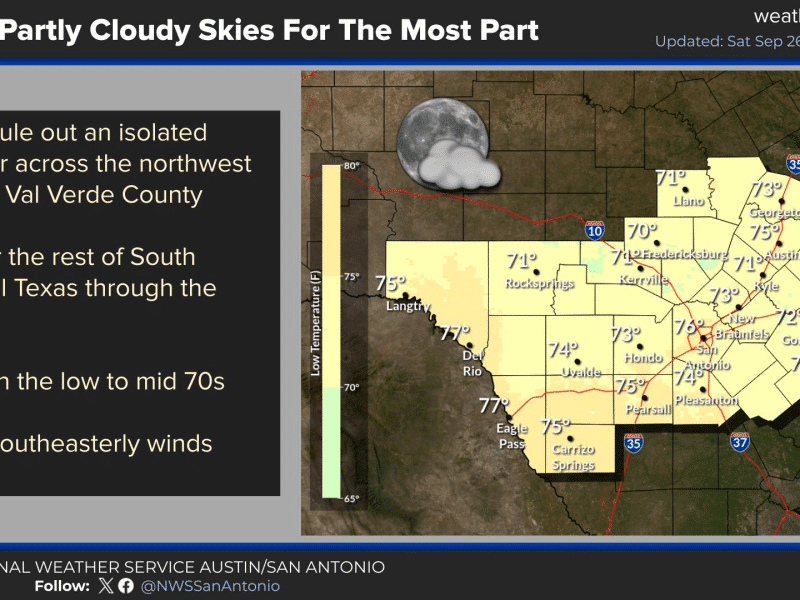
Rain chances for Kerr County now trending toward Thursday, with flash flood risk on forecasters’ radar
The trough responsible for the potential rain event was still taking shape over the northern Pacific as of Saturday and won’t reach the Pacific coast until sometime Sunday, when forecasters can begin sampling it more directly. Models have grown more consistent on the trough’s timing as it crosses the southwestern U.S., though its behavior once it reaches Texas remains a key uncertainty.
Camp Mystic owners propose selling camp, canceling Eastland family ownership
The companies expect the first bid to come from a buyer backed by a group of Camp Mystic families and alumnae.
Comments (0)
There are no comments on this article.