
The Big Beautiful Bill could leave 1,000 Kerr County residents without Medicaid, open gaps for others
Nearly 1,000 Kerr County residents could lose Medicaid coverage under proposed federal legislation, forcing Peterson Health and other local hospitals to absorb millions in unpaid medical bills, according to a Kerr County Lead analysis of Census data and research on similar policy changes.
The “One Big Beautiful Bill,” which passed the U.S. Senate Tuesday, would require Medicaid recipients to prove their eligibility every six months instead of annually and mandate that able-bodied adults work 80 hours monthly to maintain coverage. The six-month redetermination requirement would double the paperwork burden for recipients, forcing them to navigate complex forms and documentation twice as often. Research from states that implemented similar requirements shows about 25% of eligible people lose coverage due to paperwork barriers, even when they meet work requirements.
Local impact by the numbers
Census data shows 5,517 Kerr County residents earn less than $25,000 annually, making them particularly vulnerable to administrative hurdles. The county’s estimated 3,800 working-age Medicaid recipients include many who struggle with low wages and irregular schedules, though the county’s substantial retiree population of 10,613 Medicare recipients would largely be protected from the new requirements.
Research from the Center on Budget and Policy Priorities shows hospital uncompensated care costs in Medicaid expansion states totaled 2.7% of operating expenses in fiscal 2020, compared to 7.3% in non-expansion states like Texas.
Peterson Health, which serves Kerr County and surrounding rural areas including Bandera, Kimble and Real counties, could face an estimated $3.3 million annually in additional uncompensated care costs, based on the average $3,500 in unpaid medical bills per uninsured person. The health system’s service area has a combined population of more than 80,000 people, with rural residents typically having fewer healthcare alternatives when they lose insurance coverage.
Work requirements’ track record
Arkansas implemented similar Medicaid work requirements in 2018, resulting in 18,000 people losing coverage in seven months before a federal court halted the program. Research showed most who lost coverage were working or should have qualified for exemptions but couldn’t navigate the reporting requirements.
“And so they tend to lose benefits even though they are actually fulfilling the requirements. It’s the paperwork that catches them,” said Donald Moynihan, a Georgetown University professor who studies administrative burden, in an NPR interview about work requirements.
The proposed legislation would expand work requirements to age 64, up from the current 54, and reduce parental exemptions. Currently, parents with children under 18 are exempt; the bill would limit exemptions to parents with children under 7. Additionally, the six-month redetermination schedule means recipients would need to reapply for coverage twice as often, increasing the likelihood that eligible people could lose benefits due to missed deadlines or paperwork problems.
Rural hospital funding offset
The Senate version includes a Rural Health Transformation Program providing $50 billion over seven years to support rural hospitals and clinics. However, health policy experts say this falls short of the projected $119 billion in rural Medicaid funding losses over 10 years.
“And even worse, that rural transformation fund won’t just go to rural hospitals, it’ll go to health clinics and federally qualified health care centers, community mental health and opioid treatment centers, too,” said Sarah Jane Tribble, chief rural correspondent at KFF Health News, in a recent NPR interview.
ACA marketplace changes compound impact
The legislation also reduces access to private insurance through the Affordable Care Act marketplaces. The bill shortens the enrollment period, ending it Dec. 15 instead of Jan. 15. According to KFF analysis, about 40% of marketplace enrollees — roughly 10 million Americans — selected plans after Dec. 15 in recent years.
The bill also allows enhanced premium tax credits to expire at the end of 2025. KFF research shows these subsidies lowered households’ premiums by $705 annually in 2024, or 44%, reducing average costs from $1,593 to $888 per year.
“People who lose Medicaid due to work requirements won’t be eligible for marketplace premium tax credits,” said health policy researcher Robin Rudowitz at KFF. This creates a coverage gap where people lose Medicaid but can’t access affordable marketplace insurance.
For Kerr County residents earning between $25,000 and $50,000 annually — about 9,050 people — losing both enhanced subsidies and shortened enrollment periods could make marketplace coverage unaffordable or inaccessible.
Non-expansion state challenges
Texas could see nearly 2 million additional uninsured residents by 2034 under the legislation, according to Georgetown University researchers. About half of the 16 million Americans projected to lose coverage nationally would live in just five states: Florida, Texas, California, New York and Georgia.
Rural communities face particular challenges, as Georgetown research shows 40% of children in small and rural towns receive health insurance through Medicaid, compared to lower rates in urban areas.
Texas chose not to expand Medicaid under the Affordable Care Act, leaving many low-income adults without coverage options. The state’s hospitals already provide $5.5 billion annually in uncompensated care, costs typically passed to taxpayers and patients with insurance through higher premiums.
According to the health insurance marketplace guide HealthInsurance.org, “the current estimate is that Texas is rejecting between $5 billion and $6 billion in federal funds every year that the state refuses to implement Medicaid expansion.”
The 10,613 Medicare recipients in Kerr County — representing the area’s substantial retiree population — would be largely unaffected by the Medicaid work requirements, as Medicare covers most seniors aged 65 and older. However, an estimated 671 “dual eligible” residents who receive both Medicare and Medicaid could face reduced supplemental benefits.
Food assistance also affected
The legislation would also tighten SNAP food assistance requirements, potentially affecting an estimated 2,008 Kerr County residents. Work requirements would expand to age 64, and only parents with children under 7 would qualify for exemptions.
States would begin sharing SNAP costs for the first time in 2028, with Texas potentially paying 5% to 25% of benefits based on payment error rates.
Hospital financial strain
Rural hospitals nationwide have struggled financially, with 136 closing since 2010 according to the National Rural Health Association. About half of rural hospitals currently operate at a loss.
Former Senate Majority Leader Bill Frist and former Health and Human Services Secretary Kathleen Sebelius wrote in a recent U.S. News & World Report analysis that “when rural hospitals close, they trigger a distressing, multiyear ripple effect. For every 100 rural hospital jobs lost, another” economic impact follows.
What’s next
The House must now vote on the Senate version of the legislation. If passed without changes, it would go to President Donald Trump, who has championed the bill as fulfilling campaign promises to cut government spending while protecting those who “truly need” assistance.
The Congressional Budget Office estimates the legislation would increase the number of uninsured Americans by nearly 12 million by 2034 and add $3.3 trillion to federal deficits over 10 years.
Local implementation would begin in late 2026 if the bill becomes law, giving Texas officials about 18 months to develop new systems for increased eligibility checks and work requirement verification.
Census data analysis based on American Community Survey 2023 five-year estimates for health insurance coverage by income in Kerr County. Impact estimates derived from research on similar policy implementations in Arkansas, Georgia and other states.
How This Analysis Was Conducted
This analysis was built through collaborative work with Google’s Notebook LM to input more than 40 sources, including the Senate and House versions of the One Big Beautiful Bill, along with input from Claude, which gathered additional sources to provide a better analysis of the bill’s impact on Kerr County. These AI models were indispensable in explaining the complexity of this bill and synthesizing research from multiple academic studies, government reports, and policy analyses to estimate local impacts.
Author

Related Articles
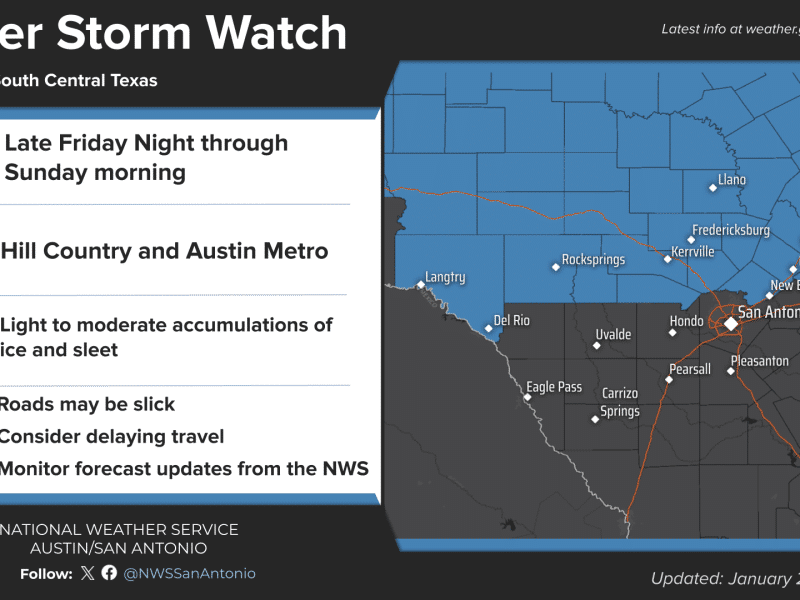
Winter Storm Watch, Extreme Cold Watch Issued for Kerr County as Life-Threatening Conditions Expected
The Winter Storm Watch is in effect from midnight Saturday through noon Sunday for areas roughly along and north of a line from Val Verde to San Marcos to La Grange, covering the Hill Country and northern Interstate 35 corridor including the Austin metro area.
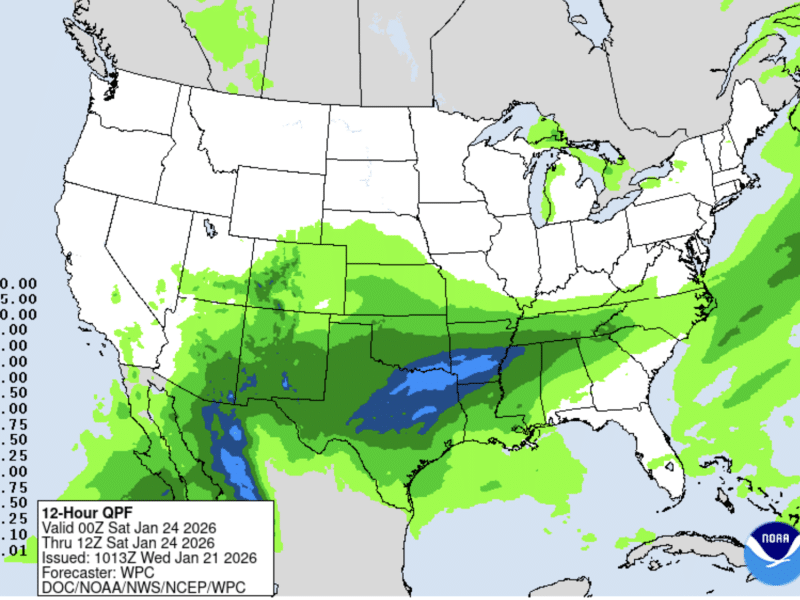
Winter Storm Watches, Warnings likely as dangerous ice, cold threatens Kerr County this weekend
The National Weather Service now forecasts “moderate to high probability” of a wintry mix of freezing rain and sleet beginning by 6 AM Saturday, with ice accumulations ranging from a trace to one-tenth of an inch. Areas of the Hill Country could see temperatures remain below freezing for 48 hours or more.
Comments (0)
There are no comments on this article.