
Texas’ new school-choice program begins funding accounts July 1
The Texas Education Freedom Accounts program, or TEFA, was created by Senate Bill 2, the education savings account measure — a voucher-style plan critics call vouchers and supporters call school choice — that the Legislature passed and Gov. Greg Abbott signed in 2025, after years of resistance led largely by rural Republicans.
Texas will begin distributing money this week under its first statewide school-choice program, with initial funding for nearly 73,000 education savings accounts set for Tuesday, July 1, the Texas Comptroller’s office said.
The Texas Education Freedom Accounts program, or TEFA, was created by Senate Bill 2, the education savings account measure — a voucher-style plan critics call vouchers and supporters call school choice — that the Legislature passed and Gov. Greg Abbott signed in 2025, after years of resistance led largely by rural Republicans. It lets families use state money for private school tuition, homeschooling costs, tutoring, instructional materials and other approved expenses.
Homeschool and other nonpublic students receive a $2,000 annual award, paid in full July 1. Students enrolled in participating private schools receive $10,474 for the 2026-27 year — set by the Texas Education Agency at 85% of the estimated statewide average of state and local funding per public school student — paid in installments: the first 25% on July 1, another 25% on Oct. 1 and the remaining 50% on Feb. 1, 2027. Students with disabilities may qualify for up to $30,000.
Demand far outstripped the money available. The state received more than 274,000 applications and has awarded over 100,000 accounts from a $1 billion pool set aside for the two-year budget cycle. Because that cap limits enrollment, the program will reach fewer than 2% of Texas’ school-age children in its first year; awards were prioritized by household income tier and assigned by lottery where applicants exceeded funding. The roughly 73,000 accounts funded July 1 are the first batch — families who opted in and, for private school students, had enrollment confirmed by the deadline. More will be funded in batches before school begins in August.
Acting Comptroller Kelly Hancock, whose office administers the program, has framed it as putting parents “in the driver’s seat.” Critics — including public education groups and many rural lawmakers — have argued the accounts route public money to private and home settings that face less state oversight, and that rural counties, where private schools are few, watch the funding leave without gaining comparable local options.
Families can spend the funds only through a state online marketplace, which opens July 1 and, the Comptroller’s office said, will list more than 54,000 approved products and services from nearly 2,400 vendors; purchases made outside it are not reimbursed. The office said the program will be audited by its internal team, an independent firm and the State Auditor’s Office. Information is at EducationFreedom.Texas.gov.
Author
Related Articles
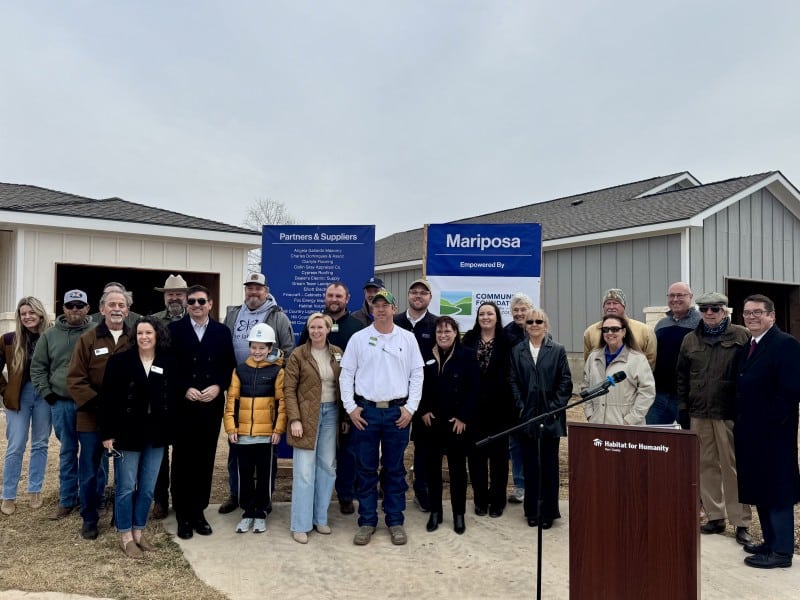
A year on, Habitat Kerr County expects 30 flood-impacted families home
The nonprofit says it has directed more than $5 million into the local economy through its recovery work, funded largely by the Kerr County Flood Relief Fund — with 10 families still on its caseload.

Supreme Court says political party spending limits unconstitutional
Justice Brett Kavanaugh, writing for the conservative majority, said so-called coordinated expenditures — party spending on advertising and other campaign activity carried out in consultation with a candidate’s campaign — are core political speech that the government may not broadly restrict.
Supreme Court strikes down Trump’s bid to end birthright citizenship
Justices rule 6-3 that the executive order is unlawful; five find it violates the 14th Amendment


Comments (0)
There are no comments on this article.