
Kinky Friedman, the master of storytelling and telling it like it is, dies at 79
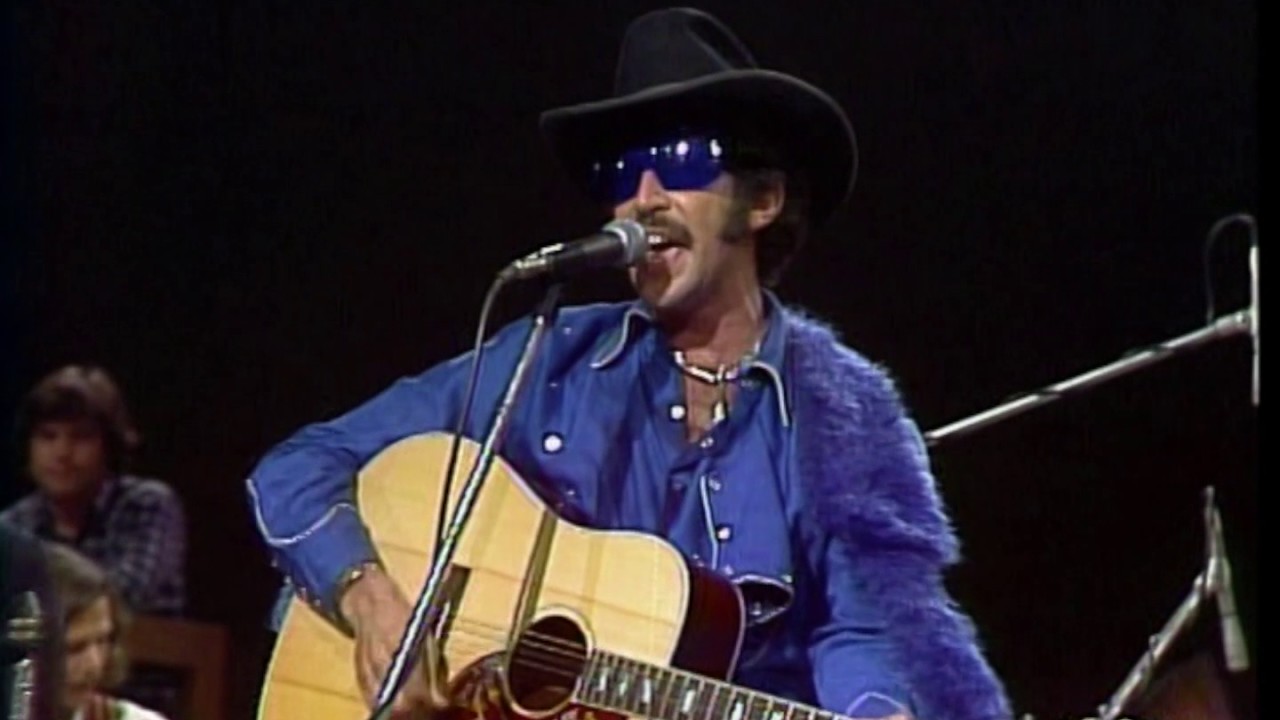
Friedman’s main success came from his over-the-top music career as the frontman for “Kinky Friedman and the Texas Jew Boys.”
In the final moments of his life, legendary Texas musician Kinky Friedman died on Thursday morning at the family’s Bandera County ranch just across the Kerr County line, surrounded by his friends and family, including his beloved pack of dogs. He was 79.
To say Friedman was larger than life is putting it mildly; he was a writer, a prankster, a provocateur and Texas gubernatorial candidate. His ability to shock and awe catapulted him into the realm of Texas legend — including getting booted off Austin City Limits.
During the final months, Friedman’s memory would come and go, his body seized by Parkinson’s disease, which made walking almost impossible, but he never lost his spirit.
Friedman spent his good days looking out the window and making eye contact with his pack of dogs. In late April, The Lead had a chance to visit with him, when he would tell a story before the memory flickered out. The real culprit in his passing was dementia, which robbed him of so many wondrous and raunchy stories.
“Look at that black-and-white one,” Friedman said of the large Buddy, a one-year-old Bernese Mountain dog who weighs about 100 pounds and whose love language gently reminds us he can bite your wrist clean off. “We gotta get a name for him.”
A friend gently reminded Kinky that the dog has a name — Buddy.
But when a friend mentioned his interview with gonzo journalist Hunter S. Thompson, there is a brief moment of joy before it fades. Kinky tries to recall a story, but his long-term memory betrays him before he returns to gazing at the dogs—this time, a big white dog lazily napping in the yard.
If there’s one moment of clarity, it’s around one of the seminal moments of his career — his 1976 banishment from Austin City Limits. Rowdy, raucous and naughty, Friedman said he couldn’t remember which song did him in that night, but he strongly suspects it: “It was they don’t make Jews like Jesus anymore.” It’s a lucid moment.
“Yeah, why did they do that?” Kinky asks his younger sister Marcie, who lives at the family’s summer campgrounds.
Twenty years ago, Friedman wrote about the incident in an article for Texas Monthly.
“In all its storied, glorified history as the longest-running music show on television, ACL has taped only one performance that it has steadfastly refused to air: mine,” Friedman wrote. “I’m not bitter about this (though I am bitter about almost everything else). Indeed, I take a somewhat perverse pride in the fact that, way back in 1976, Kinky Friedman and the Texas Jewboys were considered too risky, too controversial, and very possibly, too downright repellent for public television.”
Much of the performance is now available on YouTube, but not one endorsed by Austin City Limits. Marcie Friedman wonders if there should be a renewed effort to get the whole show re-aired.
Friedman’s small cottage on the family’s ranch and summer camp is more of a tribute to his parents, including his father’s World War II service in the Army Air Corps. By the time of The Lead’s April visit, Friedman required 24-hour care.
For many in Kerrville, Kinky Friedman was a well-loved fixture. He was always recognizable in his black hat and cigar, firmly clenched in his fingers. Some of his closest friends were Jon and Sandy Wolfmueller, and Friedman cherished Jon’s funeral program — still affixed to his refrigerator nearly two years after Jon’s passing.
The couple were also characters in some of Friedman’s many books.
Friedman’s main success came from his over-the-top music career as the frontman for “Kinky Friedman and the Texas Jew Boys,” who produced classics like “They Ain’t Makin’ Jews Like Jesus Anymore” and “Get Your Biscuits in the Oven and Your Buns into Bed.” He could offend everyone, including the National Organization for Women, which labeled him the “Male Chauvinist Pig of The Year.”
However, in his later years, with the help of his sister, Friedman helped turn his family’s ranch into a summer camp for children whose parents died serving the U.S. military. He also supported animal welfare, and Echo Hill Ranch was a commune for dogs, cats and horses.
Author
Related Articles
The narrative was that state resources were in Kerr County before the flood, but no one asked how many
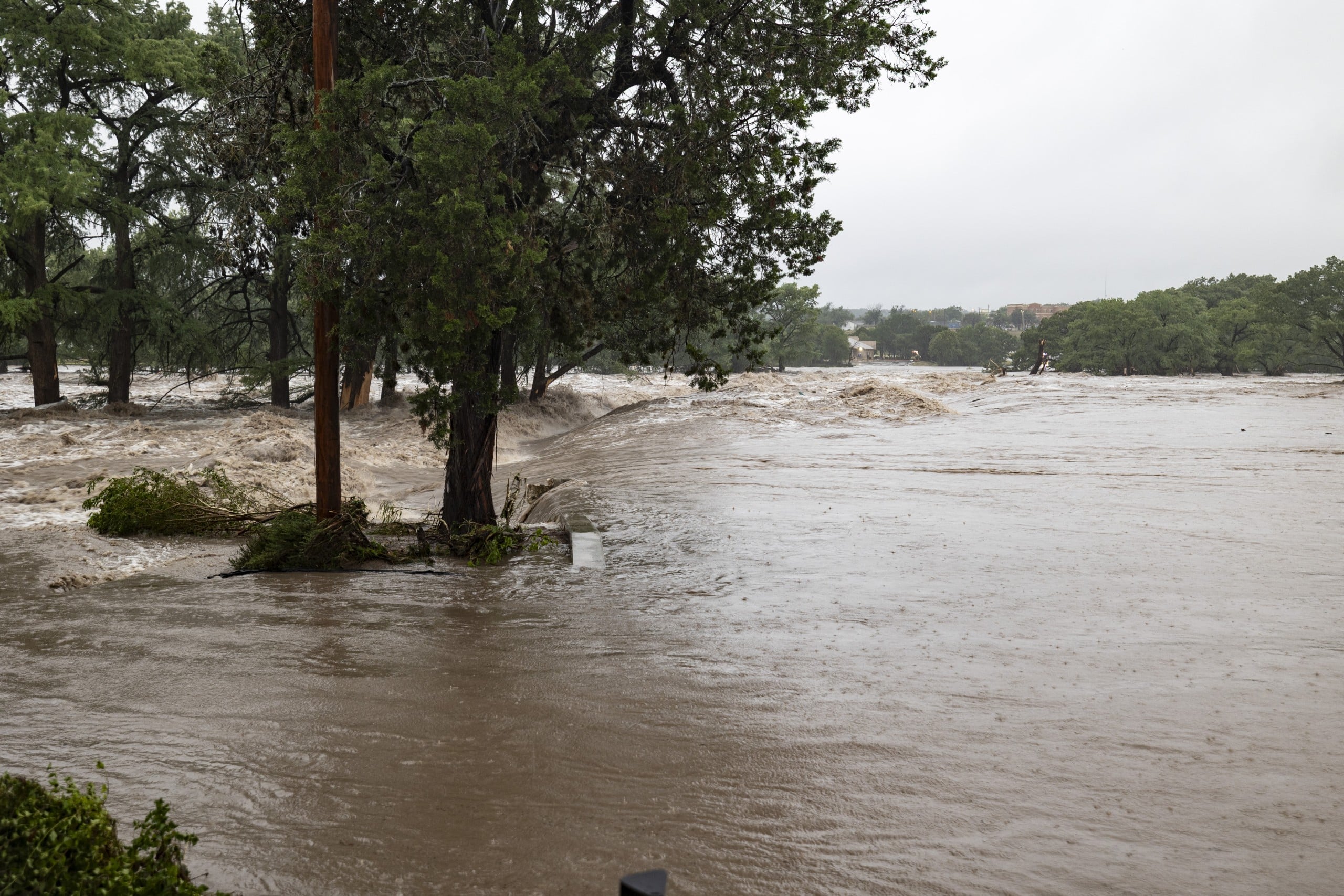
Documents obtained by The Kerr County Lead after more than a month of requests to the Texas Division of Emergency Management show that the state’s committed water-rescue presence in Kerr County, as the flood bore down, was a single six-person squad — staged in Kerrville, roughly 20 miles east of Hunt.

Kerrville’s new rules effectively block data centers, battery storage without an outright ban
“So we don’t want them but we have to be proactive in the way that we say we don’t want them,” Harris said.

A primer on development in Texas, the builders hold most of the cards to build what they want … but
Most of the heat around a big housing project comes from a simple mismatch: people assume the city holds powers it doesn’t, and don’t use the power it does. The clearest way to see what’s real is to walk it from both sides.
Comments (0)
There are no comments on this article.