
Texas Transplant Network: a kidney recipient, a grieving father, and a fund named after a 19-year-old who saved nine lives
The Texas Transplant Network, which Pendergraft founded and which received its 501(c)(3) designation in May 2025, addresses a specific financial barrier: the donor’s costs.
Ryan Pendergraft was born with one kidney. He did not know it for most of his life.
He found out when the kidney started failing in 2019. By then he was also dealing with metastasized thyroid cancer — a combination that caused multiple transplant hospitals to reject him outright. San Antonio Methodist took his case. On June 29, 2022, Pendergraft received a kidney from his close friend Brad Freeland.
Freeland chose to donate after his 19-year-old son accidentally died of a painkiller overdose. The young man’s organs saved nine people. On the drive home from the funeral, Freeland made a decision.
“I watched you do dialysis,” Freeland told Pendergraft, as the founder recalled Wednesday on Lead Live. “I watched you struggle. But you did what your doctors told you. I knew you would take your meds — to make the most of that kidney.”
The Texas Transplant Network, which Pendergraft founded and which received its 501(c)(3) designation in May 2025, addresses a specific financial barrier: the donor’s costs. When someone donates a kidney, the recipient’s insurance — typically Medicare — covers all medical, surgical, and testing expenses for the recipient. The donor’s insurance covers their own surgery. What nobody covers is the donor’s travel, lodging, meals, child care, and lost wages during recovery. Those costs average around $2,000. In complex cases, they can reach $80,000.
The Bradley Freeland Living Donor Fund — named for the man who gave Pendergraft his life back — provides direct grants to cover those costs, removing the economic barrier that prevents willing donors from following through.
Pendergraft also addressed a misconception that he said prevents people from registering as organ donors: the fear that emergency personnel will deprioritize a registered donor’s care at a scene. EMS protocol is always stabilization first, he said. Donor status is irrelevant until the patient has been declared brain-dead by a physician.
He also described what it felt like to wake up after years on dialysis with a working kidney.
“It’s like going from a black and white TV to the best 8K TV you can remember.”
To register as a donor or support the Bradley Freeland Living Donor Fund: texastransplantnetwork.org.
Author
Related Articles
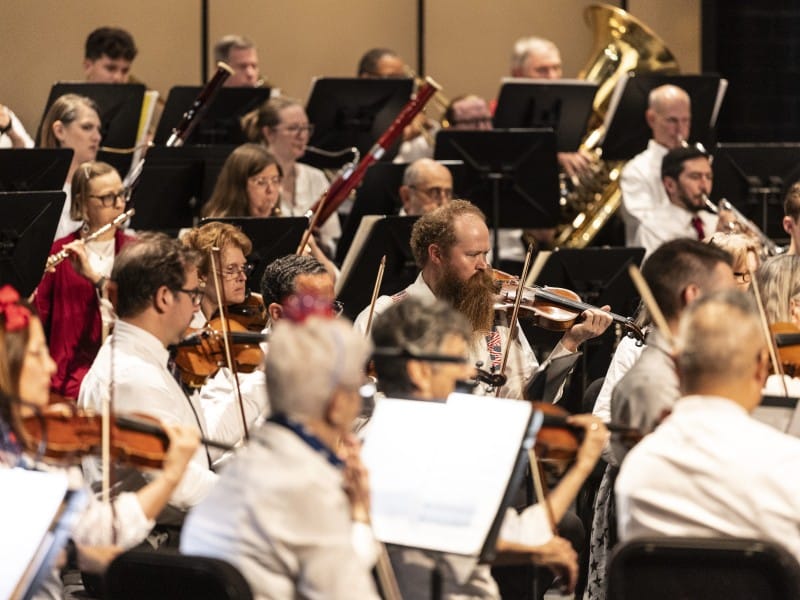
Symphony of the Hills opens season Oct. 8 with Weber and Brahms — and the Governor came to their July 4 concert
Dowdy, the orchestra’s conductor and artistic director, appeared alongside Board President Tim Summerlin to discuss a season that is both one of the symphony’s most programmatically ambitious in its 26-year history.
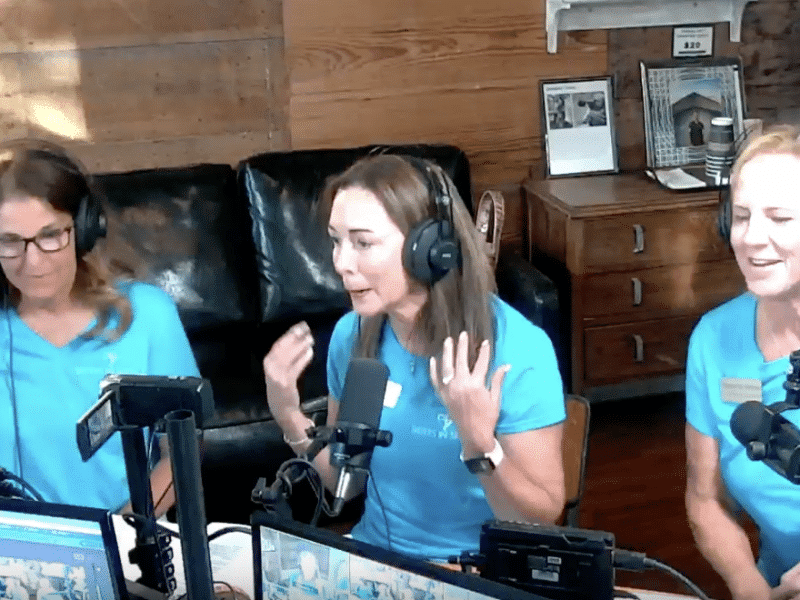
Sisters in Service: the nonprofit that shows up for other nonprofits — 11-hour days and a golf tournament coming
Sisters in Service began as a Bible study. It evolved into something harder to categorize — a logistics operation embedded in the Hill Country’s nonprofit network, deploying volunteers and resources wherever the gap opens.
Hill Country Master Gardeners: 10,000 volunteer hours, 80% tree survival, and a training class starting in March
The organization’s Demonstration Garden at the AgriLife center showcases deer-resistant native plants that perform in the Hill Country’s specific conditions — a living reference library for homeowners, ranchers, and land managers. The First Wednesday public speaker series brings horticultural expertise to the public at no cost.
Comments (0)
There are no comments on this article.