
Texas Wildlife Association brings flood awareness, animal skulls, and a new educator to Hill Country schools
TWA’s local presence is anchored by Jonathan Letz, a former Precinct 3 commissioner, former TWA board president, and foundation trustee, who brought a dedicated Hill Country educator to the region. TWA has also aligned its curriculum with UGRA and is working closely with Riverside Nature Center.
The Texas Wildlife Association’s newest Hill Country educator describes her teaching style as “over-the-top.”
“I am very well known for my costumes,” said Jolene Amburn, who spent 20 years in classrooms ranging from a charter school to a state prison to a high school algebra class in deep East Texas before relocating to Kerrville specifically for this role. “I love to be in character.”
Amburn joined Kassi Scheffer-Geeslin, TWA’s spokesperson and educator cohort director, on Friday’s Day 1 broadcast of Nonprofit Week. TWA is a 40-year-old statewide nonprofit whose mission covers private landowner advocacy, game management through structured hunting, and classroom conservation education.
Last year, TWA’s programs reached more than 800,000 youth and adults across Texas. Amburn’s Hill Country territory covers nine counties, from Mason and Llano down to Uvalde. Her classroom presentations — all free to public, private, and charter schools — are aligned to Texas Essential Knowledge and Skills standards and are primarily designed for students in grades three through six.
The programs include Skins and Skulls, where students handle real animal skulls to identify predators from prey; Where’s Our Water?, which uses interactive watershed tables to show how water moves through the land; and a tactile soils education program. “Turns out it’s just dirt,” Scheffer-Geeslin said, “but they love it.”
Amburn, a certified Texas Master Naturalist, huntmaster, and bowhunter education instructor, is also certified with Texas Stream Teams to conduct active water testing. She is intentionally using TWA’s water curriculum to help children process the floods — explaining riparian zones, erosion control, and why landowners leave brush on riverbanks, which can look untidy but protects soil and habitat.
“The conversations of flooding and what’s happening, and why things can be done — maybe where the students can be more responsible and be stewards of that, and maybe not be so afraid of that,” Amburn said.
TWA is pro-hunting, using harvest programs as a scientific tool for game management and invasive species control. The Texas Youth Hunting Program has paired youth with parents and guardians for structured hunts on private lands for more than 20 years, including a local “Super Hunt” at Cave Creek School for whitetail deer. An adult learn-to-hunt program guides first-time adult hunters through the full process, including cooking the harvest.
TWA’s local presence is anchored by Jonathan Letz, a former Precinct 3 commissioner, former TWA board president, and foundation trustee, who brought a dedicated Hill Country educator to the region. TWA has also aligned its curriculum with UGRA and is working closely with Riverside Nature Center.
Teachers, parents, and administrators can book a free classroom visit from Amburn through texas-wildlife.org.
Author

Related Articles

All Hands and Hearts: ‘Flash flooding typically doesn’t go for 20 miles’
The organization is working in close collaboration with Texas State University and San Antonio regional VOAD — Voluntary Organizations Active in Disasters — networks to develop and share mitigation education more broadly.
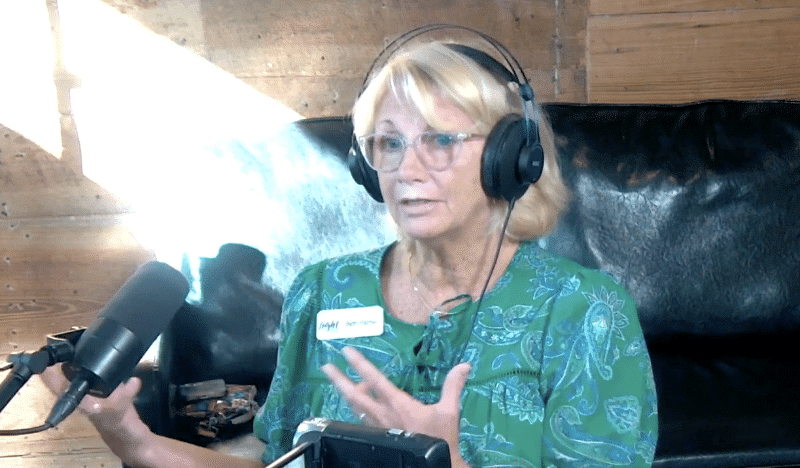
Light on the Hill: 469 households reached, 200 more this week, and a food pantry Monday morning
Palmer appeared as the opening guest of Nonprofit Week’s final day to describe an organization that has been in continuous disaster response mode since July 4, 2025 — and is, by her own honest assessment, running a marathon with no finish line in sight.
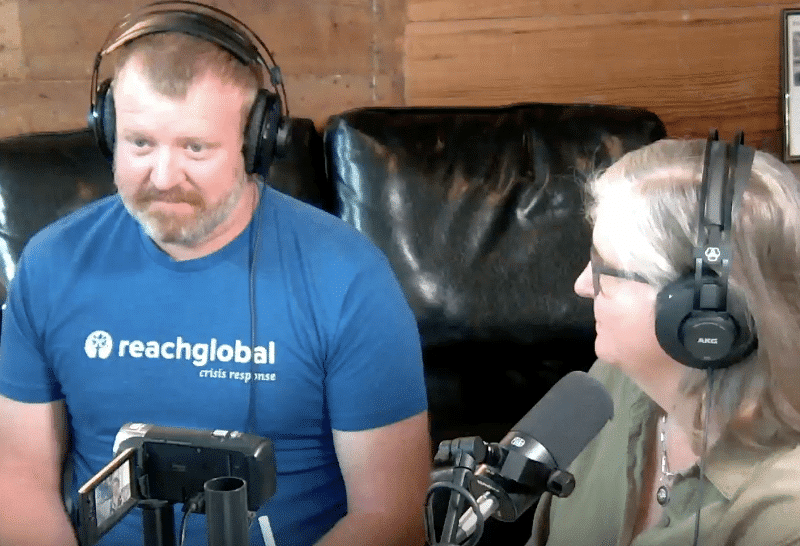
Reach Global: ‘People over projects’ — and a daughter born in a baptistry at the peak of the flood
Reach Global Crisis Response was founded by Mark Lewis during Hurricane Katrina after he observed something most disaster relief organizations miss: survivors often experience their deepest emotional trauma not during the disaster but after — when the crews leave, the house goes quiet, and the weight of what happened finally lands. The organization’s entire model is built to address that gap.
Comments (0)
There are no comments on this article.