
Aquatic life showing signs of resilience after second major flood, state biologists say
Recovery efforts already underway as TPWD expands assessments across multiple watersheds
By Jennifer Dean | The Kerr County Lead.
Texas Parks and Wildlife Department fisheries biologists are cautiously optimistic about the fate of aquatic life in the upper Guadalupe River following the July 16 flood, even as they continue monitoring species and habitat that were still recovering from last summer’s devastating July 4, 2025 floods.
Alice Best, regional director of TPWD’s Inland Fisheries Division Region 2, said staff had already completed field surveys at multiple river sites in the days following the flood and found fish present at every location sampled — a promising early sign.
“Staff observed fish at all surveyed sites,” Best said. “However, it is too early to understand the full impact of the flooding on fish populations.”
Broader reach, familiar patterns
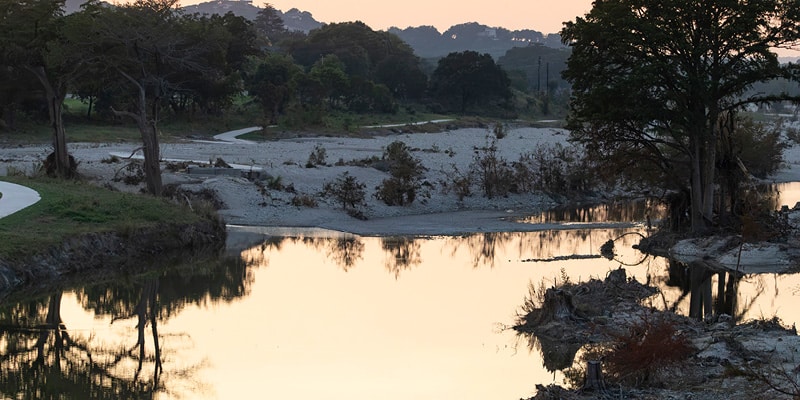
The July 16 flood covered substantially more ground than the 2025 disaster. Best noted the impacted area extended across more watersheds, amplifying the scope of damage to both private property and public river access. She said the expanded reach also pushed water levels higher in area reservoirs — a development that, counterintuitively, may carry a silver lining.
“Increased reservoir water levels will likely create an increase in productivity and fish growth over the next year,” Best said.
As for the rivers themselves, biologists expect recovery trends to largely mirror what they documented after the 2025 floods, when fish populations in the Guadalupe, Llano, and surrounding Hill Country rivers proved more durable than many feared.
How fish survive floods
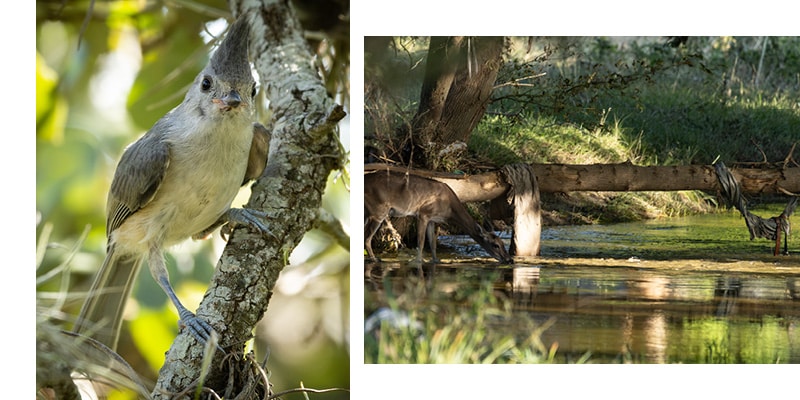
Hill Country fish are adapted to periodic flooding and drought, a pattern that has shaped the region’s waterways for millennia. During high water events, some species seek calm water in tributary streams or on the floodplain, while others shelter behind boulders and submerged wood to ride out powerful currents.
Once floodwaters recede, fish typically return to their home reaches. TPWD’s own post-flood studies found that populations generally recover to pre-flood conditions within two years — without intervention like supplemental stocking.
Guadalupe bass, the official Texas state fish and a species closely identified with Hill Country rivers, may ultimately benefit from the disturbance. Floods scour excess sediment, rebuild gravel bars and riffles, and deposit boulders and woody debris — all factors that improve habitat quality for the species. Surveys following both the 2015 Blanco River flood and the 2018 Llano River flood found adult Guadalupe bass remained abundant even after significant habitat disruption.
TPWD launched a multi-year study after the 2025 floods to track fish population recovery across the Guadalupe, Llano, Pedernales, and Nueces rivers. That study — examining habitat changes, fish community composition, and Guadalupe bass recruitment — is now in its second year and will continue for another two to three years. Results will guide any future management decisions, including stocking or habitat restoration projects.
Mussels: cautious hope
The picture is more complicated for the Guadalupe River’s endangered freshwater mussels.
Following the 2025 floods, staff from TPWD, the Upper Guadalupe River Authority, the Guadalupe-Blanco River Authority, and the U.S. Fish and Wildlife Service spent months conducting post-flood assessments of mussel communities. Early surveys found few mussels in sampled areas — a concerning result — but biologists later found pockets of intact mussel habitat and evidence that populations had persisted.
Best said the agencies expect mussels to have similarly survived the July 16 event, though surveys will be needed to confirm it.
“TPWD staff will continue to work with our federal and state partners on post-flood mussel surveys and to help restore the mussel community in the upper Guadalupe River basin,” she said.
Recovery infrastructure expanding
The back-to-back flood years have prompted TPWD and its partners to build out a more robust recovery pipeline.
Following the 2025 floods, TPWD coordinated eight educational and outreach events drawing more than 500 landowners and volunteers, distributed 6,400 pounds of native seed mix, and established six public demonstration sites in Kerr County. The agency also worked to address a gap in the native plant supply chain: many species used in riparian restoration aren’t grown commercially and take six to 18 months to produce.
Those supply arrangements, put in place earlier this year, mean more material will be available this fall than was on hand a year ago. The Hill Country Alliance, Kerr Together Long Term Recovery Group, and conservationist Steve Nelle coordinated a grow-out of approximately 23,000 native sedges and grasses. The San Antonio Botanical Garden is leading a multi-partner initiative to grow and distribute 50,000 native trees to flood-affected landowners over the next three years.
TPWD has also committed $60,000 in Habitat and Angler Access Program funds for Hill Country restoration in 2027.
Invasive species: a persistent threat
Both floods create conditions favorable to invasive riparian plants — particularly Arundo donax, commonly called giant reed, which can establish dense stands that crowd out native vegetation and degrade aquatic habitat.
TPWD’s Healthy Creeks Initiative has assisted more than 400 public and private landowners over the past decade in managing Arundo along Hill Country rivers. The Upper Guadalupe River Authority recently received $180,000 from the Community Foundation to expand that program in Kerr County. Landowners who suspect they have Arundo on their property can contact TPWD at healthycreeks@tpwd.texas.gov for information on the no-cost management program.
Best said TPWD and its partners are finalizing plans for expanded recovery resources for landowners affected by the July 16 flood and will publicize those opportunities when details are confirmed.
Related Articles

Medicare ends temporary Part D subsidy, drug plan premiums could jump in 2027
Nearly a third of Kerr County’s population is 65 or older, and many rely on stand-alone Medicare drug plans about to lose two years of price protection.
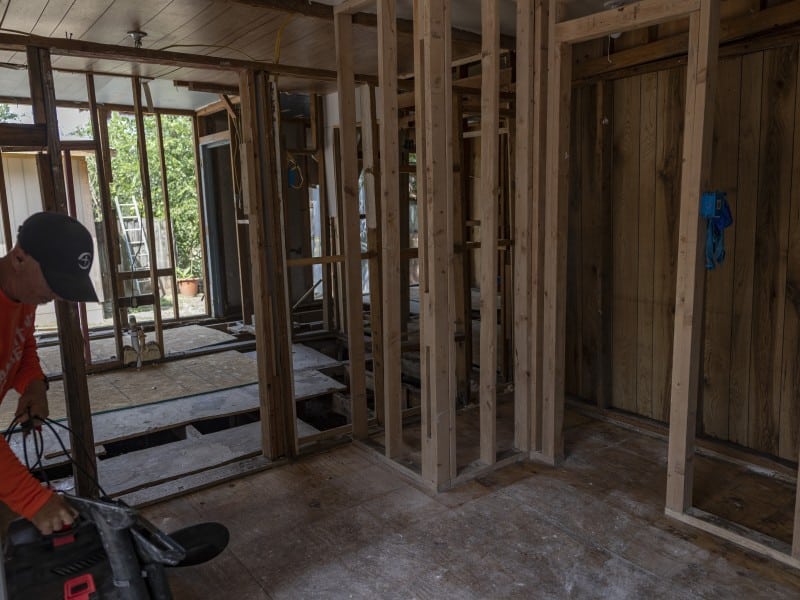
Nearly half of Hill Country flood survivors don’t know if insurance covers their damage, needs assessment finds
A regional survey of more than 1,000 households reveals deep uncertainty about insurance coverage, financial strain, and pre-existing housing problems compounding this year’s flood damage
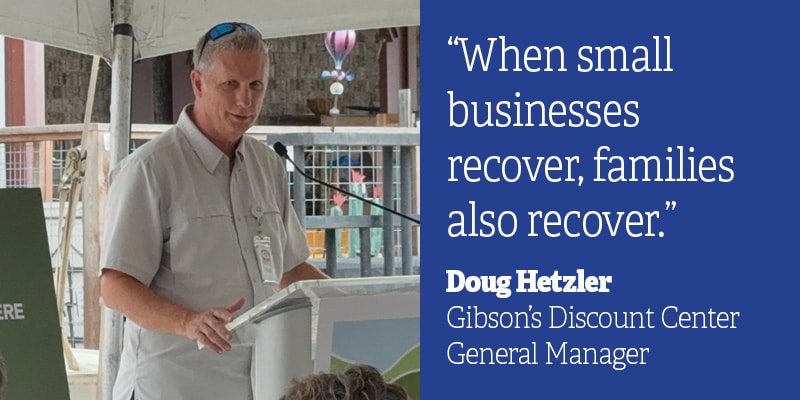
Community Foundation announces $18 million in immediate flood recovery commitments
97% of funding made available through 2025 flood donors who expanded their gift restrictions to cover this year’s disaster; funds split across housing, small business, and household emergency aid
Comments (0)
There are no comments on this article.