
Veterans Assistance Dogs of Texas: Cole weighs 120 pounds and has already saved Will Scott’s life
VADogs — which carries no affiliation with the federal Veterans Administration and receives no government funding — has placed 83 specially trained service dogs with disabled Texas veterans since its founding, entirely through private donations.
When Will Scott has a nightmare, Cole knows before Will does.
The 120-pound service dog sleeps on the floor beside Will’s bed. When the nightmares start — the kind that come from 21 years in the Army, from PTSD, from a traumatic brain injury — Cole climbs up and lies down on top of him. Will does not always wake up. But the nightmares stop.
“Without waking me up, he’ll do that,” Will said Thursday on Lead Live’s Nonprofit Week. “And then I finally just get out of it.”
Will and Cole appeared together during the 8 a.m. segment for Veterans Assistance Dogs of Texas, joined by board member Jerry Ashby and board member Sarah Kocurek — who also serves as executive director of the Hill Country Veterans Center. The segment was one of the most personal of the week.
VADogs — which carries no affiliation with the federal Veterans Administration and receives no government funding — has placed 83 specially trained service dogs with disabled Texas veterans since its founding, entirely through private donations. Ashby has served on the board since 2017. He was recruited by the late Brian Warren, a Vietnam Marine veteran and Purple Heart recipient. Ashby’s own military connections run three generations deep: his son completed 28 years in Special Operations, his grandson nine years in the Navy.
“When you said VA Dogs of Texas, just remember, we have no association with the Veterans Administration,” Ashby said. “We get no money from them, no money from the government.”
Each placement costs approximately $25,000. Dogs are sourced from rescue shelters and trained by veteran instructors at the Hill Country Dog Center in Pipe Creek near Bandera — a facility whose trainers have collectively trained thousands of military and police dogs. Lead trainer Caleb, a Marine veteran, oversees the matching process personally. The pairing is deliberate.
“The veteran wants to have the feel, the spark for that dog,” Ashby said. “So they’re a good team.”
Once paired, veterans complete an intensive six-week course to master the specific commands their dog has been trained to respond to. VADogs covers all veterinary care, surgeries, and travel expenses throughout the process.
Will received Cole nearly four years ago. At the time, he rarely left his house. Cole’s physical assistance is concrete: if Will’s back gives out, Cole retrieves objects from the floor so Will does not have to bend down. If Will falls, he can command Cole to brace — and use the dog’s back like a stable platform to stand. In public, Cole lies under Will’s chair at events and concerts, and redirects Will’s attention the moment he senses agitation.
“He takes my concentration straight to him,” Will said.
Before Cole, Will said simply: “Without him, I’ll probably be cooped up in the house all the time. Not want to get out.”
Kocurek described the transformation she has watched in veterans after placement.
“They go from essentially hobbits inside their homes to they’re back out in the public again,” she said. “They are back out to living their lives again.”
Of Will specifically: “That Will that I met that day is not the Will that’s sitting here. He has, according to his family, gone back to how he used to be.”
The organization currently has 41 approved veterans on its waiting list. Funding is the only constraint.
“We could easily do 16 to 20 a year if we had the money to do that,” Ashby said.
Will and Cole will participate in a veteran suicide prevention hike at Lockhart State Park on Sept. 19. The organization will also appear at the Hats Off to Veterans event in April.
To donate: vadogs.org.
Author

Related Articles

Kathy and Caitlin: a Walmart trip for white towels, 14 years, and a first-generation Texas A&M graduate
Hall, Caitlin, and board member Jeannie Wanhainen appeared Thursday to represent a program whose local waitlist has grown to 40 children — with an urgent specific shortage: men.
Texas Hill Country Nurses Honor Guard releases nurses from their pledge — at bedside or at the graveside, always free
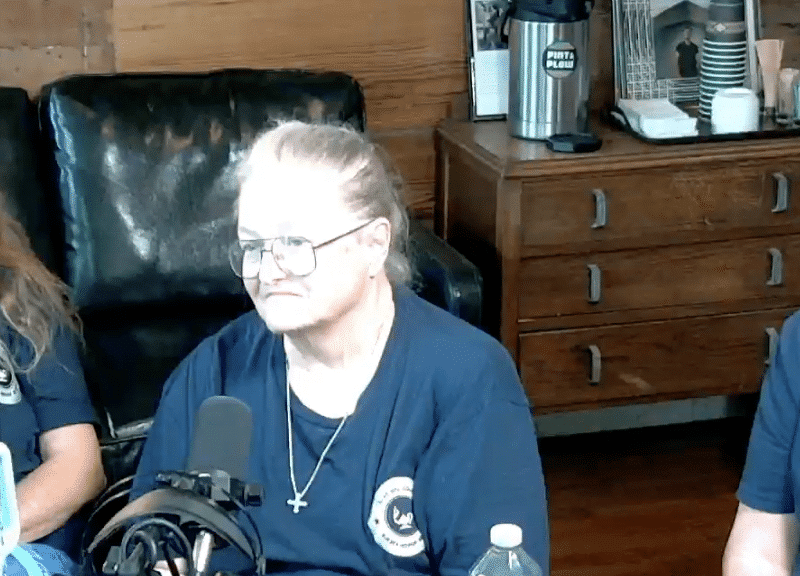
The Nightingale Pledge — named for Florence Nightingale, the founder of modern nursing — is a professional and moral commitment that nurses carry for the rest of their careers. It is not a document they sign and file. It becomes part of who they are.
Kerr County Cares Foundation: 600 deliveries in 10 months, a volunteer’s garage, and an Ingram woman who grabbed a stranger’s hand and cried
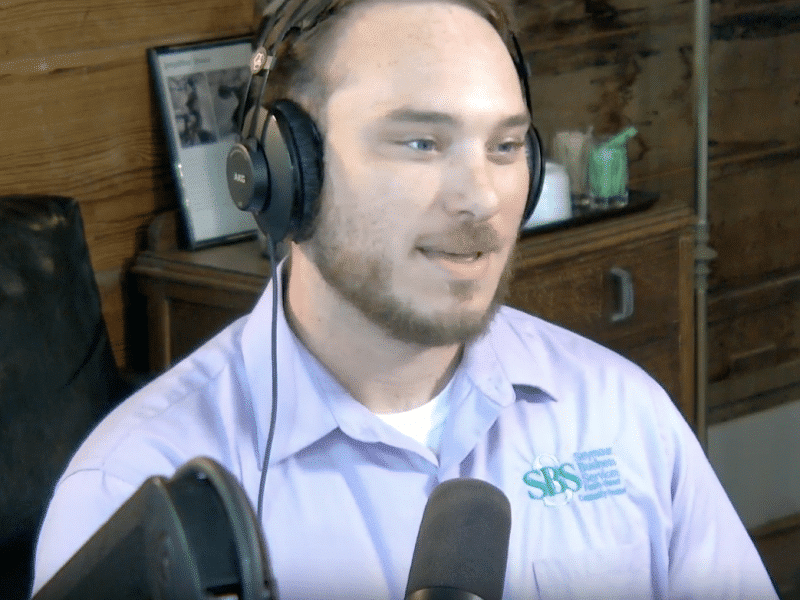
“Just the matter of handing them a simple bag of groceries helped them get to a point where they felt like they could make it to the next,” he said.
Comments (0)
There are no comments on this article.