
GliaConnect: the Kerrville nonprofit fighting a disease that 2.1 million people may carry without knowing it
Sullivan founded GliaConnect after her mother’s death in order to preserve patient advocacy momentum. Her family has been devastated by the disease across multiple generations — though she tested negative herself in 2023.
Only 775 people worldwide have been officially diagnosed with the diseases Erin Sullivan’s organization was built to fight. But UK Biobank data suggests the actual number of people carrying disease-causing genetic variants may be closer to 2.1 million.
GliaConnect, headquartered in Kerrville, supports patients, families, and caregivers navigating microgliopathies — a cluster of rare, genetic, and progressive neurological diseases caused when defective genes disrupt microglia, the brain’s immune cells. The disruption triggers rapid neurodegeneration in adulthood. The three primary diseases are ALSP (Adult-onset Leukoencephalopathy with Axonal Spheroids and Pigmented Glia), Bandos, and Nasu-Hakola.
Sullivan founded GliaConnect after her mother’s death in order to preserve patient advocacy momentum. Her family has been devastated by the disease across multiple generations — though she tested negative herself in 2023.
The diseases are notorious for misdiagnosis. Symptoms — cognitive decline, severe psychiatric episodes including depression and apathy, seizures, and motor deterioration — closely mimic early-onset Alzheimer’s, Parkinson’s, multiple sclerosis, and frontotemporal dementia. Every patient eventually becomes mute and bedbound.
ALSP specifically follows autosomal dominant inheritance: only one mutated copy of the CSF1R gene from either parent is required. The result is a 50/50 chance of passing the disease to children, with no generation skipping.
“It is an absolutely vital question and it’s why these diseases are so highly misdiagnosed and underdiagnosed,” Sullivan said.
The organization operates in 35 countries. Its shirts feature artwork by Caitlin, a 22-year-old Bandos patient, depicting a brain scan flanked by two zebras — the universal symbol for rare diseases, drawn from the medical aphorism: when you hear hoofbeats, think zebras, not horses.
GliaConnect’s most urgent local need is awareness among Hill Country clinicians — primary care physicians, neurologists, physical therapists, and speech pathologists — who may encounter patients presenting with these symptoms.
“We are determined to make sure that no one walks this journey alone,” Sullivan said.
To donate or learn more: gliaconnect.org.
Author
Related Articles
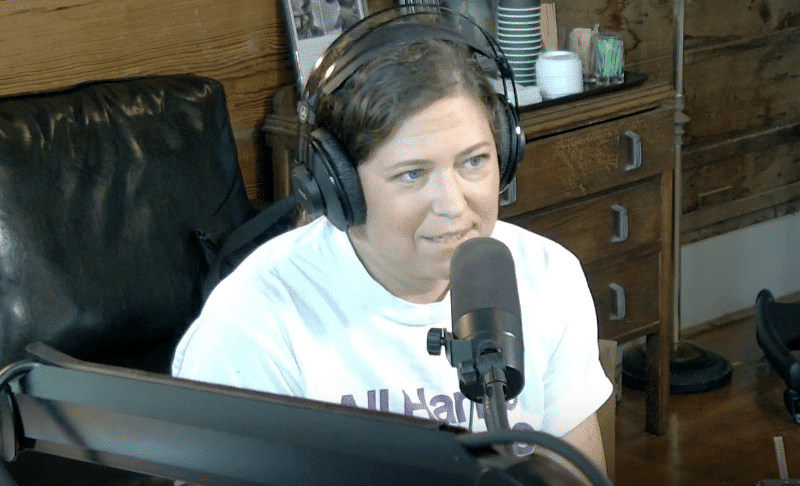
All Hands and Hearts: ‘Flash flooding typically doesn’t go for 20 miles’
The organization is working in close collaboration with Texas State University and San Antonio regional VOAD — Voluntary Organizations Active in Disasters — networks to develop and share mitigation education more broadly.
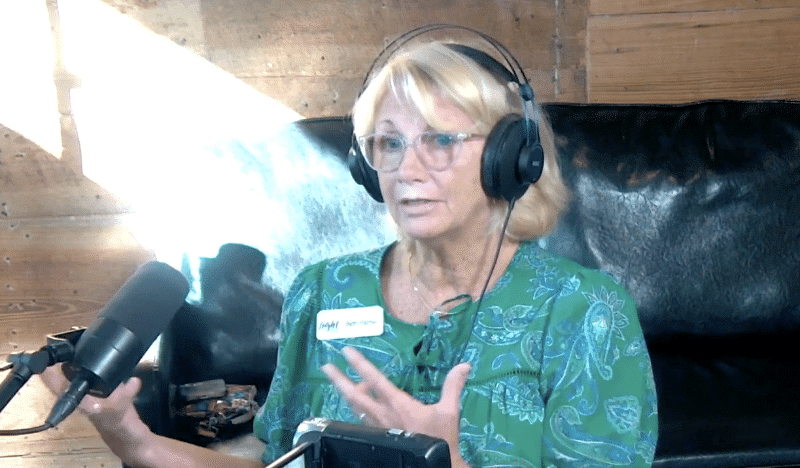
Light on the Hill: 469 households reached, 200 more this week, and a food pantry Monday morning
Palmer appeared as the opening guest of Nonprofit Week’s final day to describe an organization that has been in continuous disaster response mode since July 4, 2025 — and is, by her own honest assessment, running a marathon with no finish line in sight.
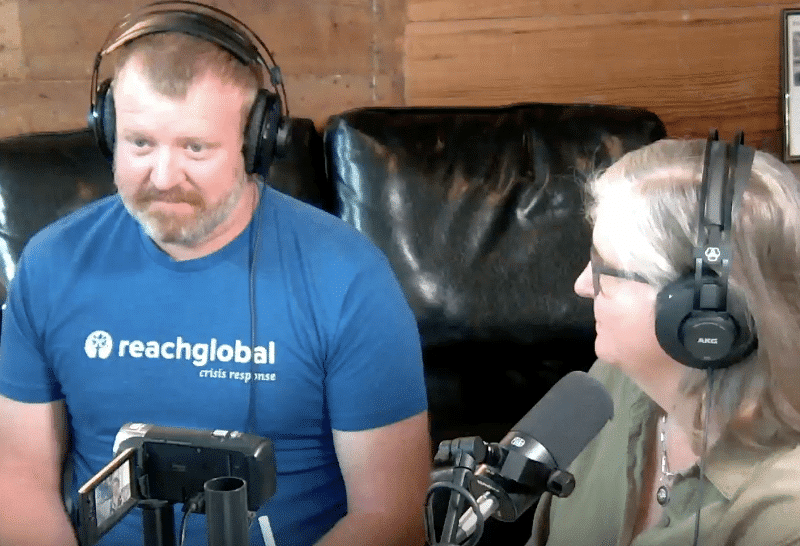
Reach Global: ‘People over projects’ — and a daughter born in a baptistry at the peak of the flood
Reach Global Crisis Response was founded by Mark Lewis during Hurricane Katrina after he observed something most disaster relief organizations miss: survivors often experience their deepest emotional trauma not during the disaster but after — when the crews leave, the house goes quiet, and the weight of what happened finally lands. The organization’s entire model is built to address that gap.
Comments (0)
There are no comments on this article.