
Nearly half of Hill Country flood survivors don’t know if insurance covers their damage, needs assessment finds
A regional survey of more than 1,000 households reveals deep uncertainty about insurance coverage, financial strain, and pre-existing housing problems compounding this year’s flood damage
As Kerr County and surrounding communities continue assessing the damage from this month’s flooding, a new regional needs assessment is surfacing a less visible crisis: widespread uncertainty about whether survivors’ insurance will cover their losses at all.
The 2026 Hill Country Flood Needs Assessment, conducted by Rebuild Kerr and published on Tableau Public, surveyed more than 1,060 households across the region in the weeks following the July 16 flood. The results paint a picture of a community facing not just physical damage, but deep financial precarity and confusion about the recovery process ahead.
“I don’t know” is the most common answer on insurance
The starkest finding in the data centers on insurance. When asked whether they know if their insurance covers their flood damages, only 17 households — less than 2% of respondents — said yes with confidence. Nearly half, 478 households, said no. Another 258 said they weren’t sure, and 307 didn’t answer the question at all.
Put together, roughly three-quarters of respondents either don’t know or aren’t confident whether their losses are covered.
Part of the explanation shows up in what kind of insurance households actually carry. Of respondents reporting insurance types, 513 households have homeowner’s insurance — but only 52 specifically carry flood insurance. That gap matters: standard homeowner’s policies typically exclude flood damage entirely, meaning a large share of the 513 households with “insurance” may still find themselves uncovered for the exact disaster that hit them. A separate 160 households reported having no insurance of any kind.
Even among those who might have coverage, the assessment suggests many would struggle to access it. Only 175 households — 17% — said they could confidently pay their insurance deductible if needed. 196 said no, 195 weren’t sure, and nearly half, 494 households, didn’t answer the question.
Housing types with less protection
While more than three-quarters of respondents, 76.8%, live in single-family homes, a meaningful share live in housing types that are often more vulnerable to flood damage and more complicated to insure or rebuild: 10.6% live in manufactured homes, and 4.8% in RVs. Together, that’s roughly 1 in 7 respondents living in housing that frequently falls outside the assumptions built into standard insurance products and, in some cases, faces additional hurdles in FEMA’s assistance formulas.
Financial strain runs beneath the surface
Household income data reinforces the picture of financial vulnerability. Among respondents who answered the income question, roughly 37% reported household income under $50,000 a year. A significant share — nearly 36% combined — either preferred not to disclose their income or didn’t answer at all, making the full financial picture somewhat harder to see, though the pattern among those who did answer skews toward households with limited financial cushion for a disaster of this scale.
More than a third of respondent households, 36.4%, include children — meaning the financial and housing strain captured in this data is not abstract; it’s landing on families raising kids in the middle of recovery.
Damage on top of damage
The assessment also asked households about damage that existed before the flood. Nearly 60% of respondents reported at least one pre-existing issue — most commonly flooring problems (11.3% of all respondents), followed by sheetrock or insulation issues (8.5%) and foundation problems (7.7%).
That distinction is more than academic. Pre-existing damage frequently becomes a point of dispute in insurance claims and FEMA damage assessments, where adjusters and inspectors must determine what damage was caused by the flood itself versus what existed beforehand — a process that can slow down or reduce the assistance a household ultimately receives.
Where respondents live
The assessment drew responses from across the wider region, not just Kerrville proper. Of the 1,060 households captured in the underlying dataset, 718 were in Kerrville, 160 in Ingram, 48 in Center Point, 39 in Comfort, 27 in Hunt, and 24 in Uvalde, with smaller numbers from Boerne, Fredericksburg, and other surrounding communities — reflecting the flood’s reach well beyond Kerr County’s borders.
Ninety-six percent of respondents reported English as their primary language at home, with 4% reporting Spanish and a small number reporting Vietnamese — data that matters for how recovery organizations design outreach and translated materials going forward.
Why this matters
Taken together, the assessment adds hard numbers to a concern already voiced by recovery officials this month: that documentation, insurance status, and financial capacity vary enormously across the flood-affected population, and that the neediest households may also be the ones with the least clarity about what help they’re entitled to. As Kerr Together and the Community Foundation of the Texas Hill Country continue distributing recovery funding, and as the county awaits a federal Major Disaster Declaration that would unlock further individual assistance, this data suggests a substantial share of survivors will need direct, one-on-one help simply to understand their own coverage before they can begin to rebuild.
Author

Related Articles
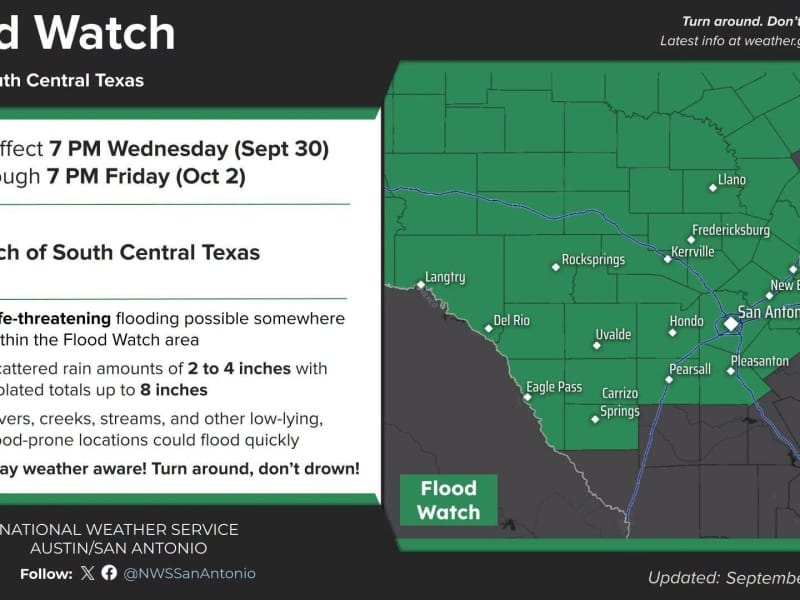
Flood Watch issued for Kerr County; state stages medical teams, National Guard vehicles in Kerrville
The watch, issued Tuesday morning by the NWS Austin/San Antonio office, covers 28 counties, including Kerr, Bandera, Gillespie, Kendall, Real and Edwards. Forecasters expect rainfall totals of 2 to 4 inches from Wednesday evening through Friday, with isolated amounts up to 8 inches. Kerrville is among the cities the NWS lists as likely to see flooding.
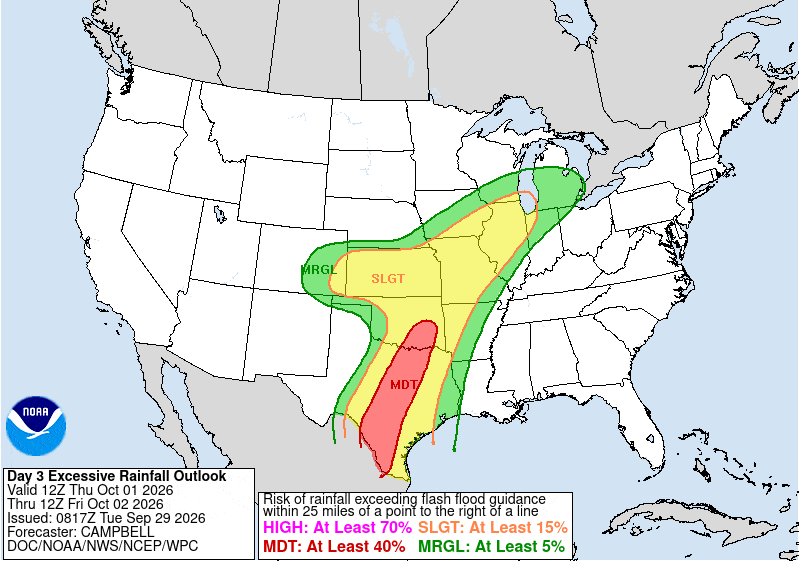
Forecasters: Up to 8 inches of rain possible in Hill Country as flood threat builds for Thursday
In its overnight forecast discussion, the NWS Austin/San Antonio office said widespread rainfall of 2 to 4 inches is possible Thursday into Friday, with local amounts up to 8 inches. Forecasters said models favor Thursday, Thursday night and early Friday morning for the highest totals.
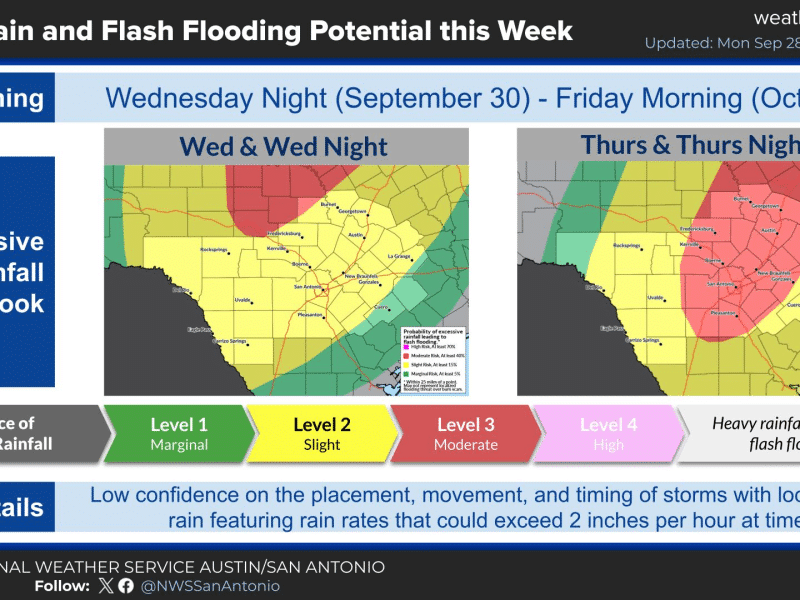
Forecasters raise flash flood concerns for Wednesday night into Thursday
“Given the setup of deep moisture, a strong upper low and frontal boundary, this seems very reasonable,” forecasters wrote.
Comments (0)
There are no comments on this article.