
Playhouse 2000’s new director inherits a 30-year institution — and a fly rail that still runs on ropes
"Art is meant to teach and delight," she said. "And so some things delight and some things teach and some things do both. You need a balance."
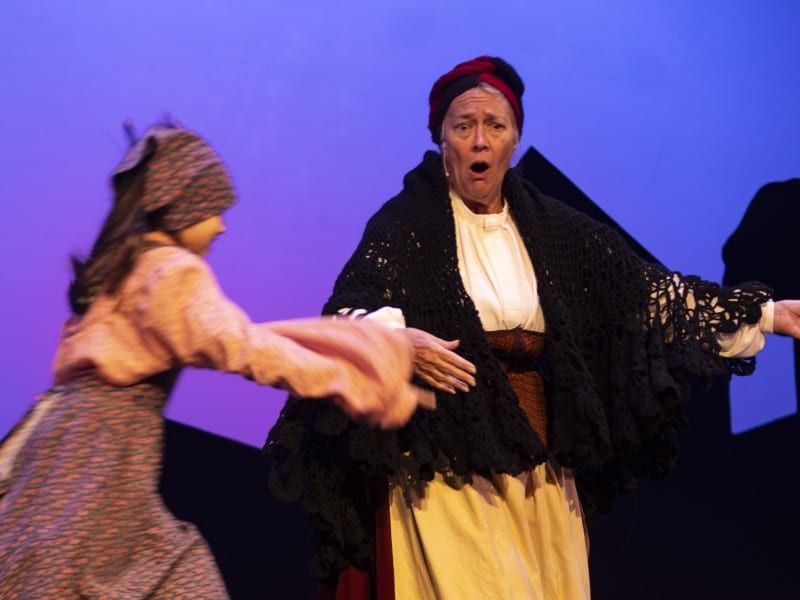
"Art is meant to teach and delight," she said. "And so some things delight and some things teach and some things do both. You need a balance."

The Hill Country Crisis Council, incorporated in April 1984, operates what Ives describes as a genuinely rare structure for a rural territory: three distinct programs under a single nonprofit umbrella, serving Kerr, Kendall, Kimble, Bandera, Gillespie, and Mason counties.
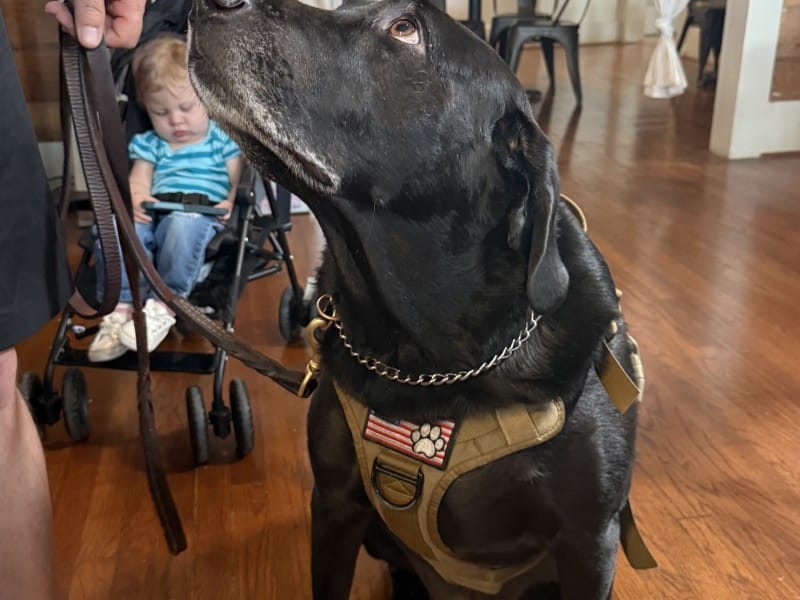
VADogs — which carries no affiliation with the federal Veterans Administration and receives no government funding — has placed 83 specially trained service dogs with disabled Texas veterans since its founding, entirely through private donations.

The Texas Transplant Network, which Pendergraft founded and which received its 501(c)(3) designation in May 2025, addresses a specific financial barrier: the donor's costs.
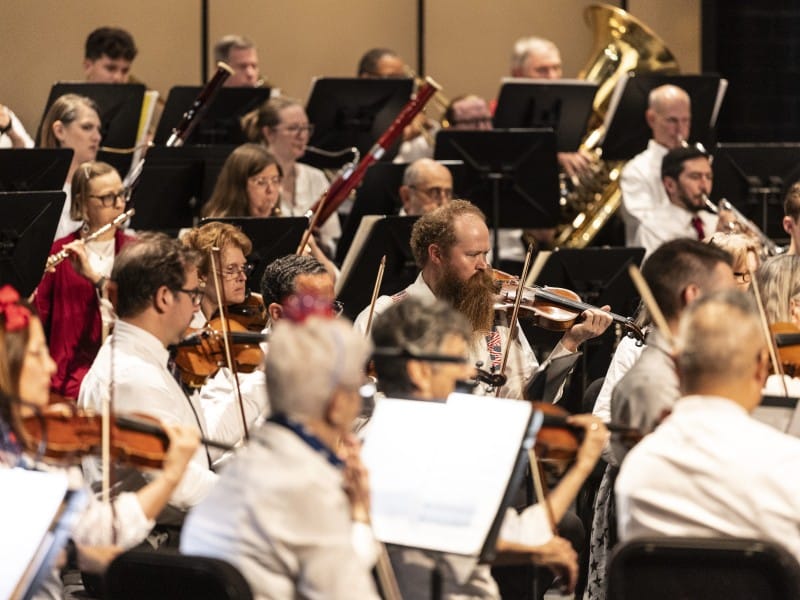
Dowdy, the orchestra's conductor and artistic director, appeared alongside Board President Tim Summerlin to discuss a season that is both one of the symphony's most programmatically ambitious in its 26-year history.
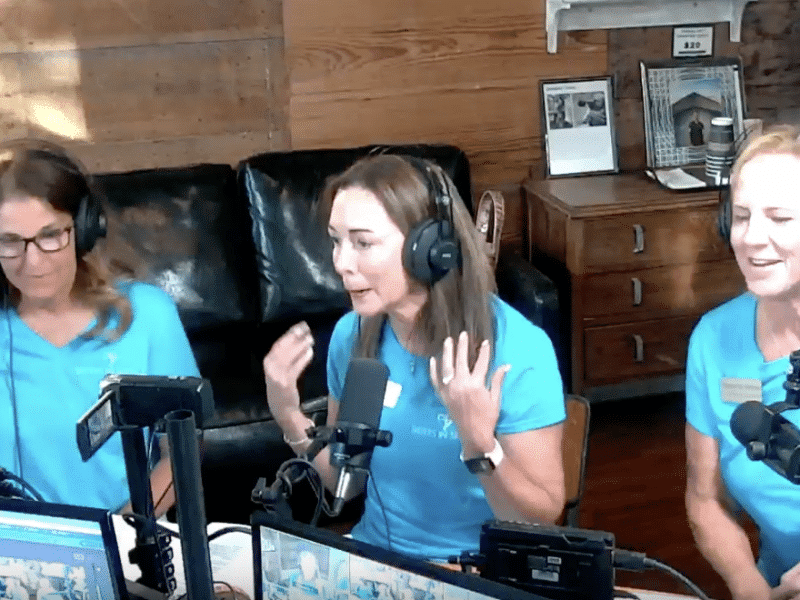
Sisters in Service began as a Bible study. It evolved into something harder to categorize — a logistics operation embedded in the Hill Country's nonprofit network, deploying volunteers and resources wherever the gap opens.
The organization's Demonstration Garden at the AgriLife center showcases deer-resistant native plants that perform in the Hill Country's specific conditions — a living reference library for homeowners, ranchers, and land managers. The First Wednesday public speaker series brings horticultural expertise to the public at no cost.
The organization operates four mobile vans that bring mental health services directly to rural communities — including Rocksprings and Hunt — that have no local provider access.
When a person can no longer drive — whether because of age, disability, or medical condition — they do not simply lose a convenience. They lose access to their doctor, their pharmacy, their grocery store, their family. In rural Texas, where there is no bus network and taxis are sparse, that loss is total.

"The river is our identity," Walther said. "Its health is directly tied to the local economy, the local culture, and who we are as a place."